Tourist attractions in the area:
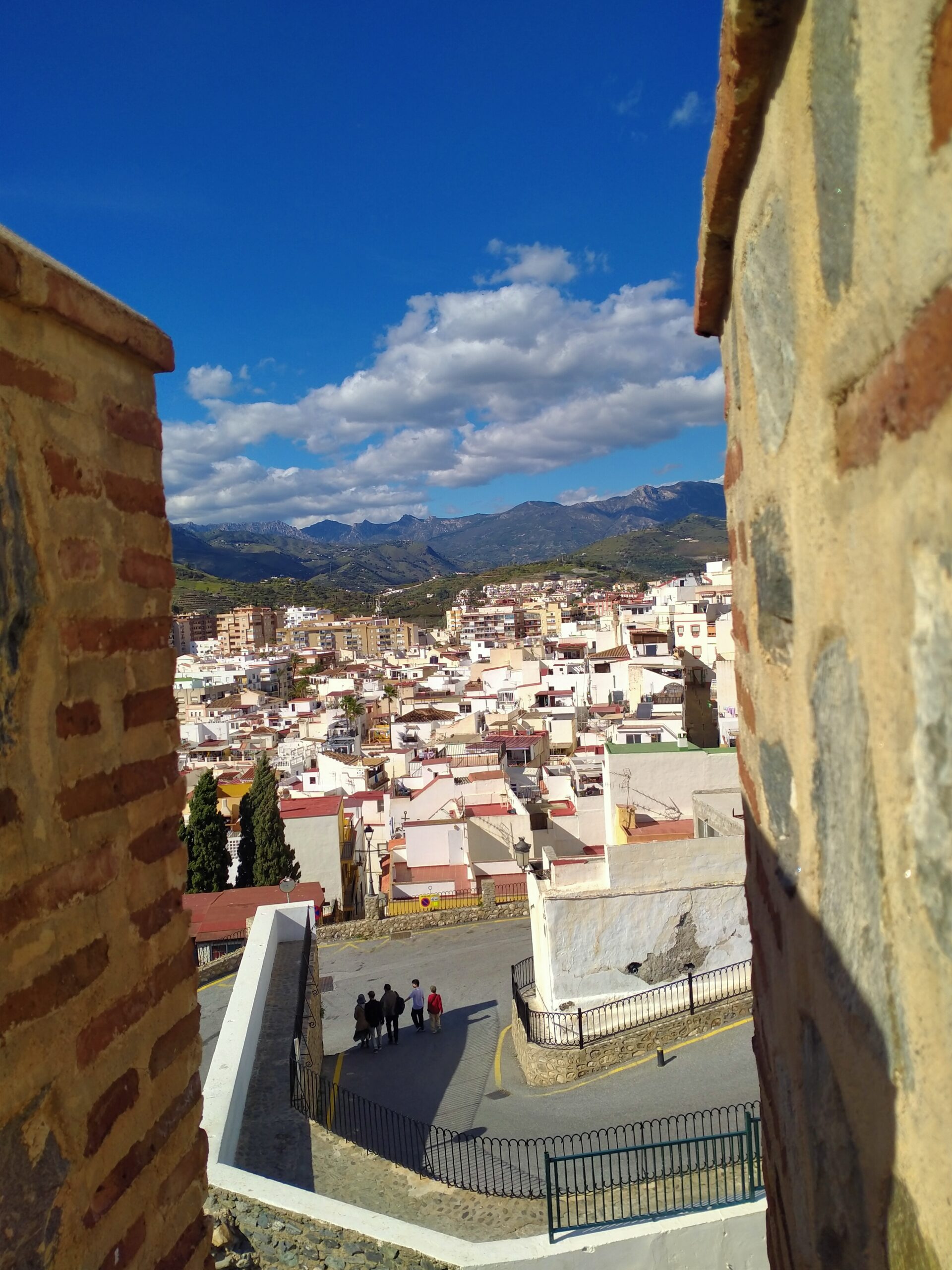
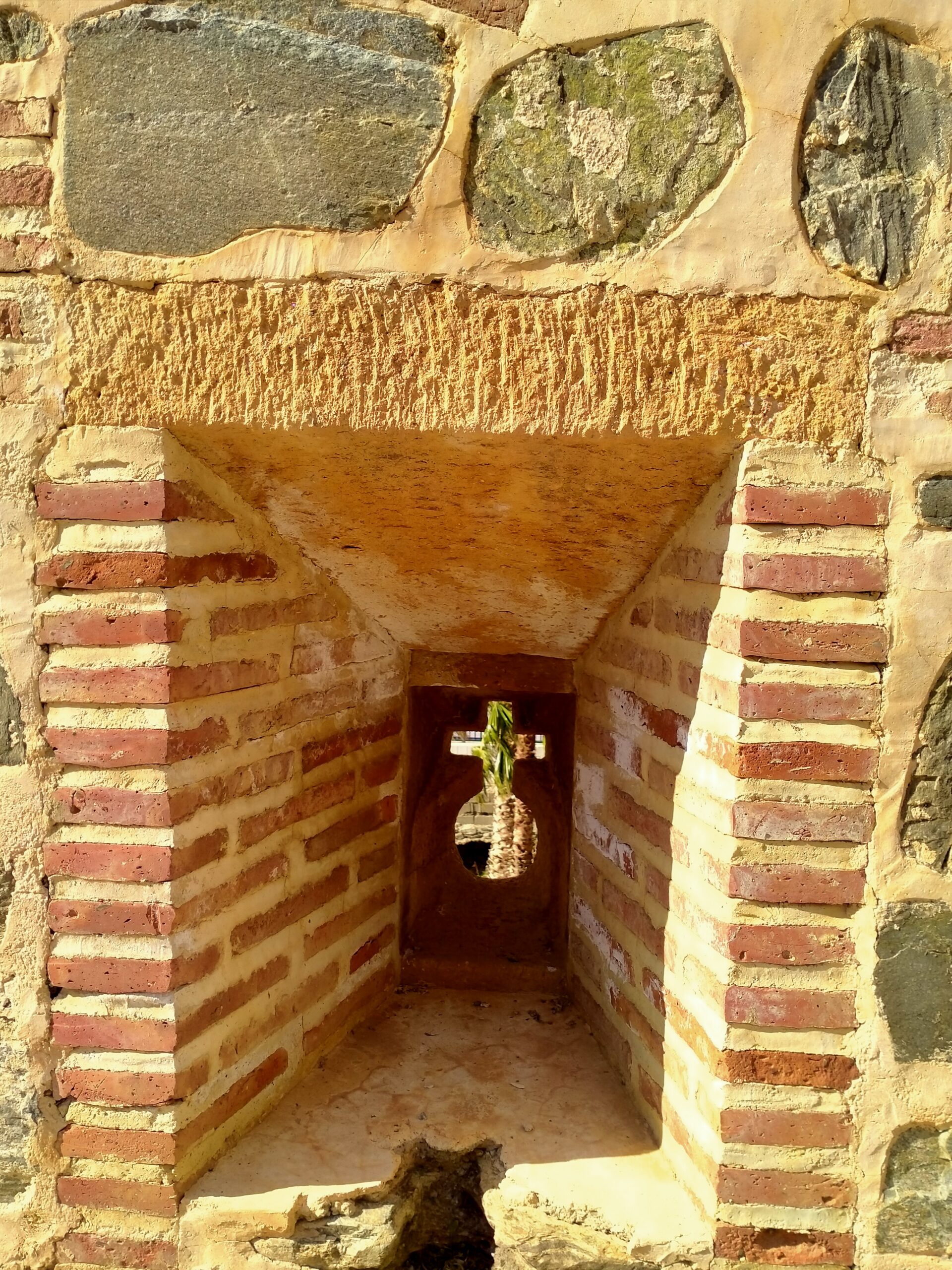
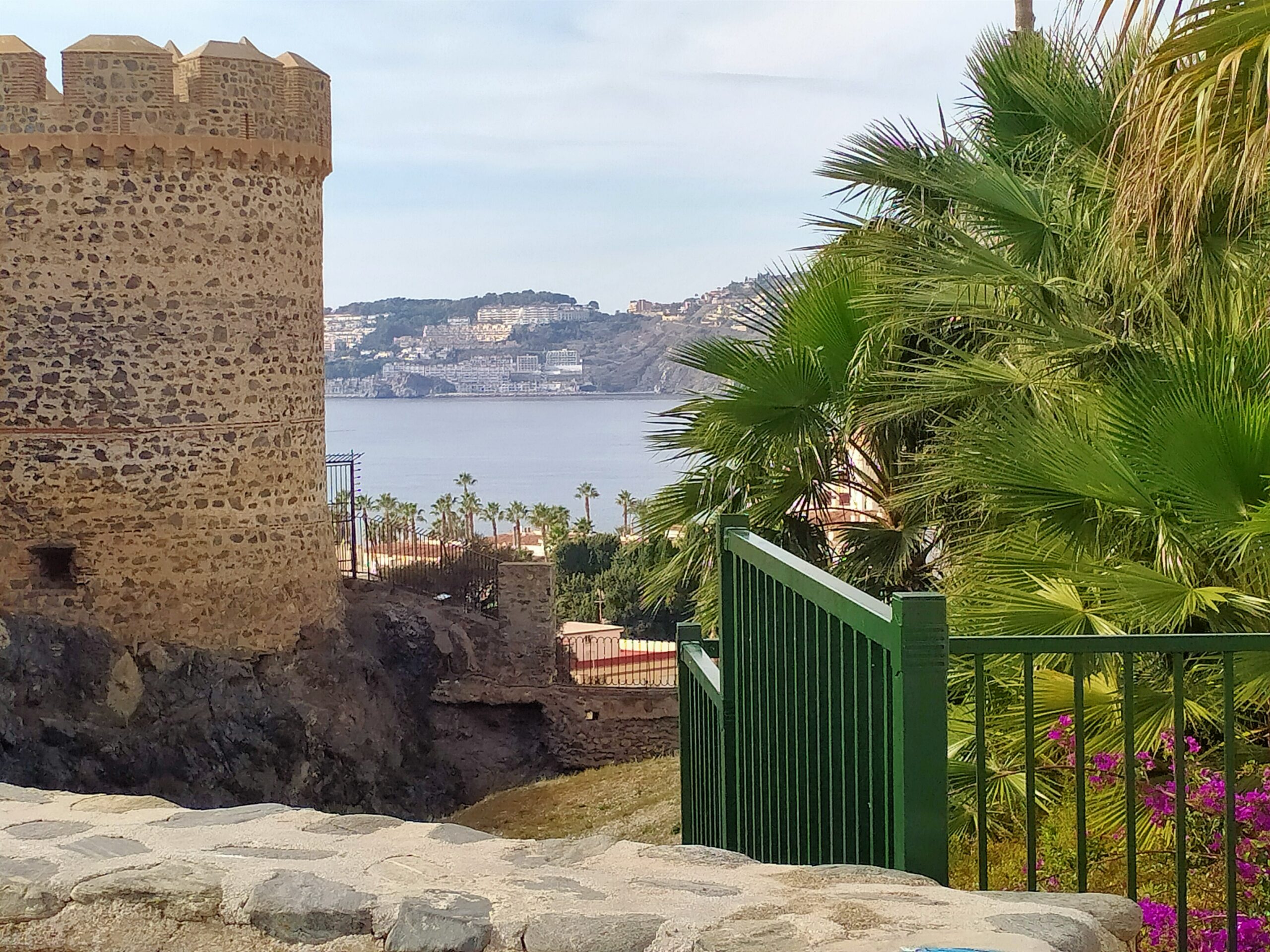
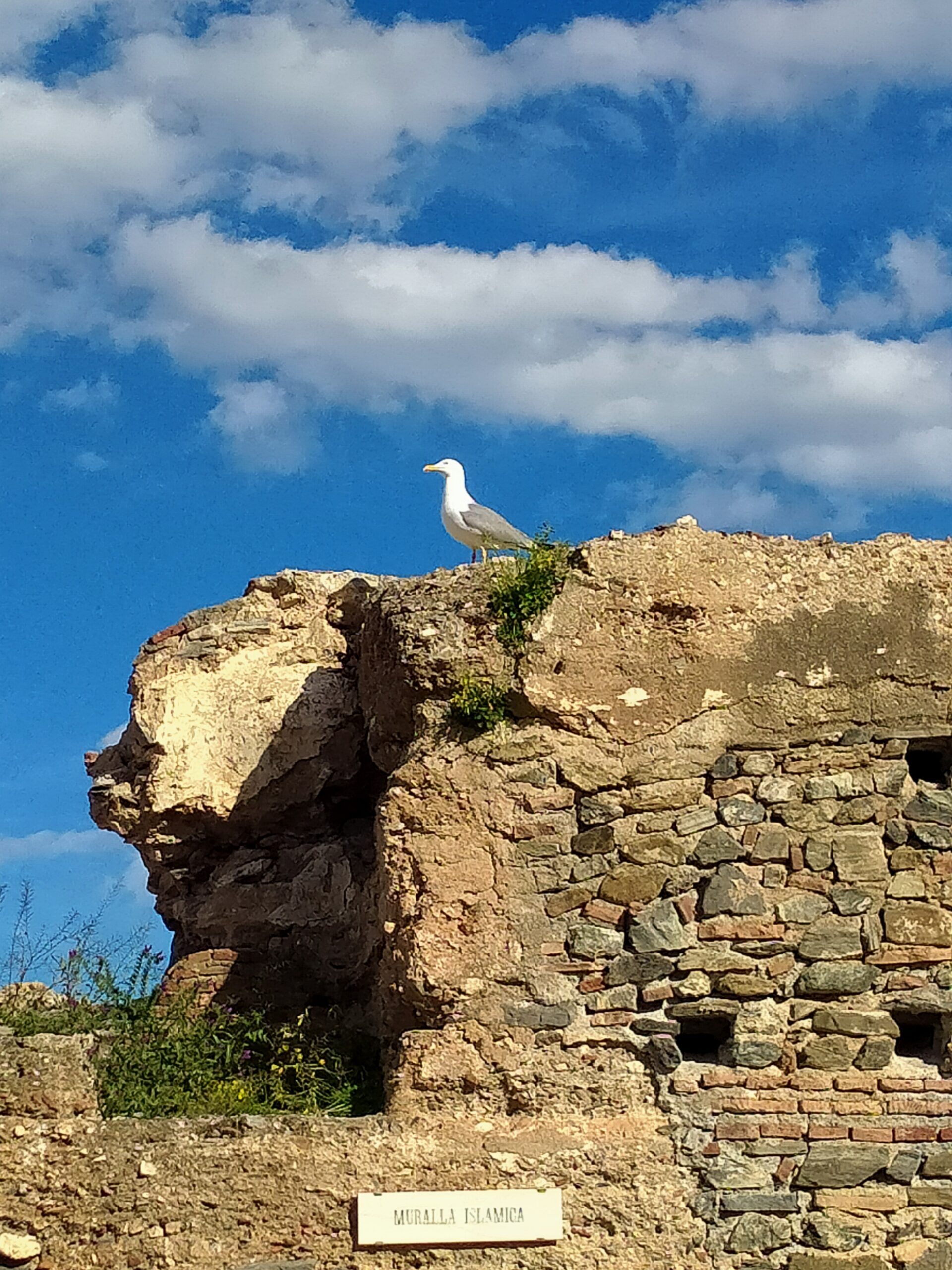
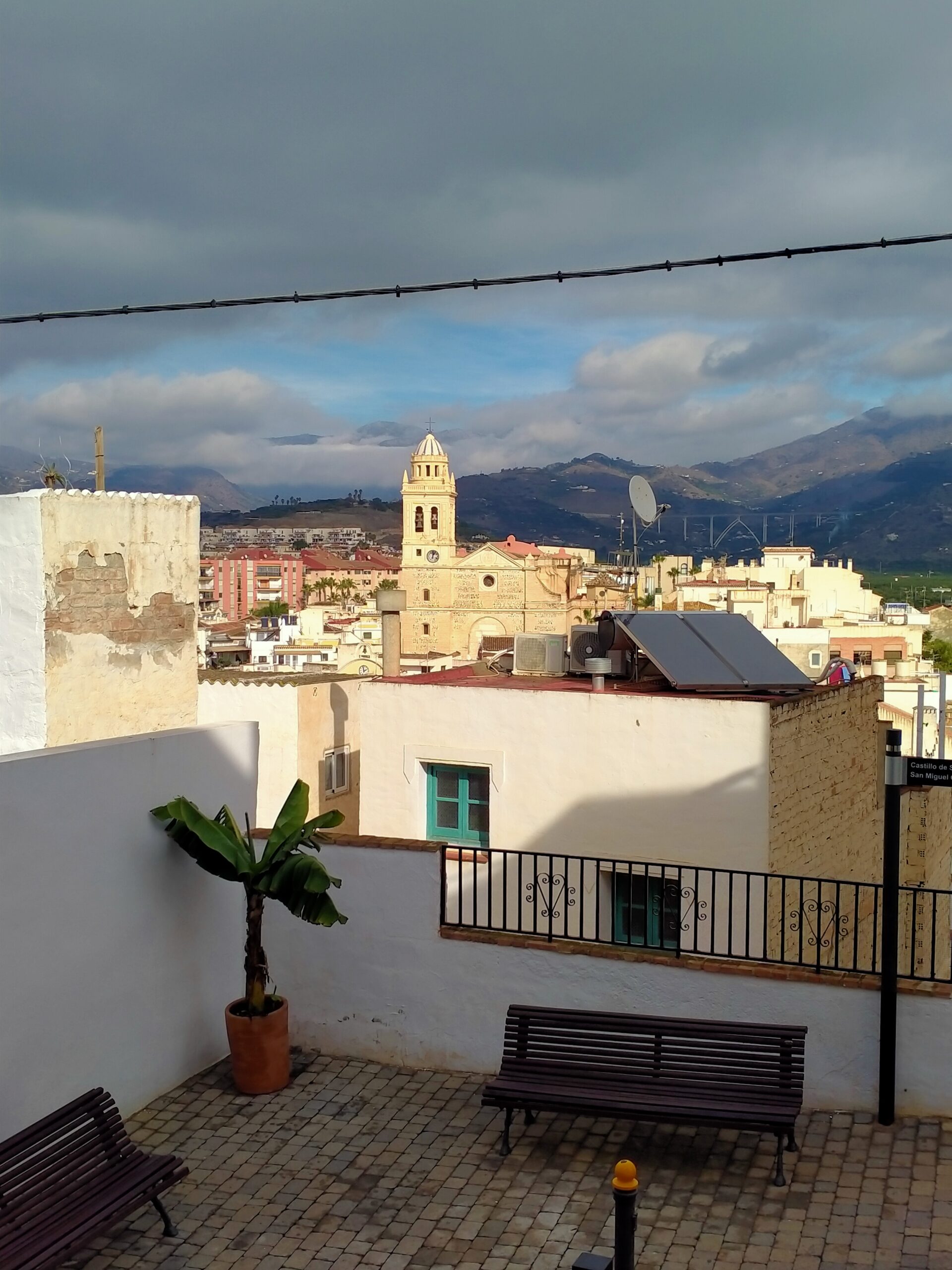
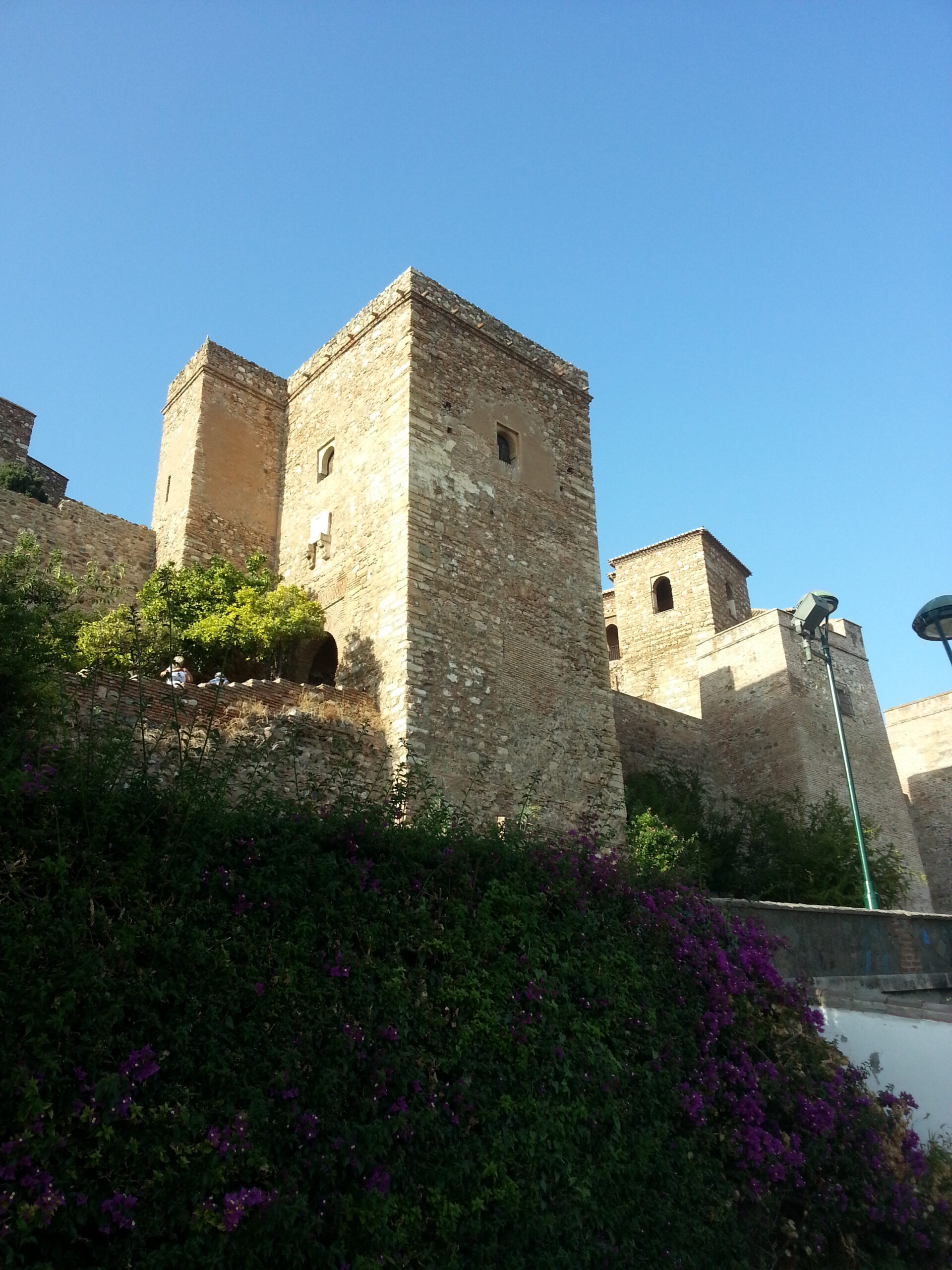
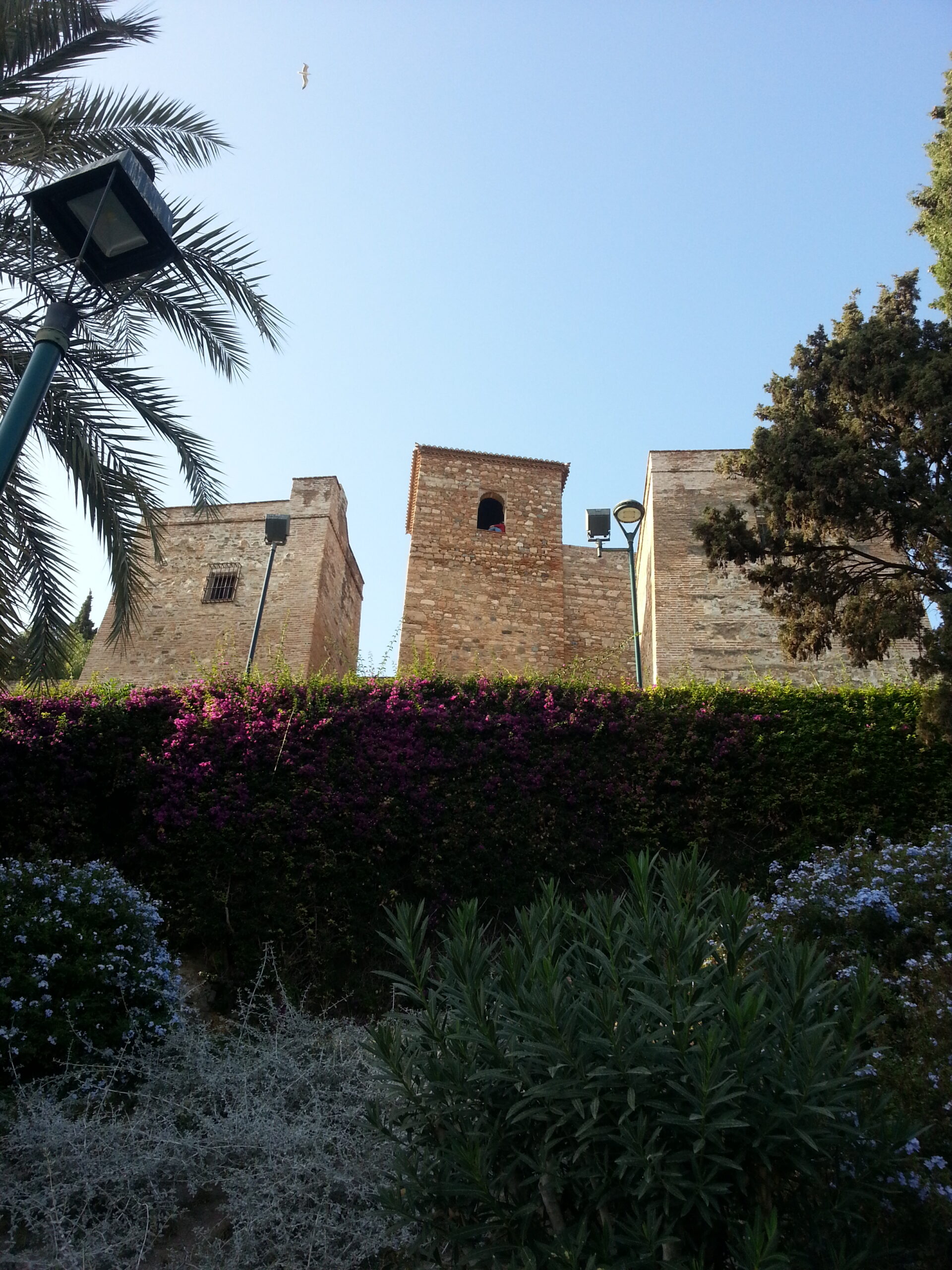
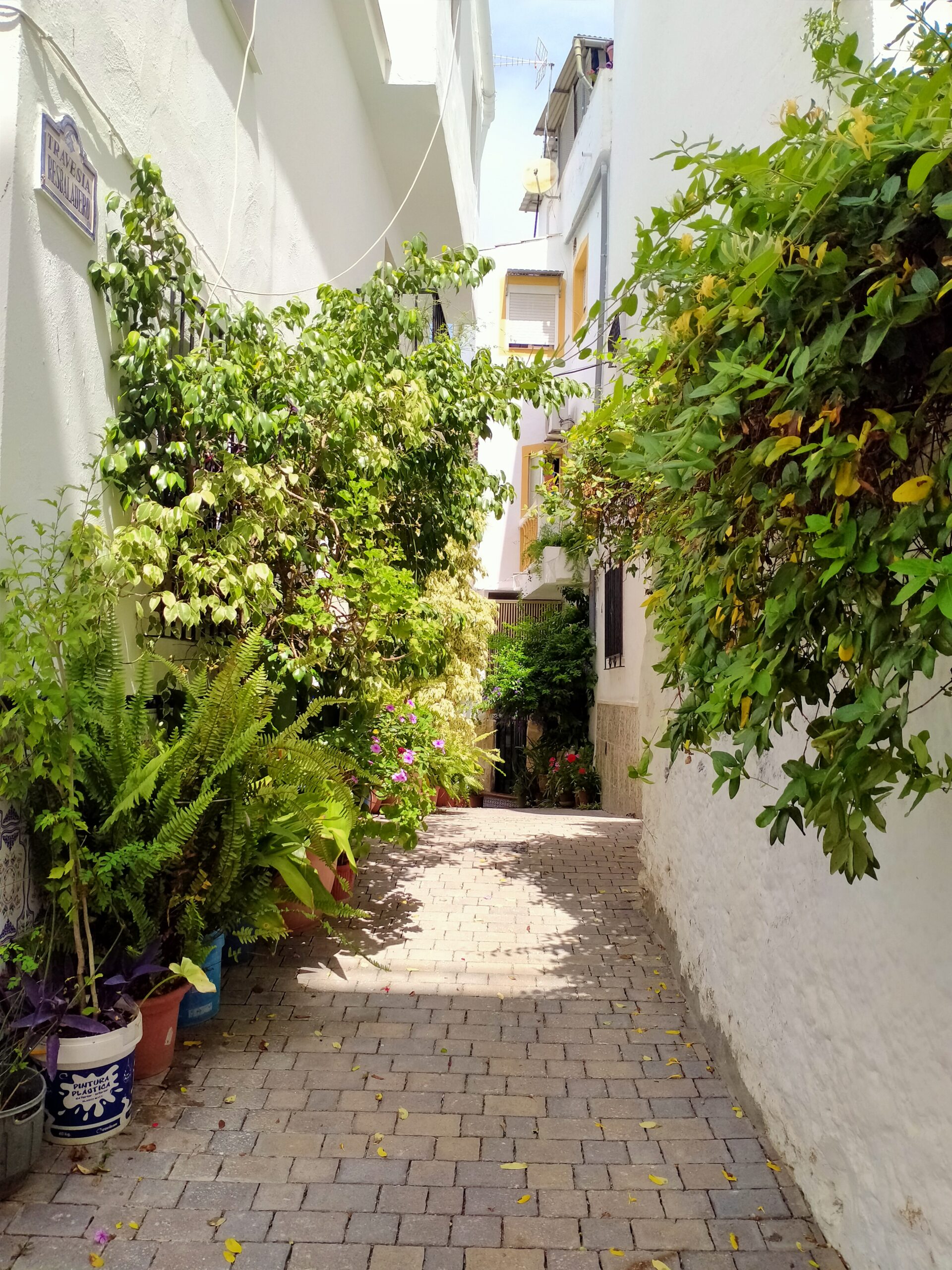
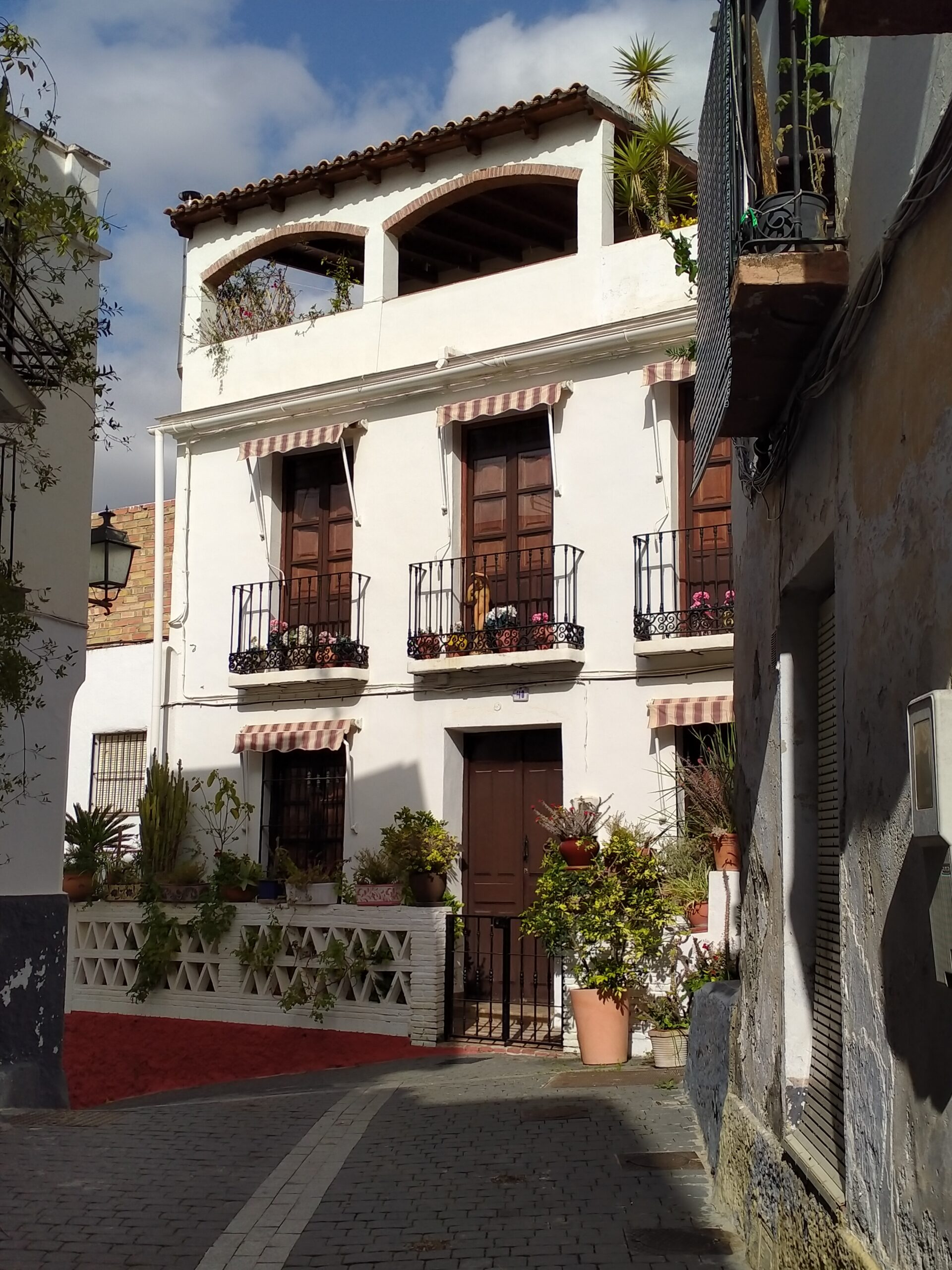
- Castillo de San Miguel: originally a Muslim fortress, a castle situated on a hill with a magnificent views of the city and the sea. Surrounded by the oldest city district, with typical white houses and winding streets.
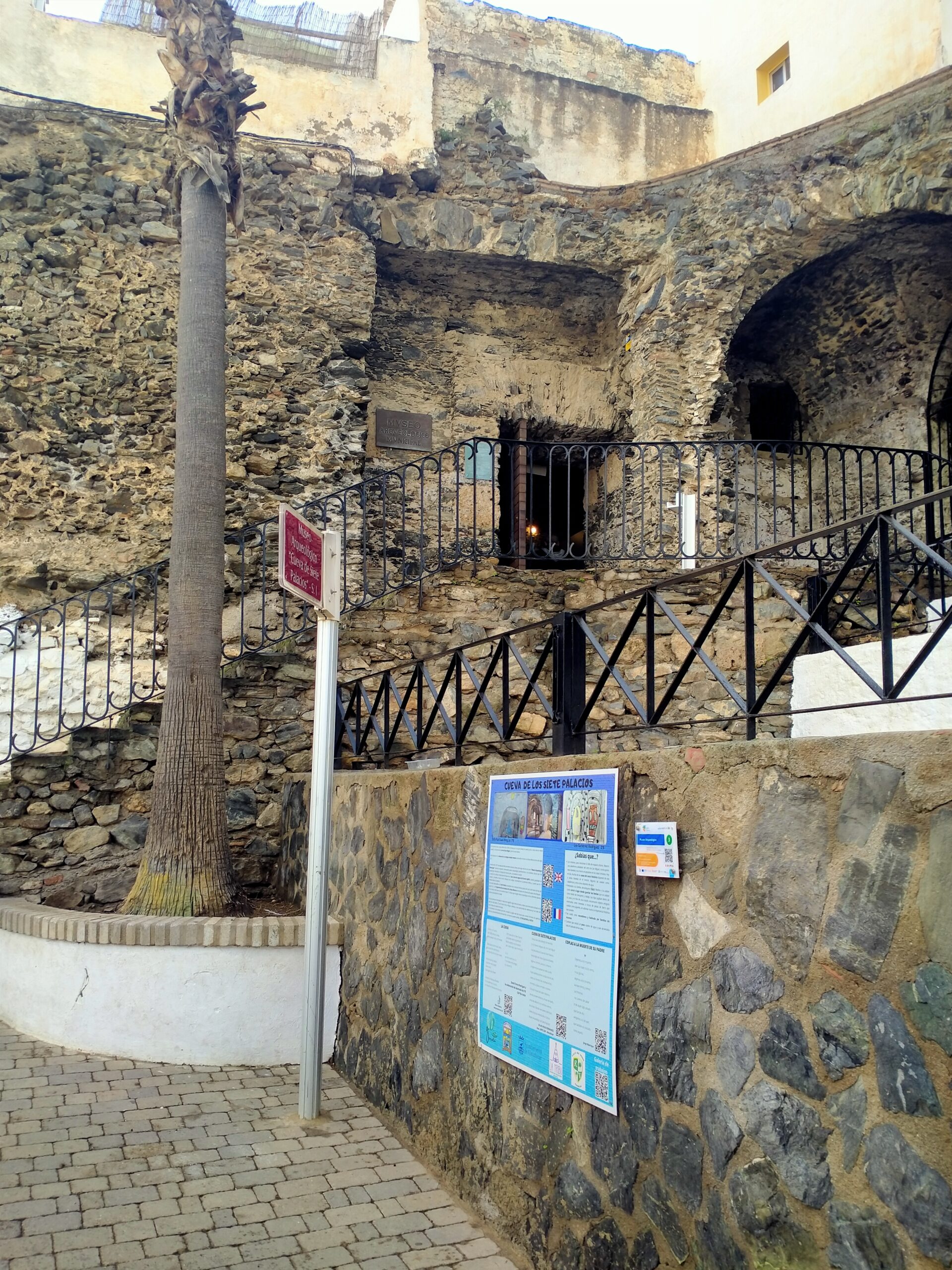
- Cueva de Siete Palacios: caves that bear traces of Phoenicians and Romans, now the Archaeological Museum.
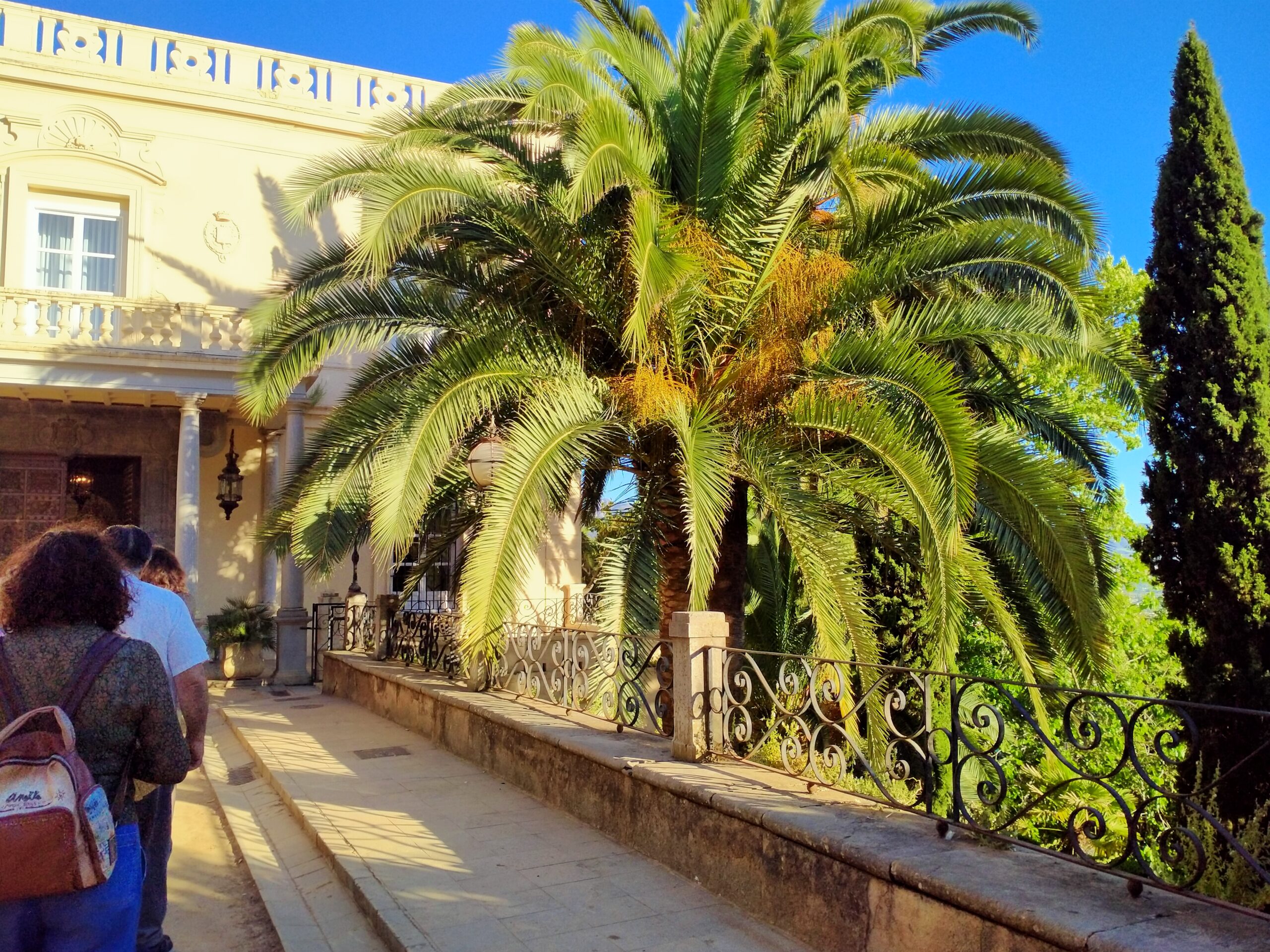
- Palacete de la Najarra: a neo-Arabic building with an Andalusian garden, houses Municipal Tourism Office,
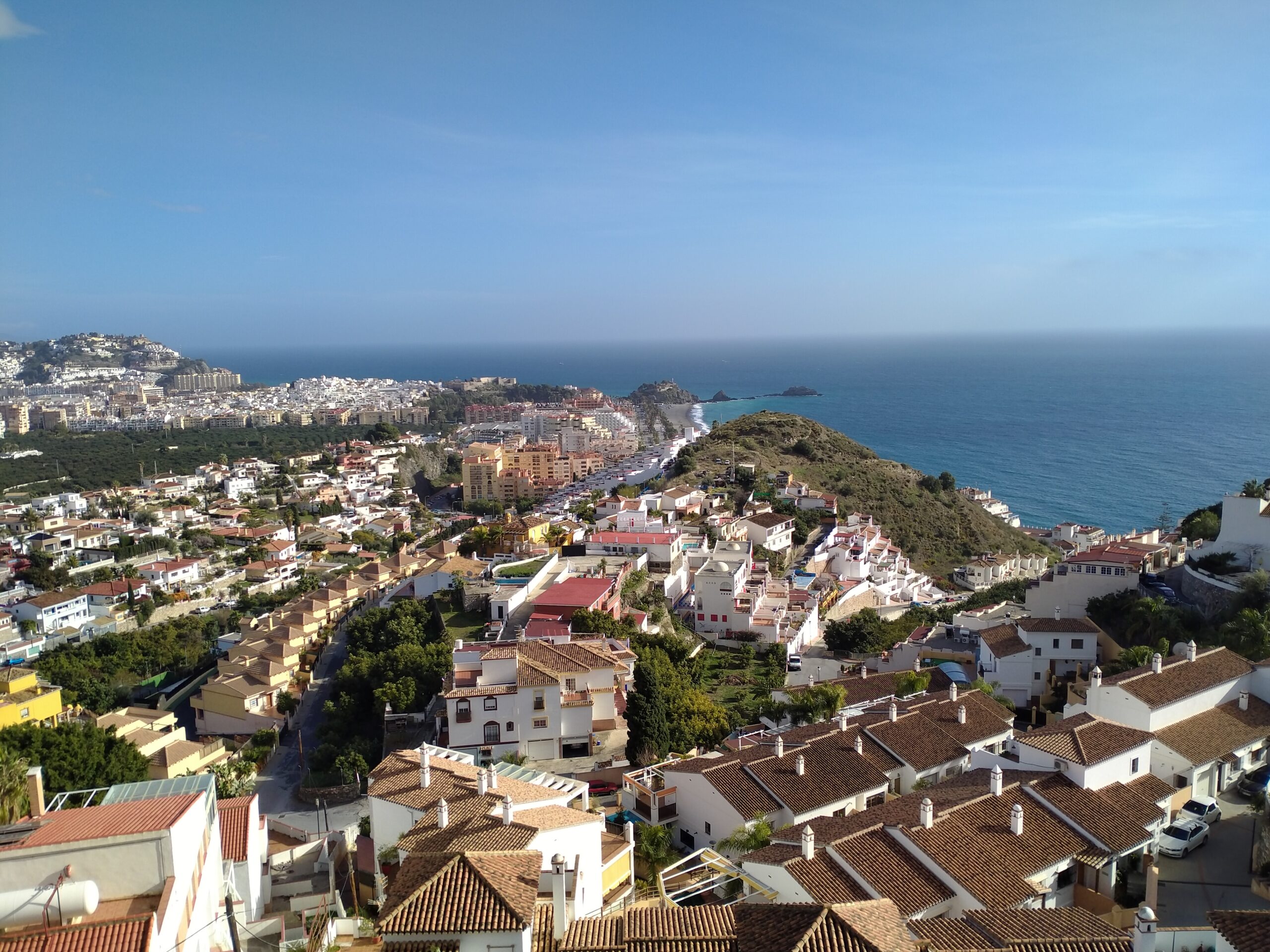
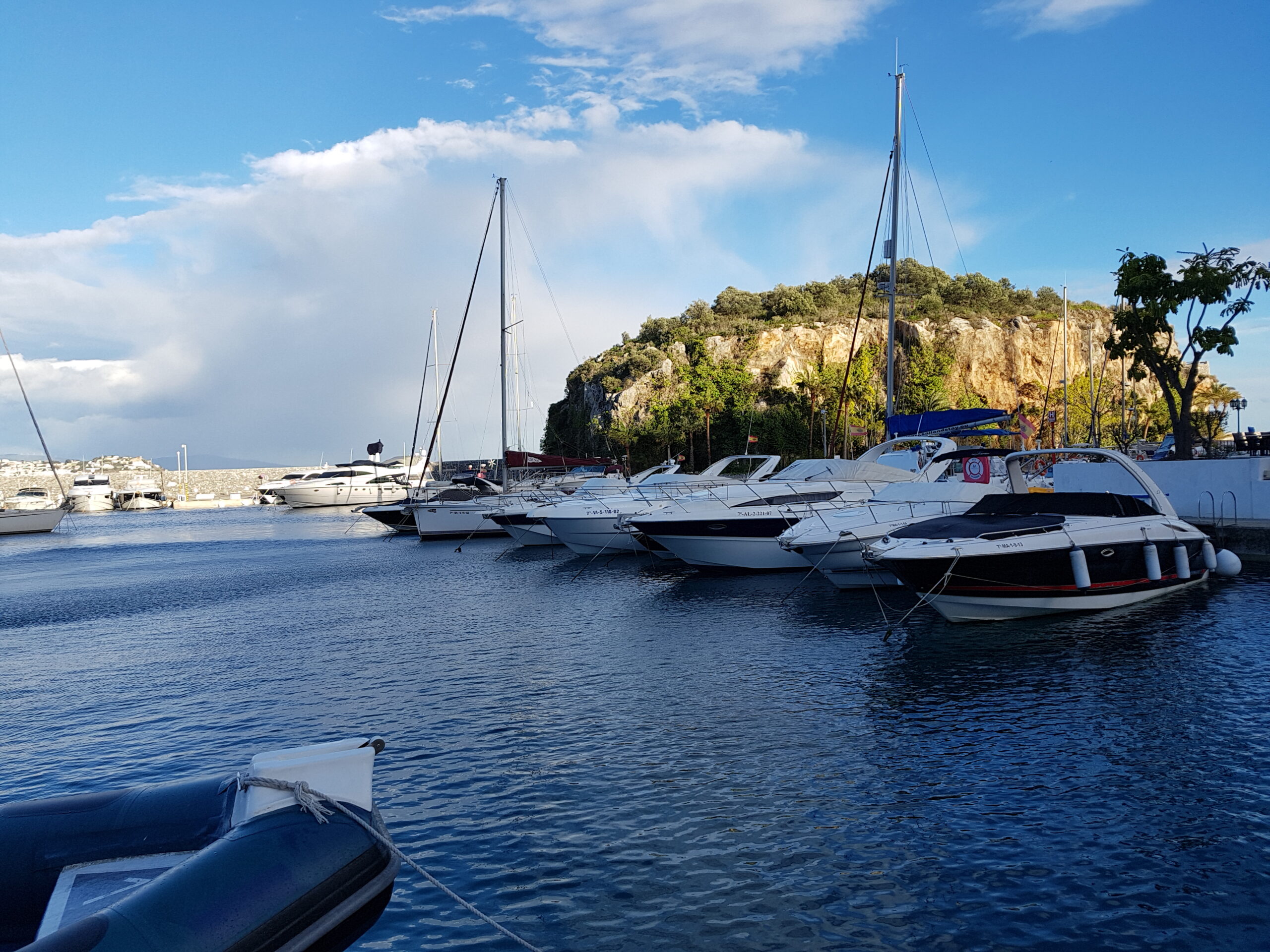
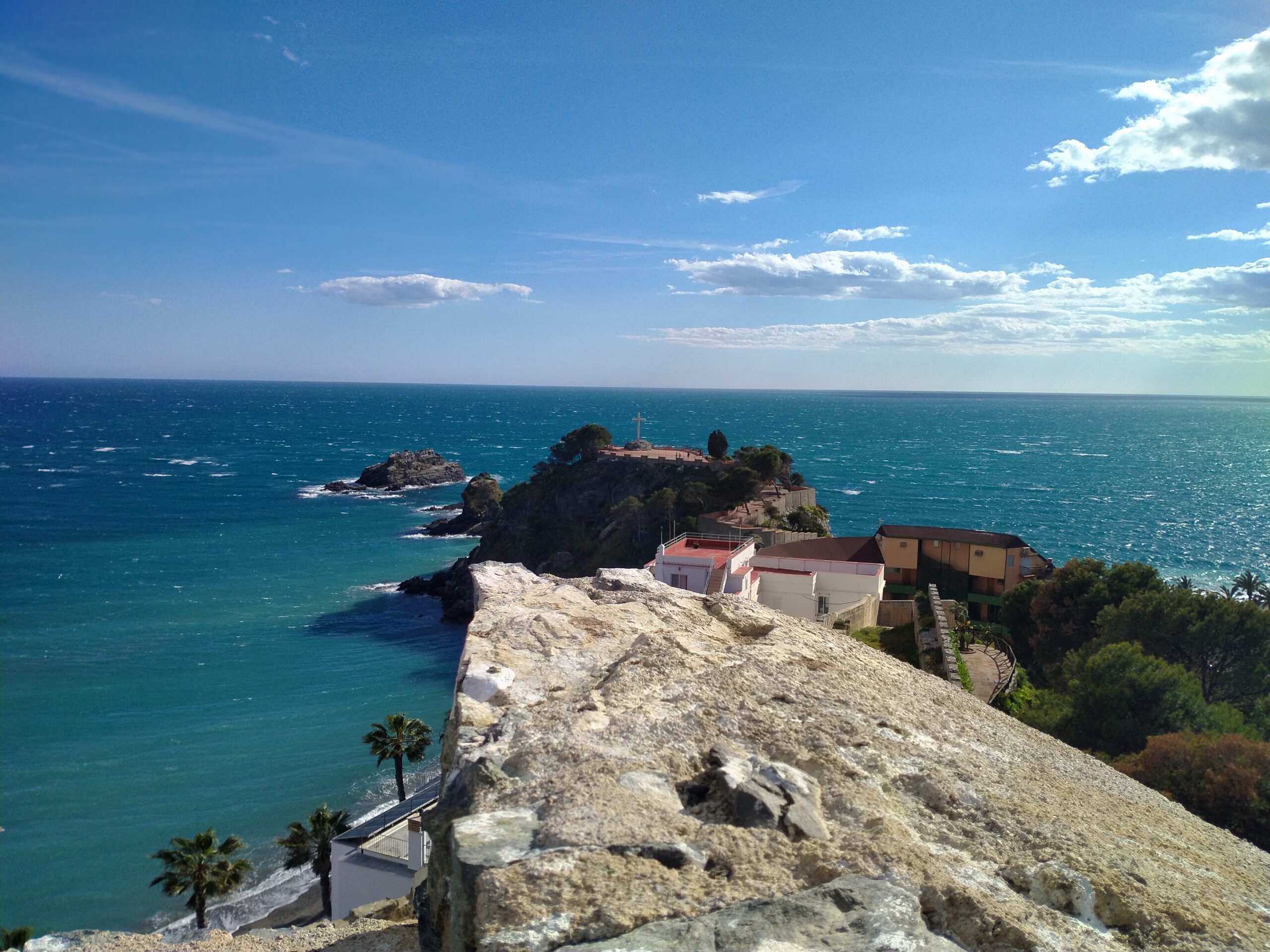
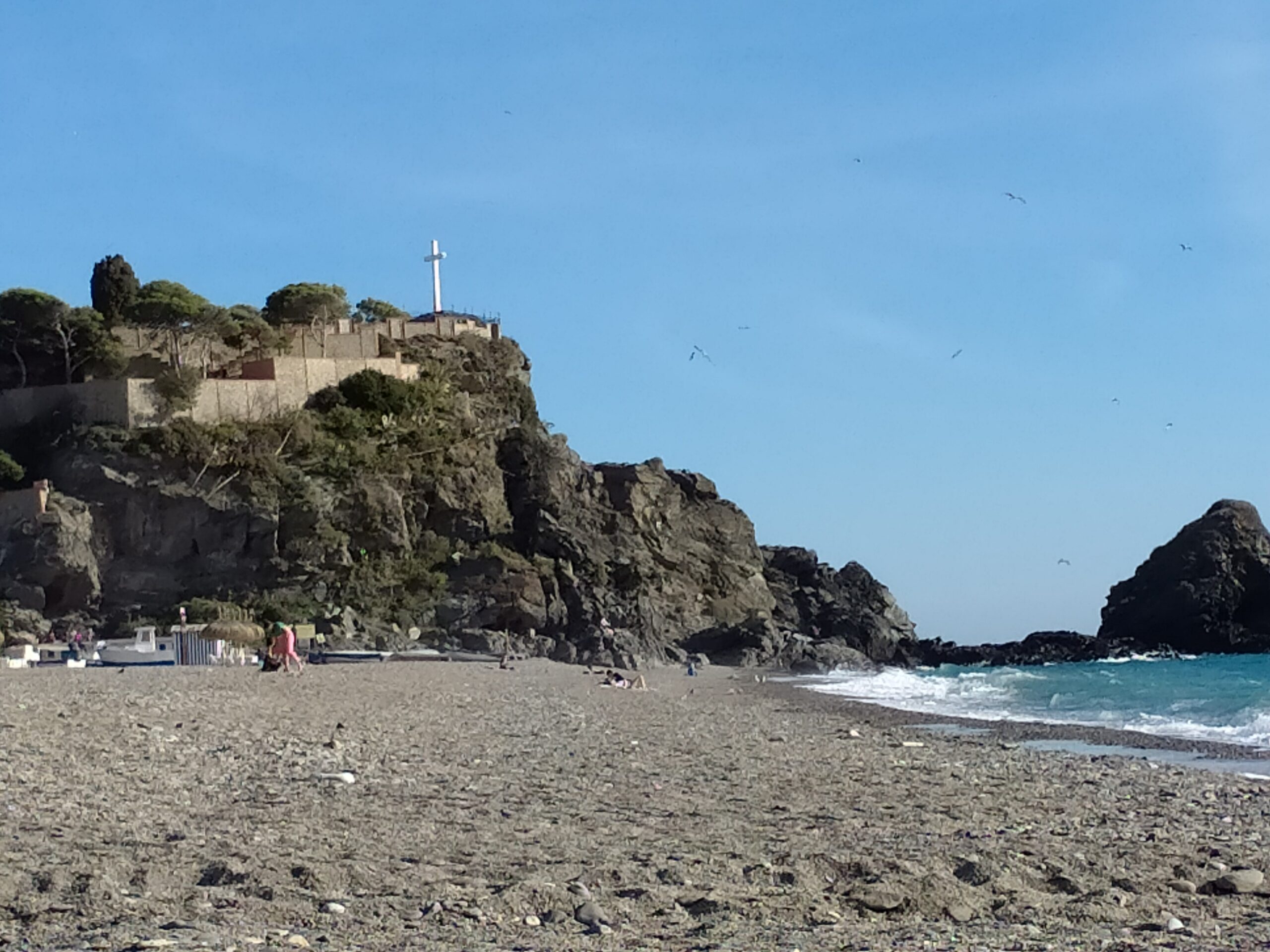
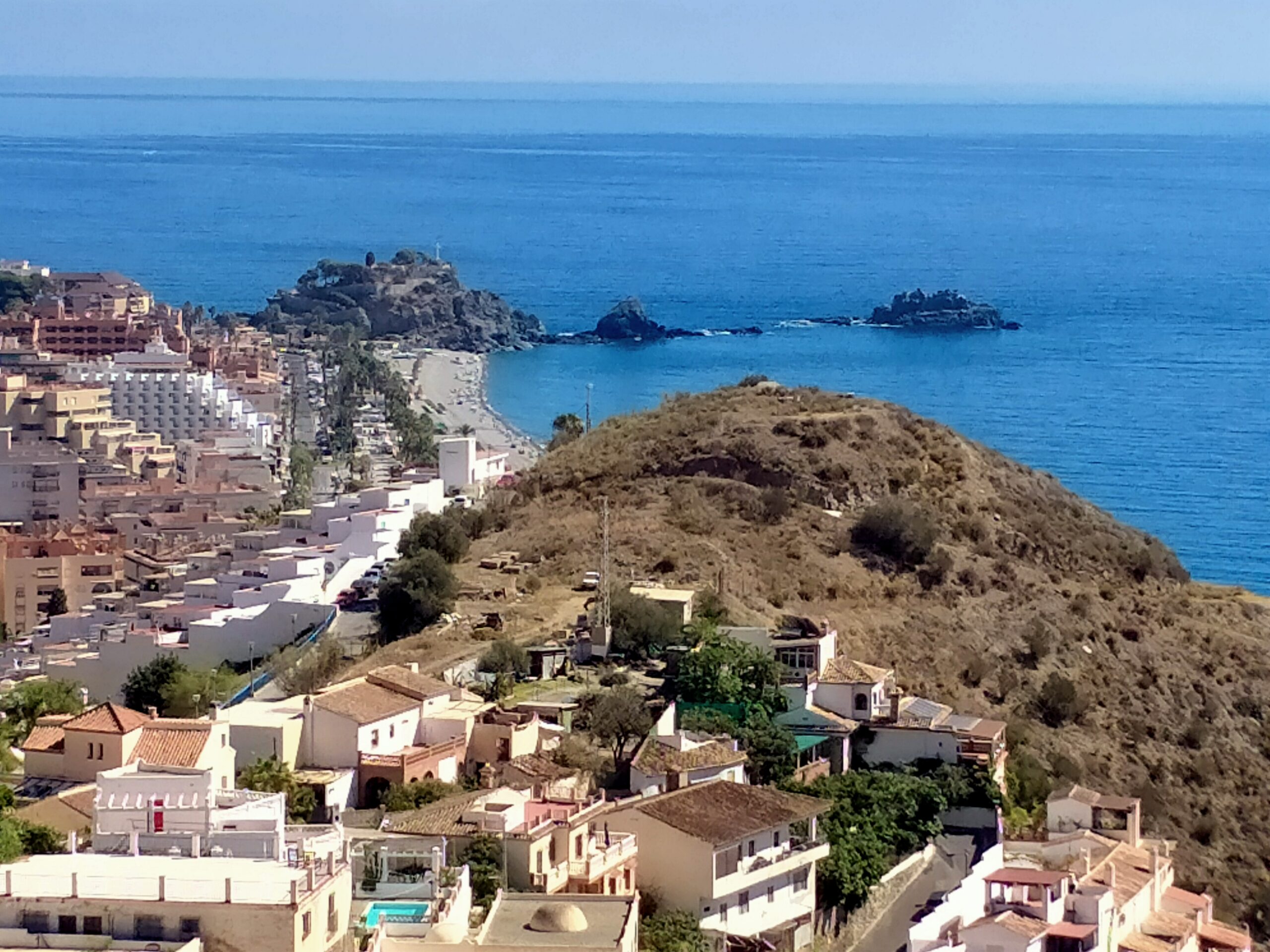
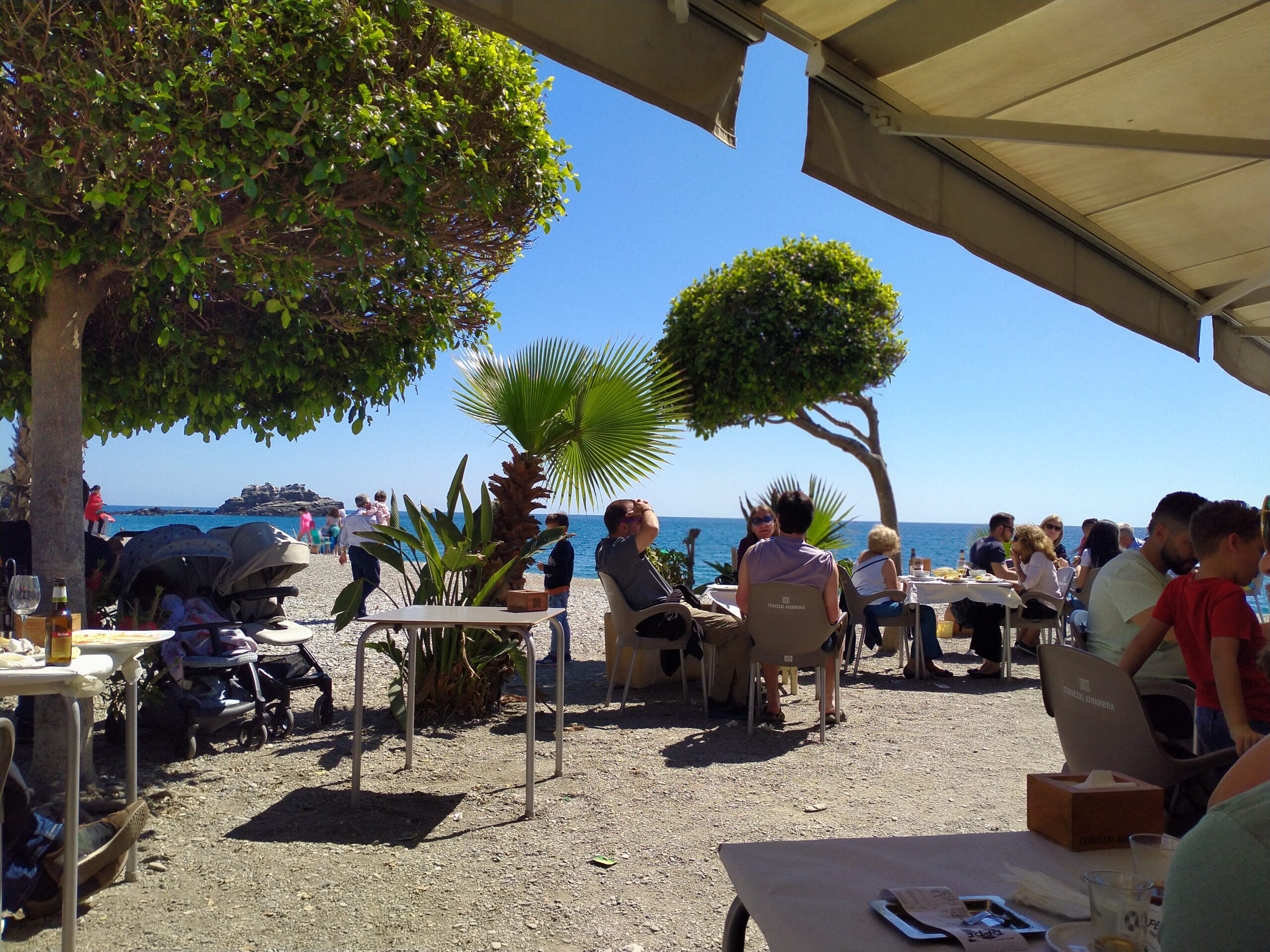
- Penones del San Cristobal:a rocky hill on San Cristobal beach, with fantastic views of the entire area.
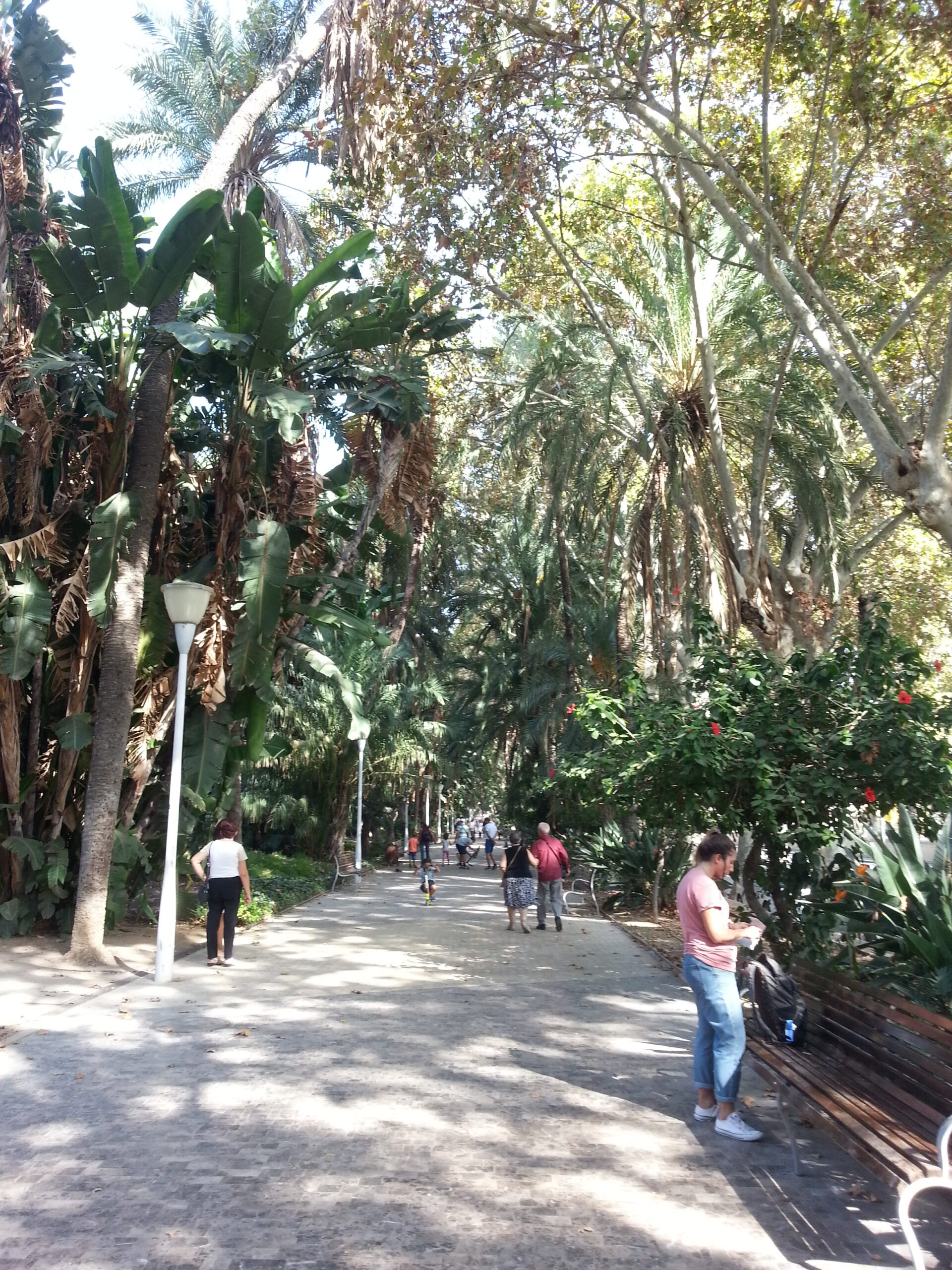
- Majuelo Park and bird sanctuary Loro Sexy: a tropical park with a rich collection of modern sculptures, perfect for a walk and relaxation or an evening concert.
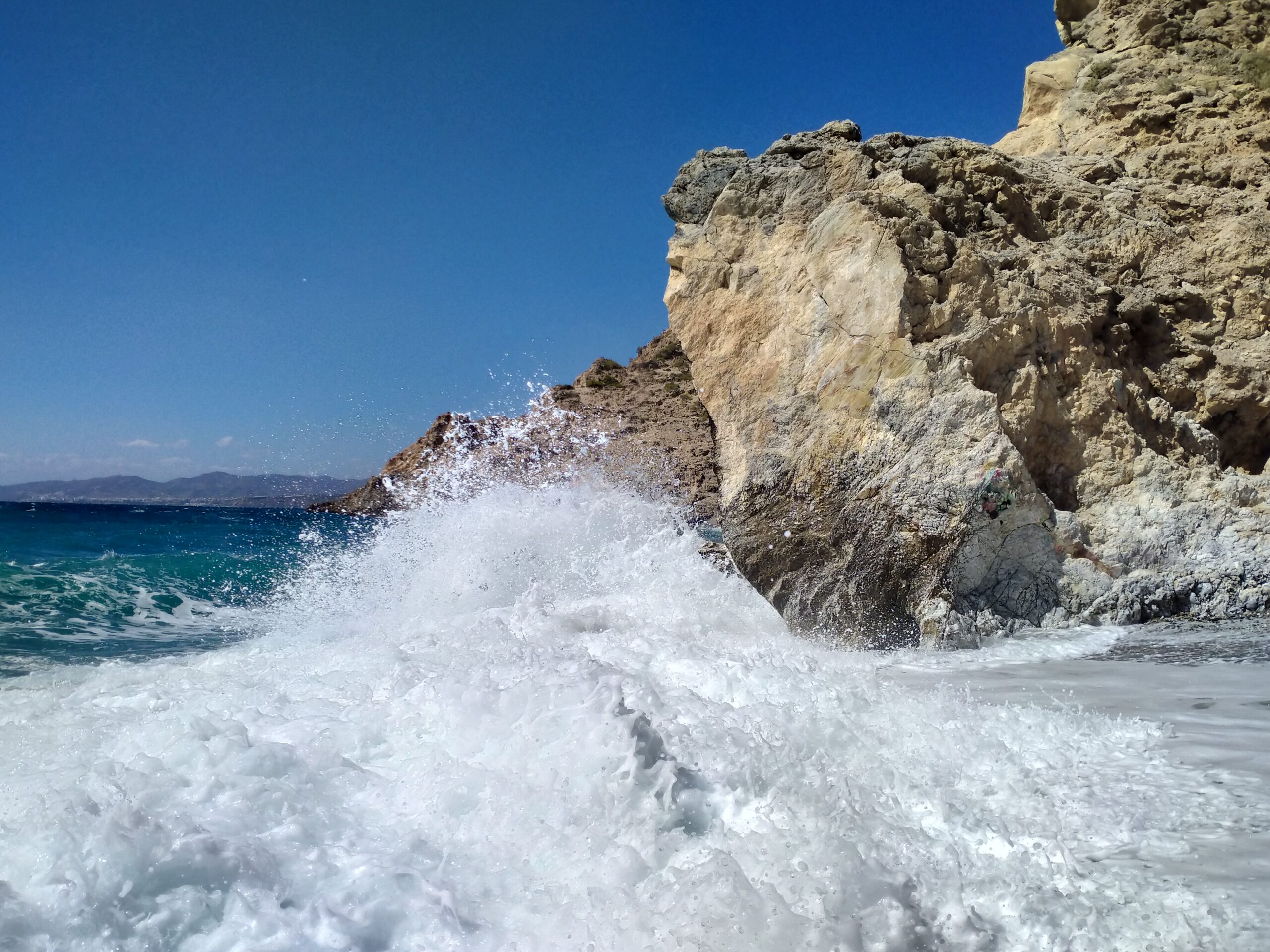
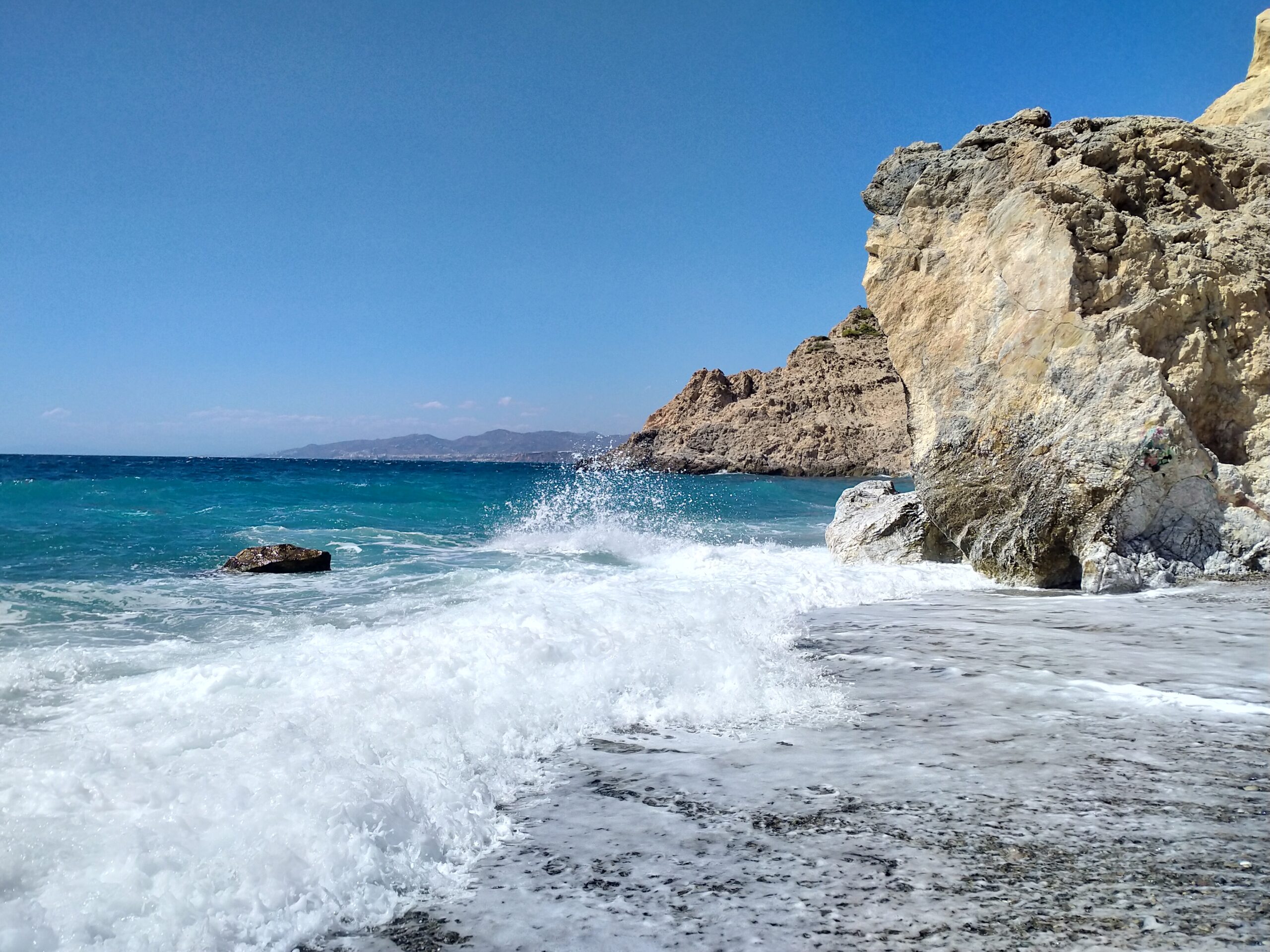
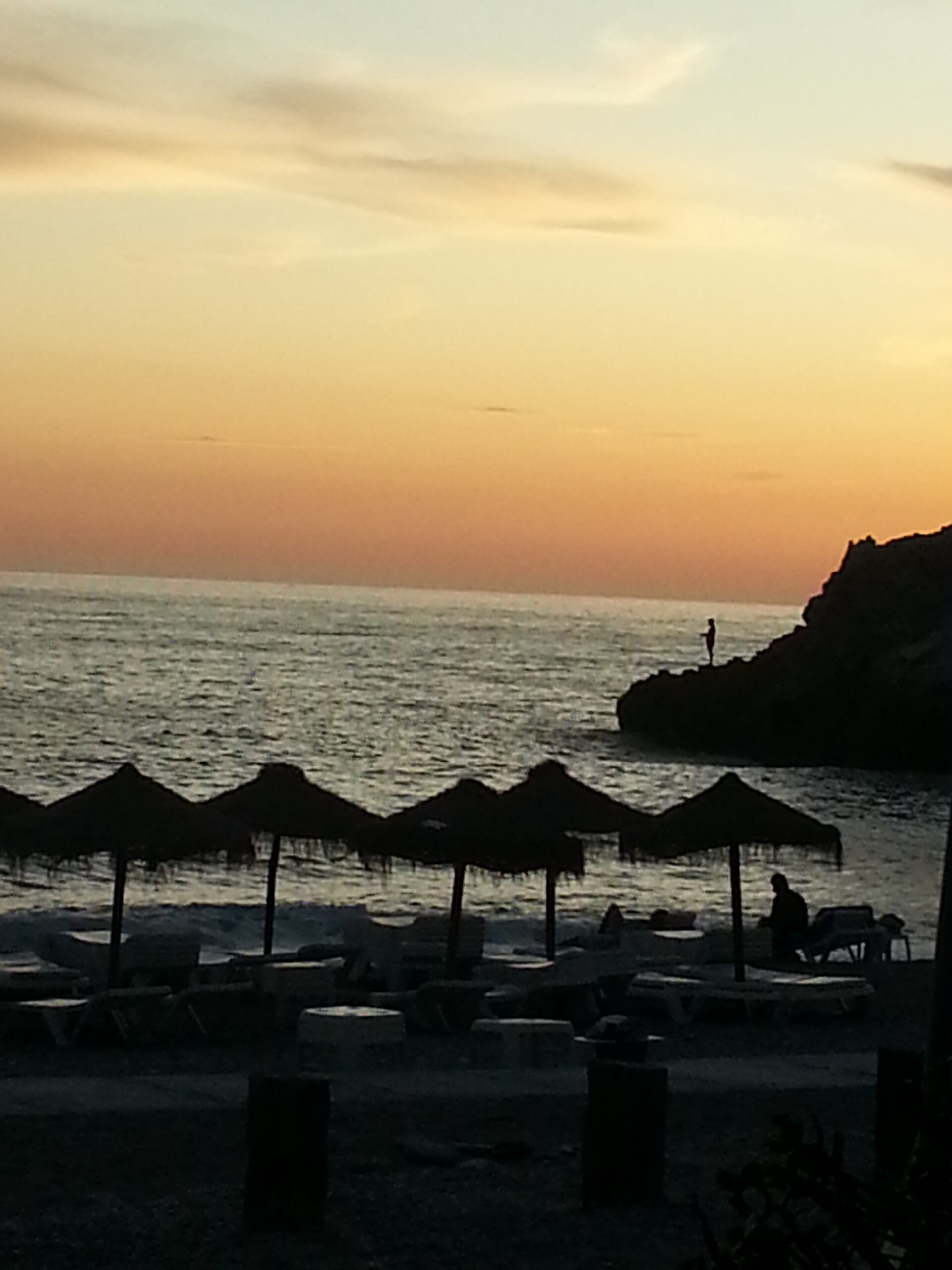
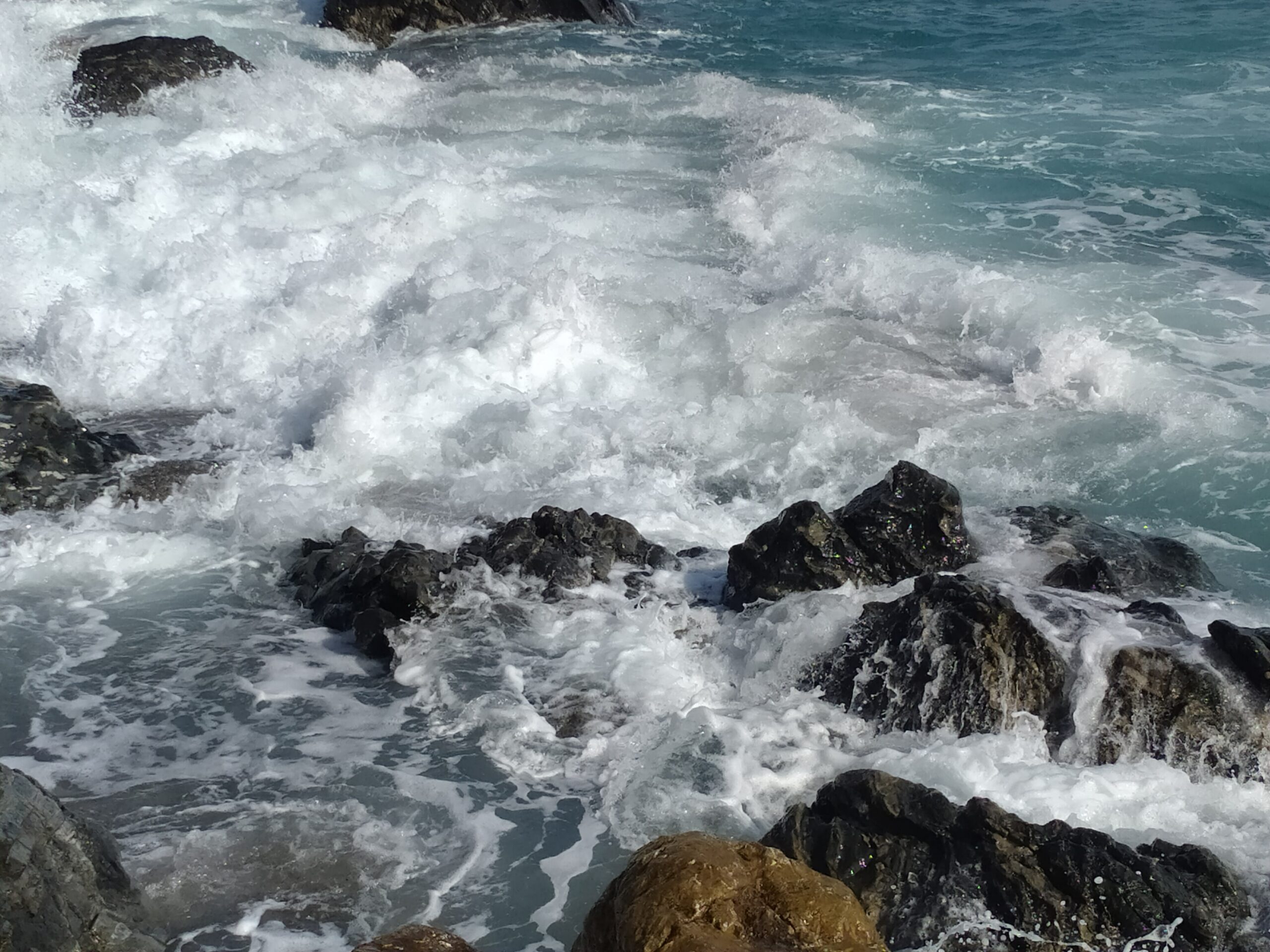
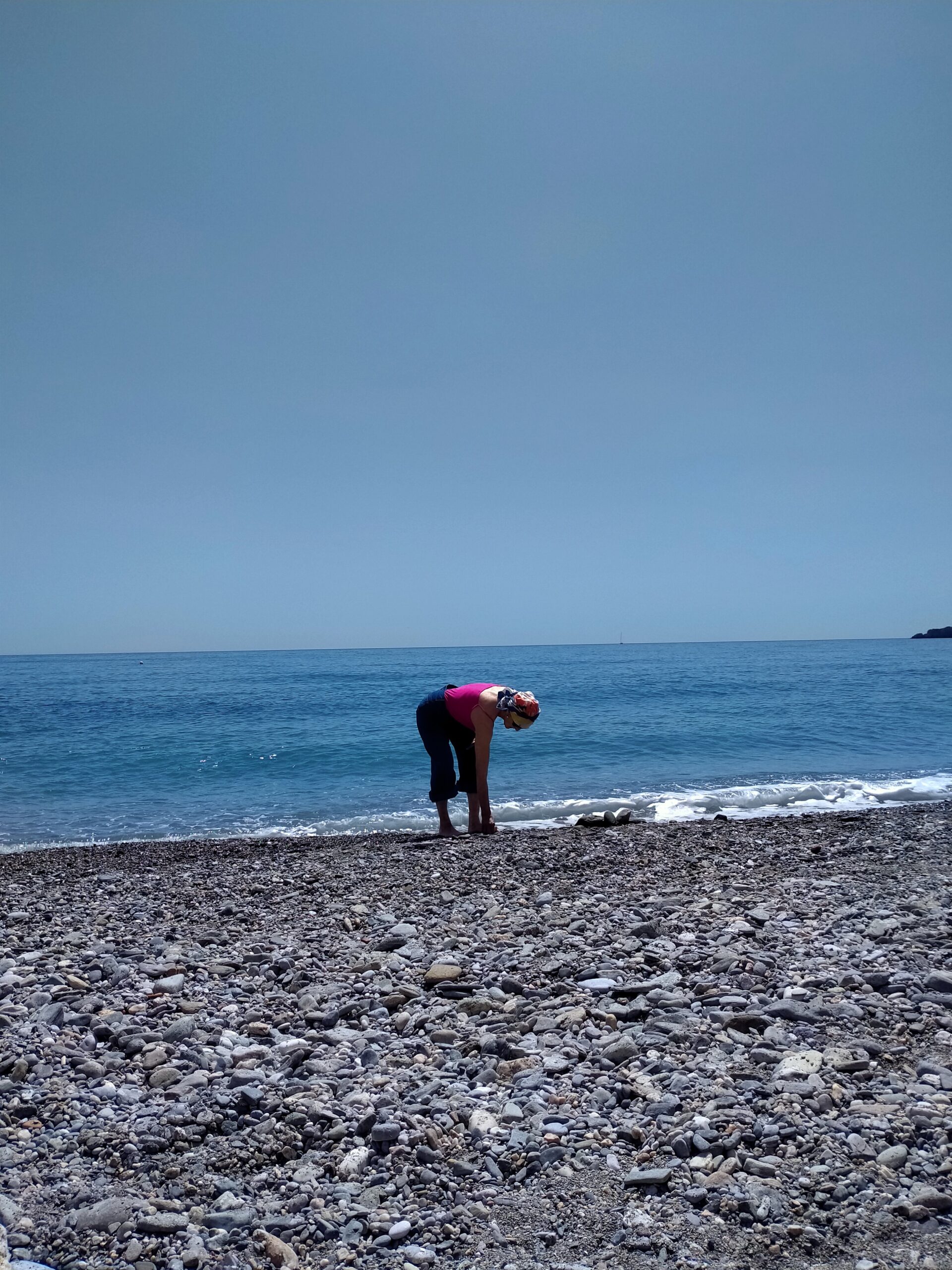
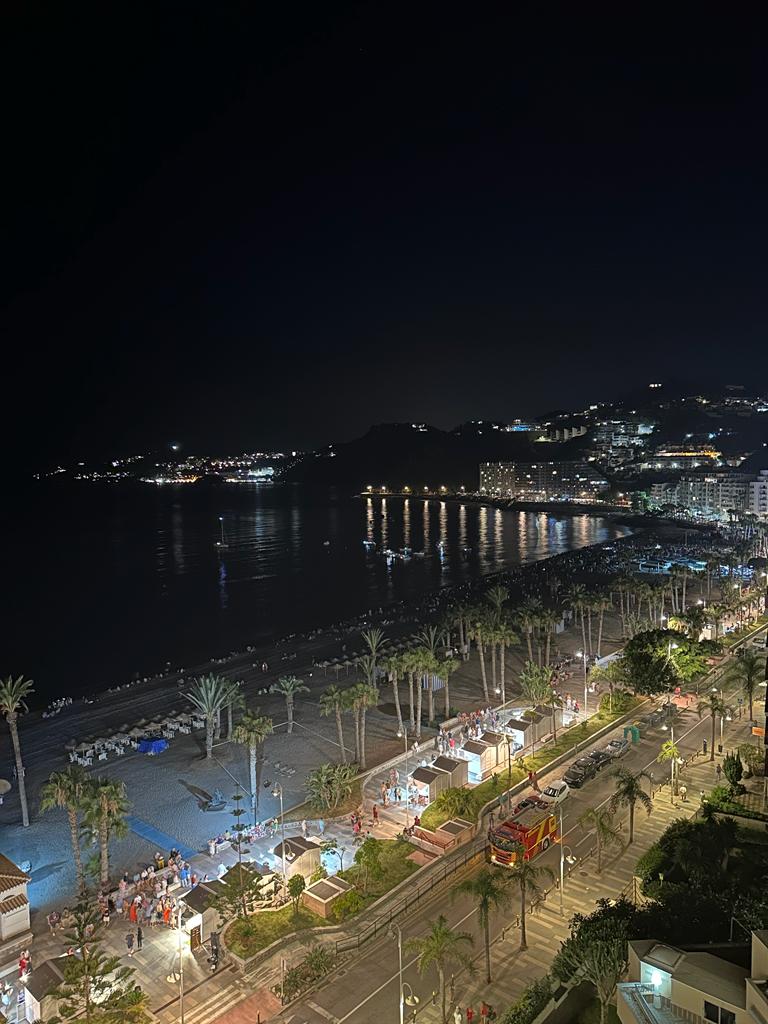
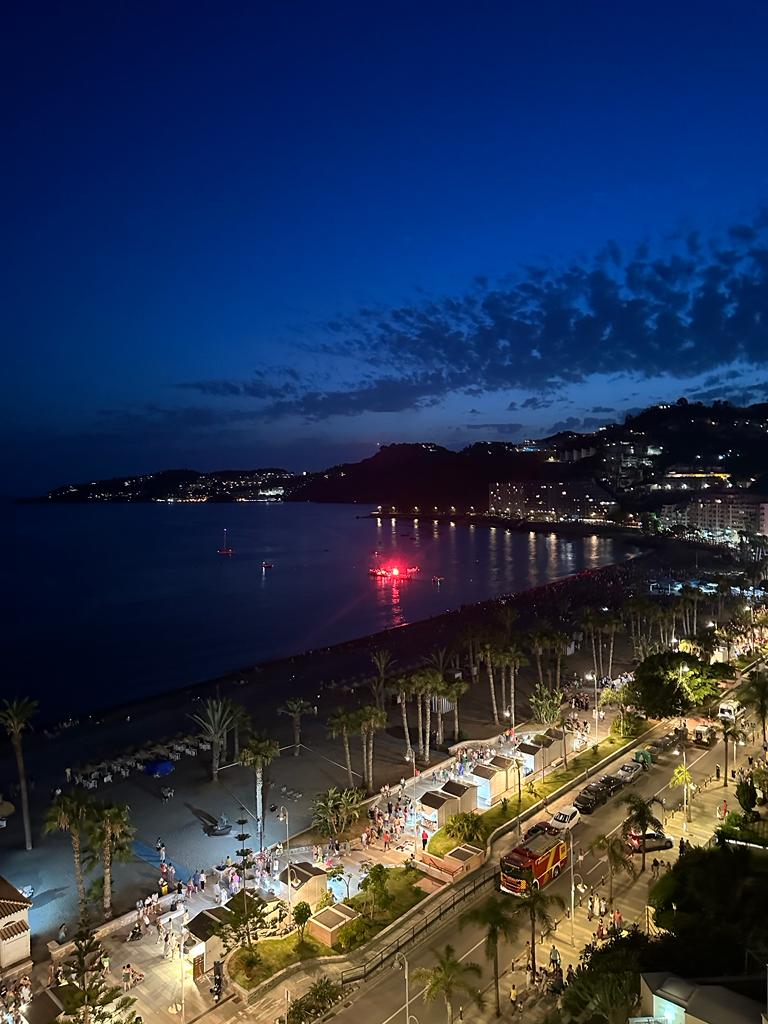
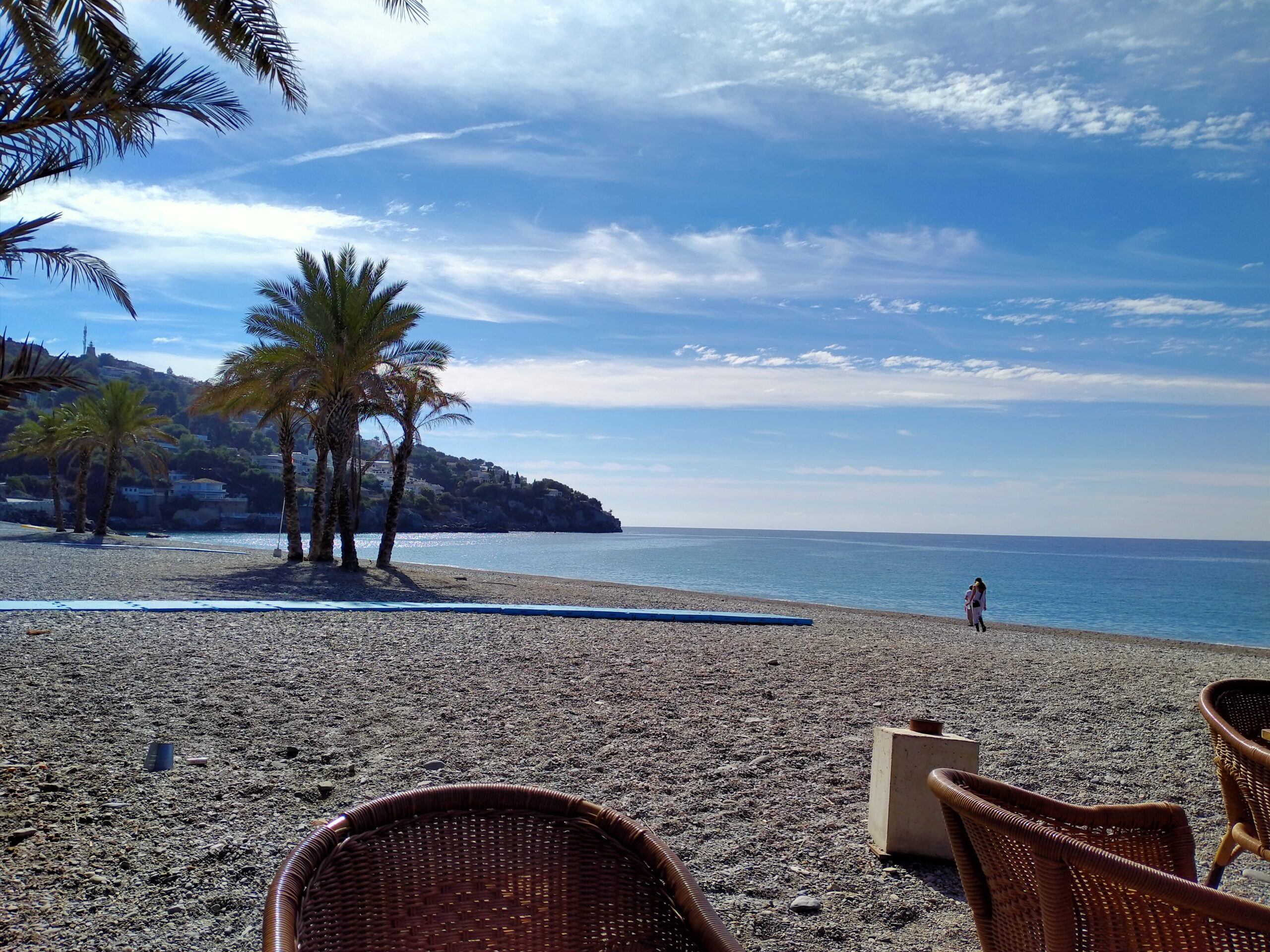
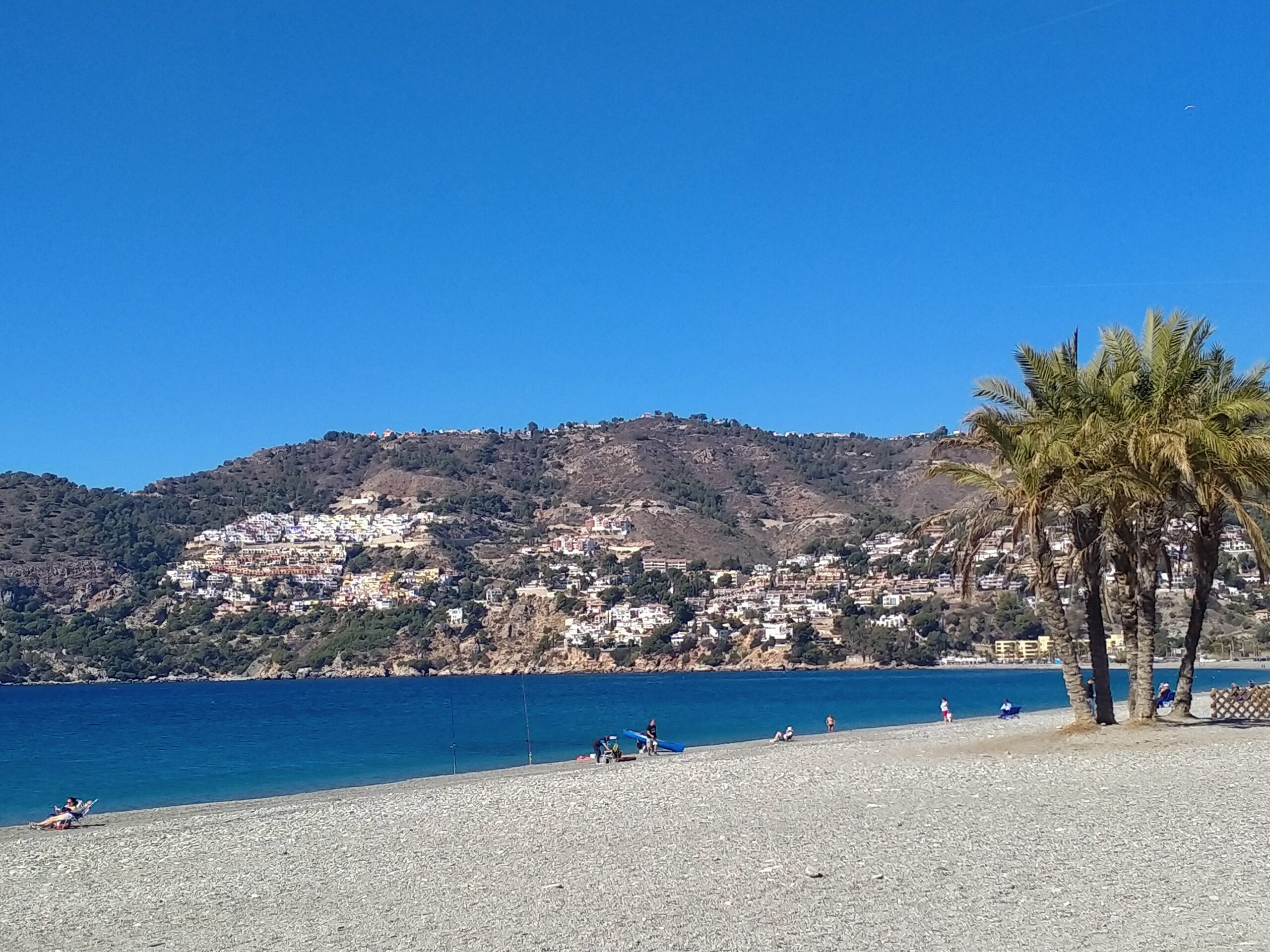
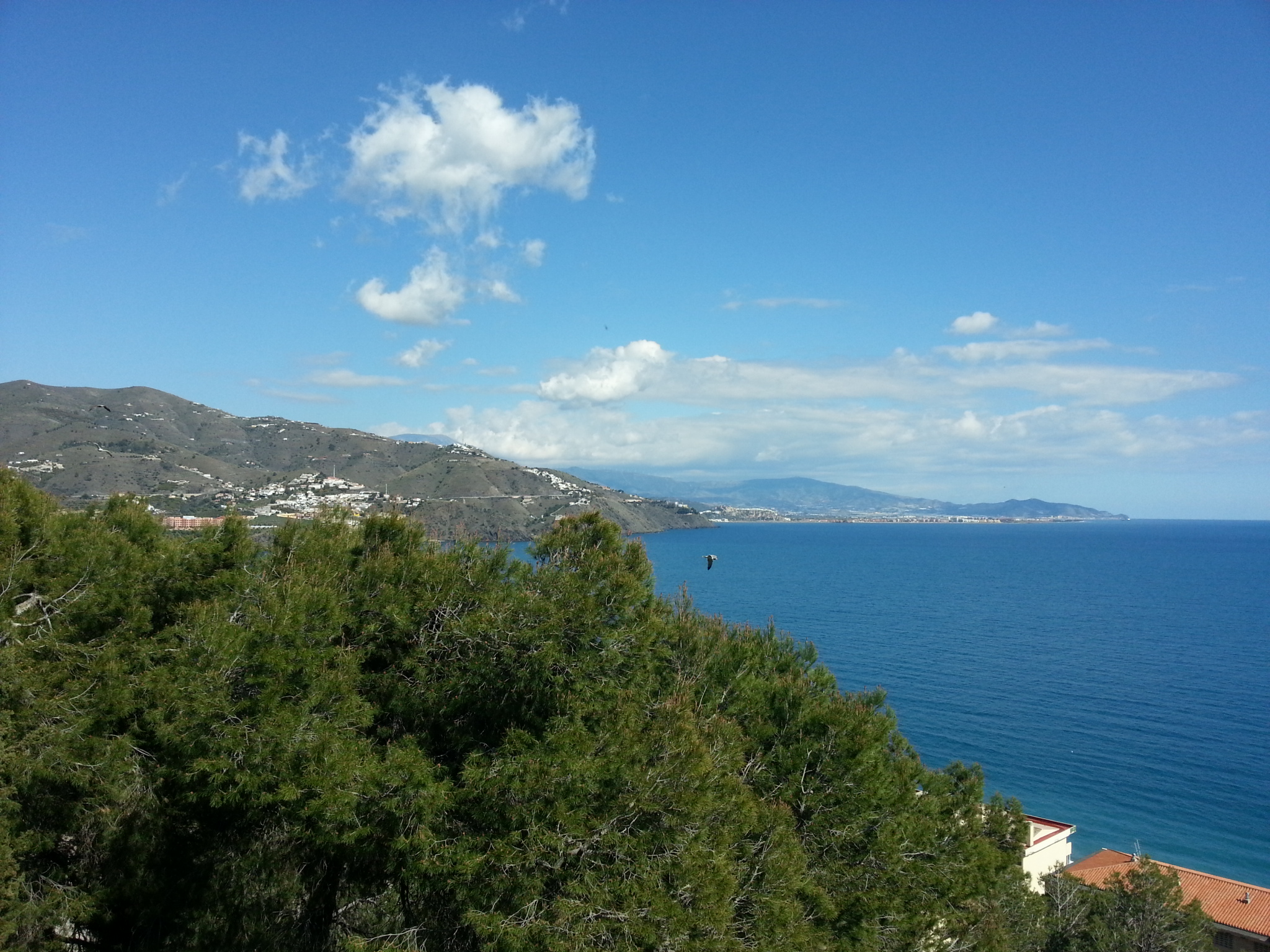
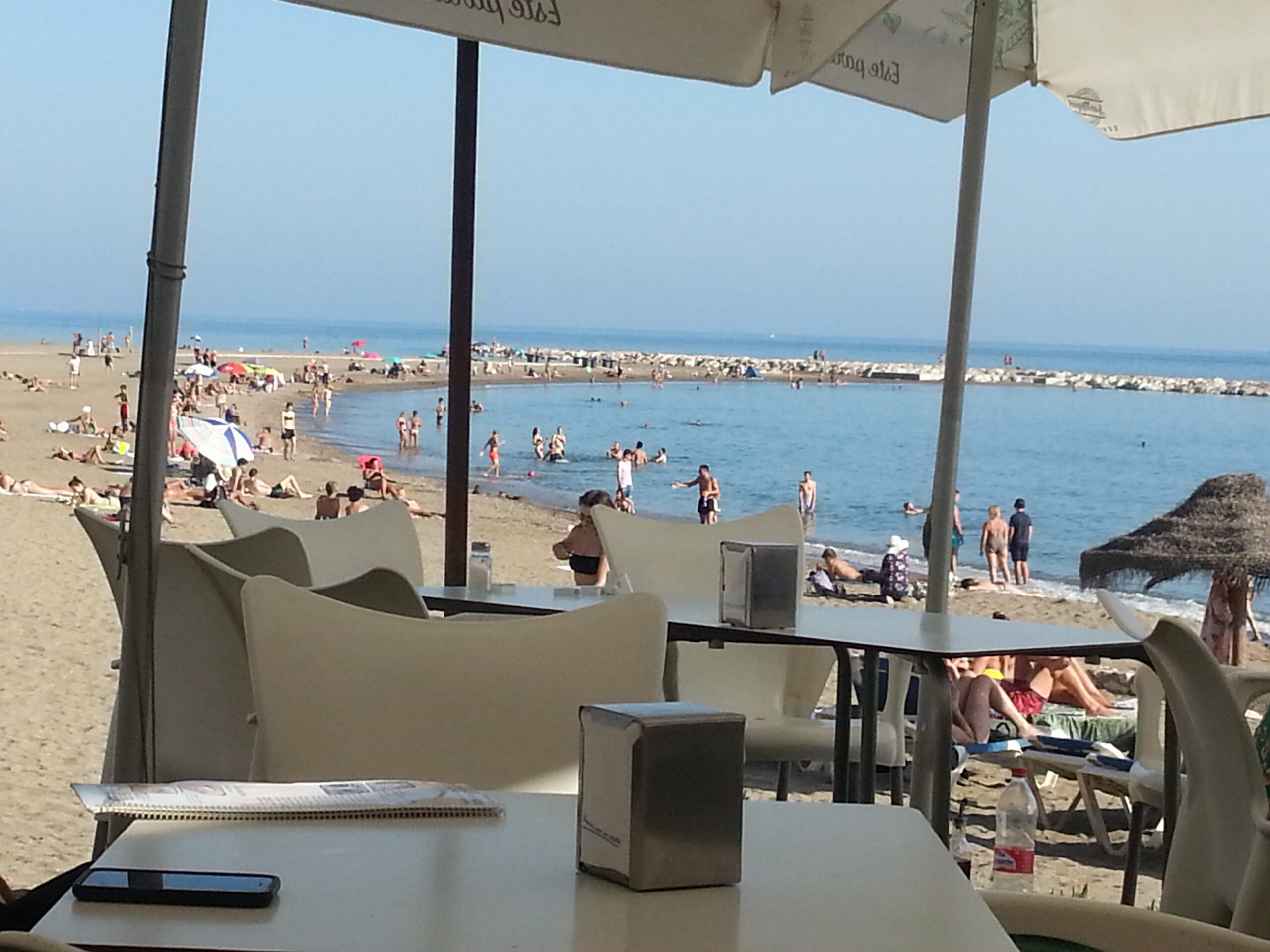
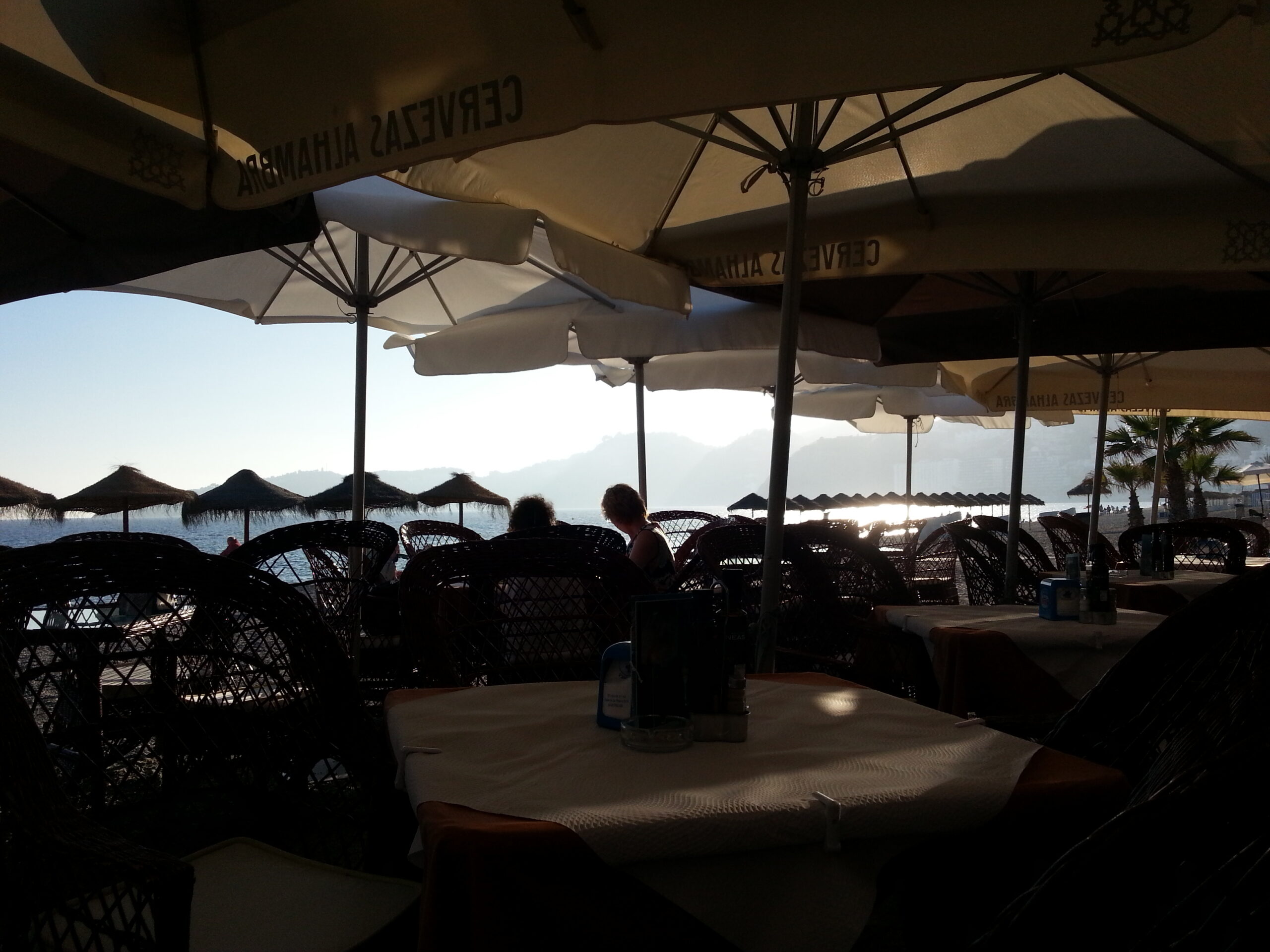
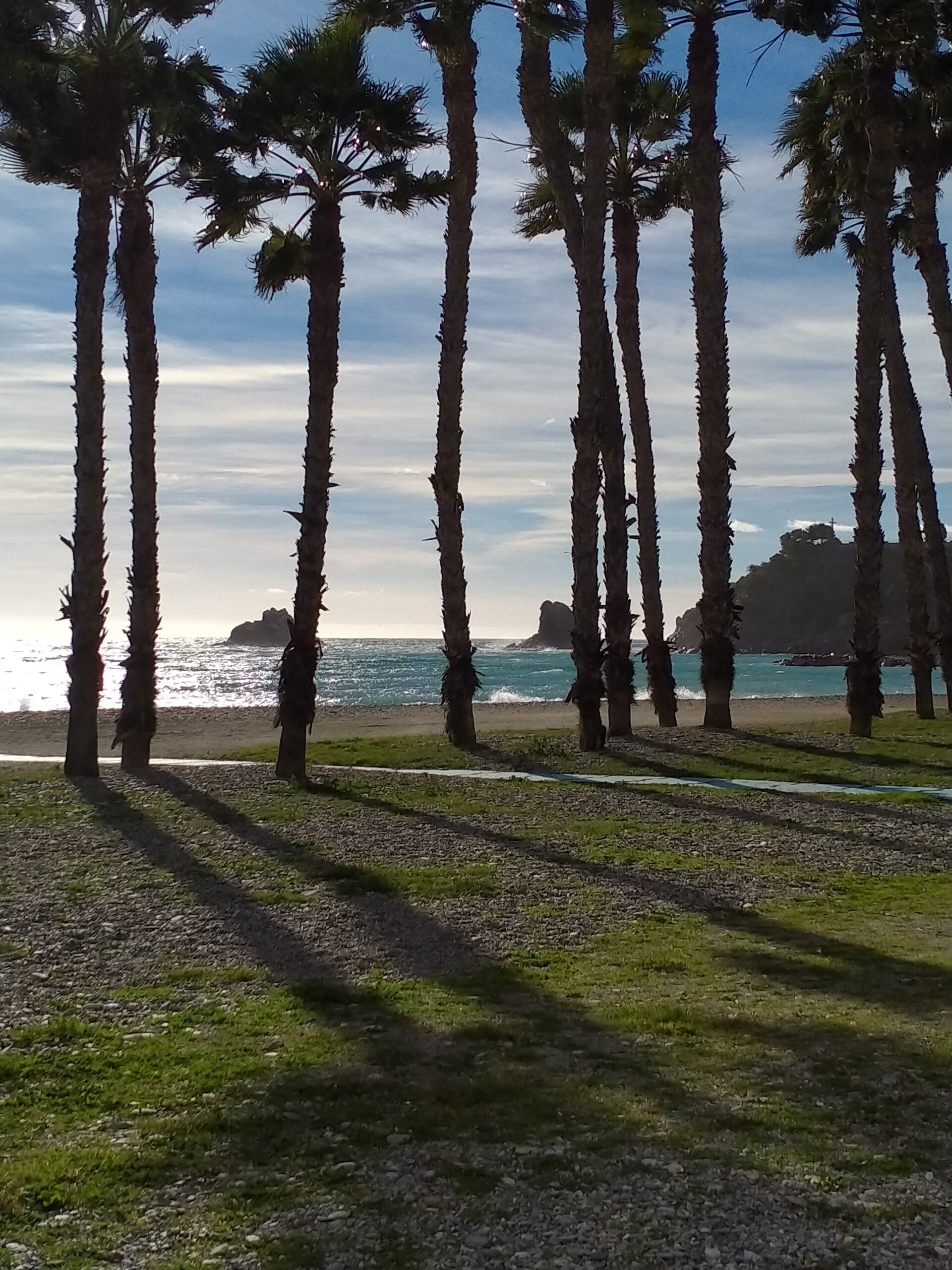
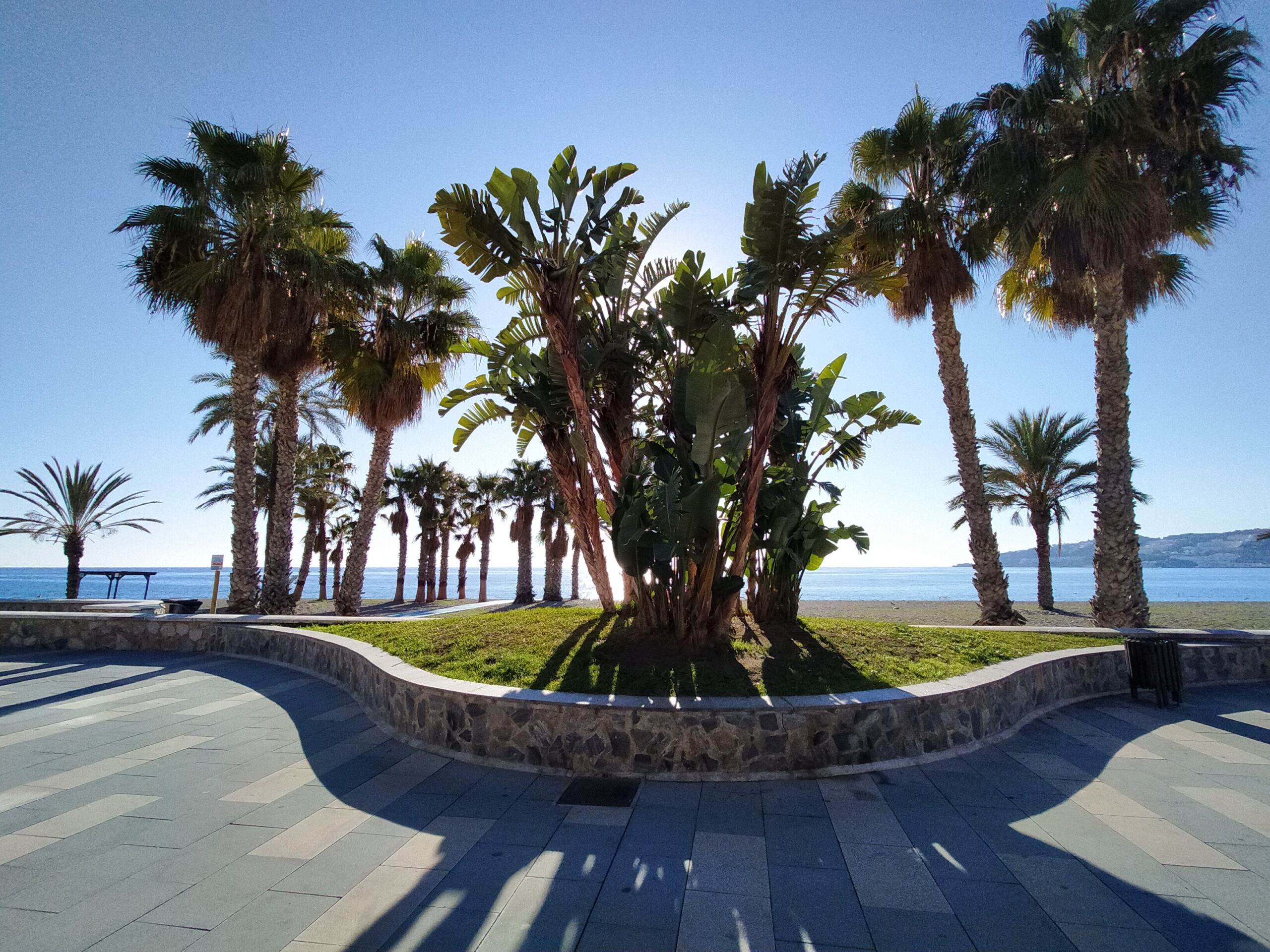
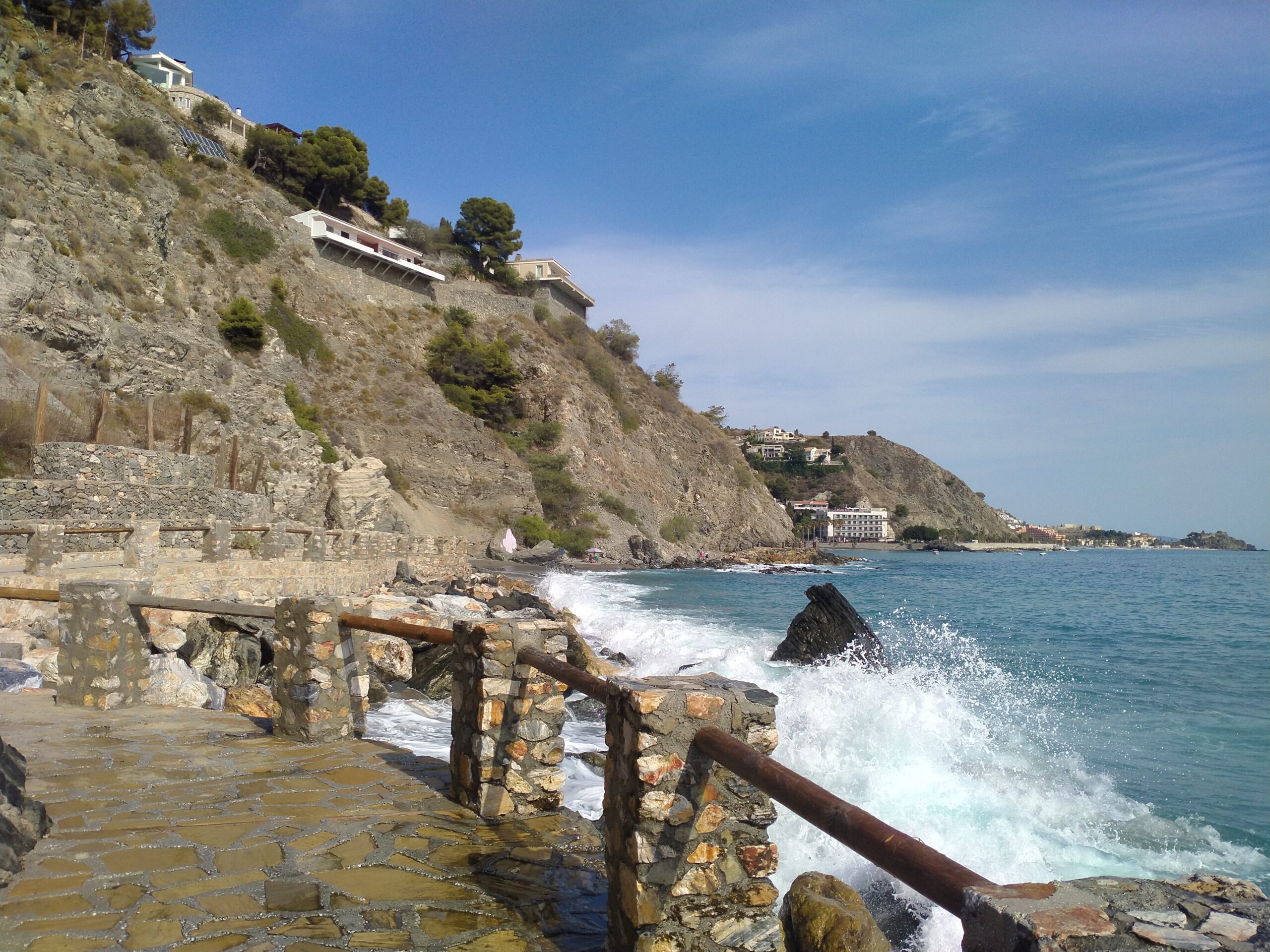
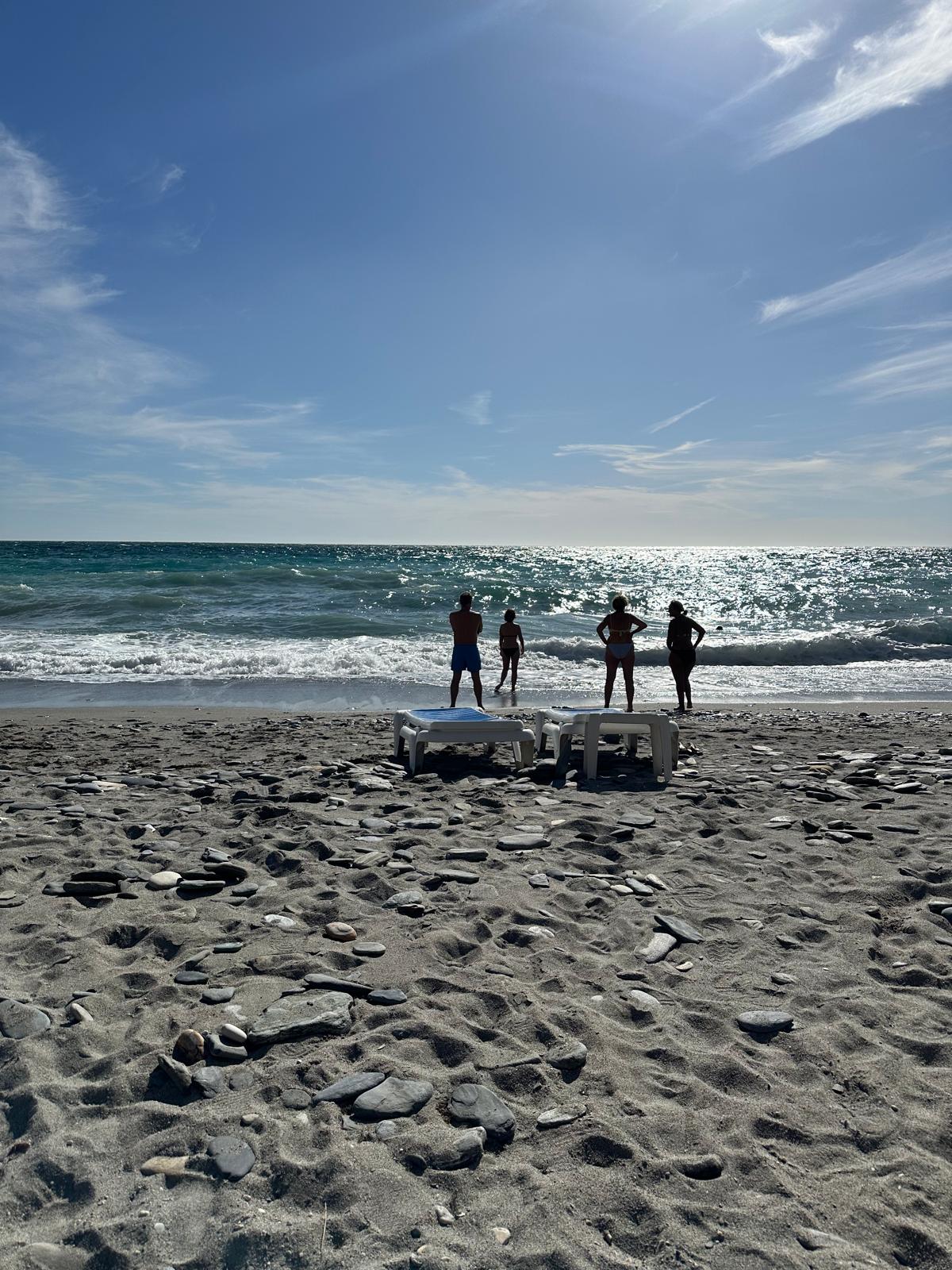
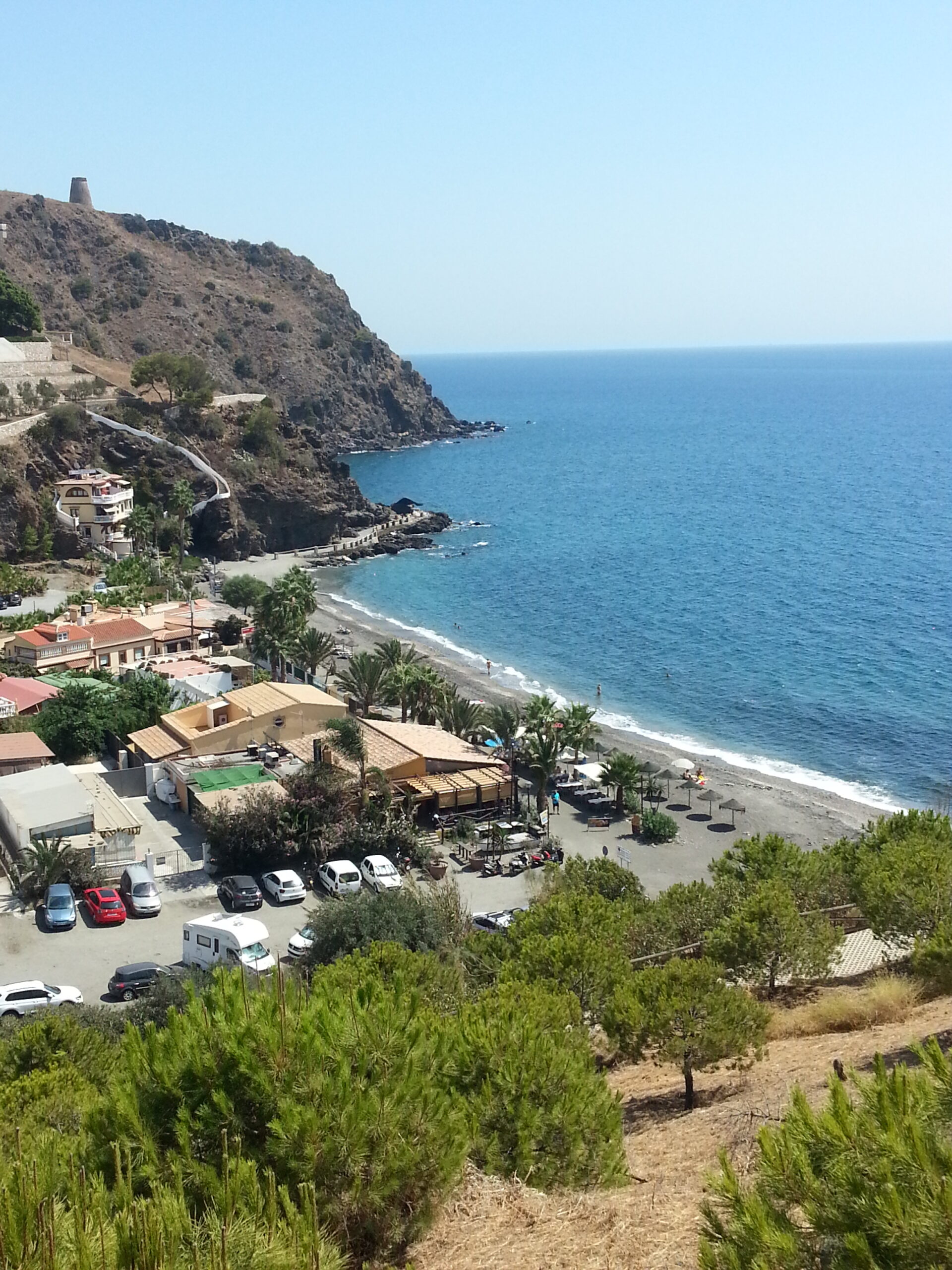
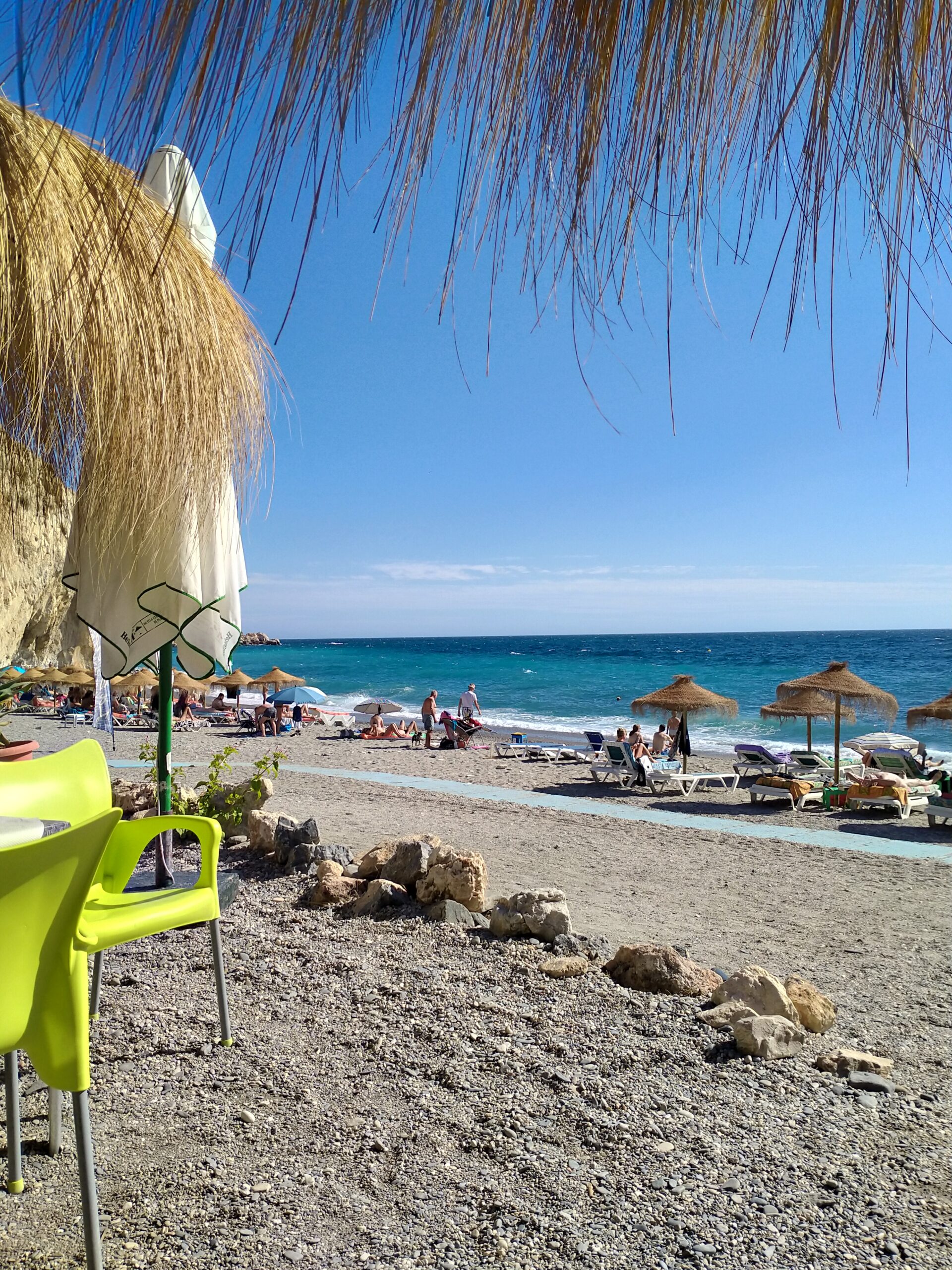
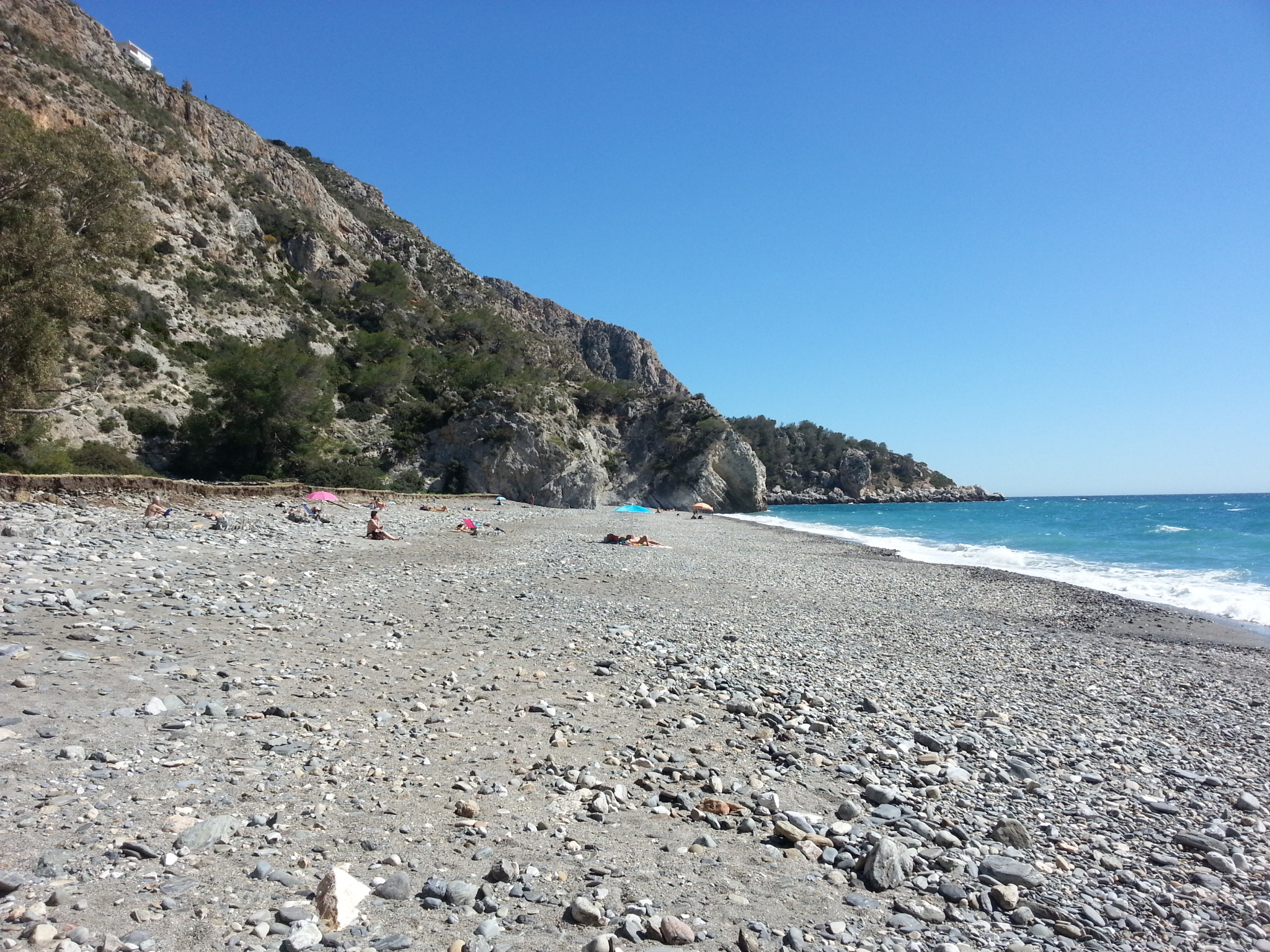
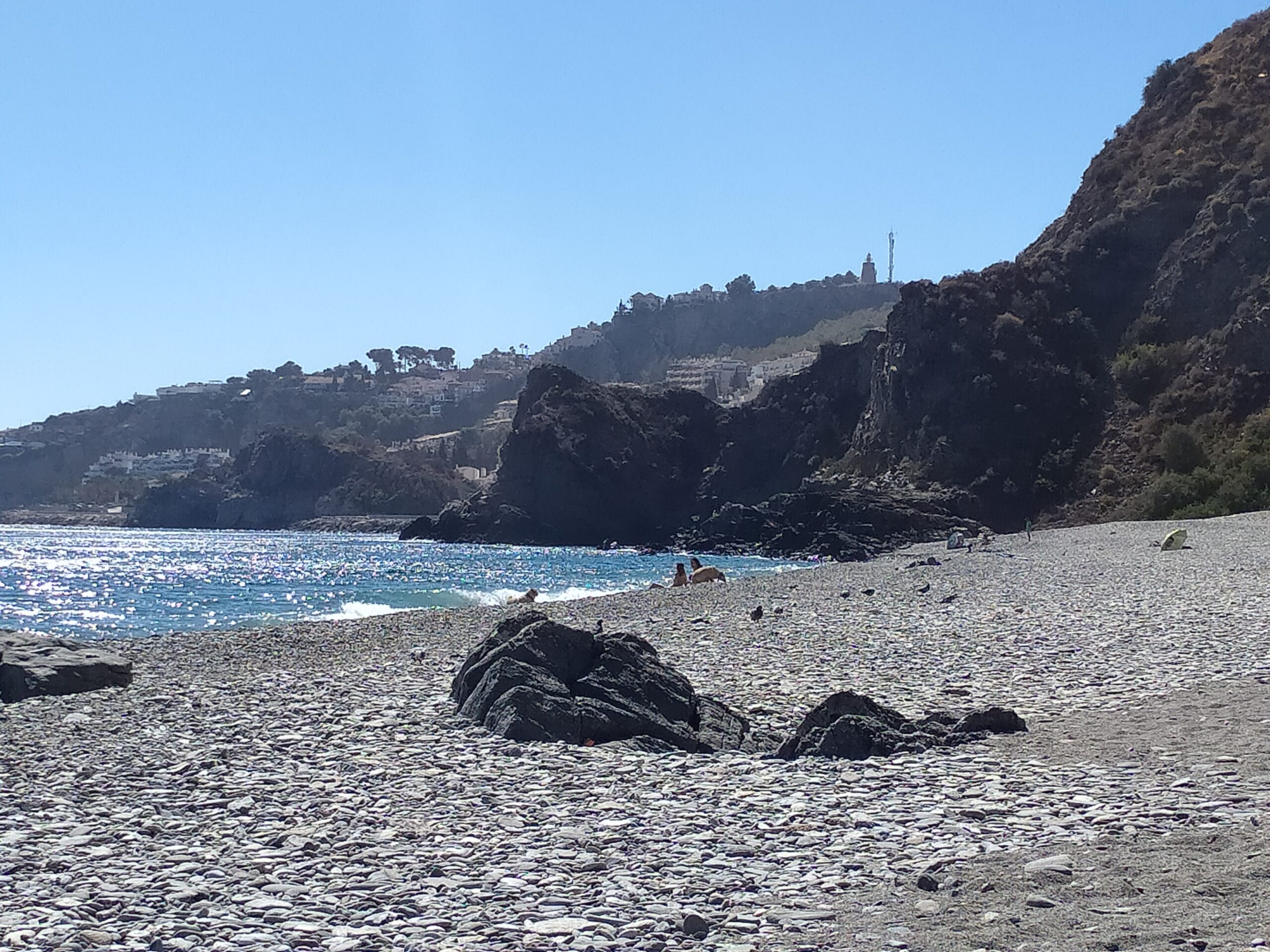
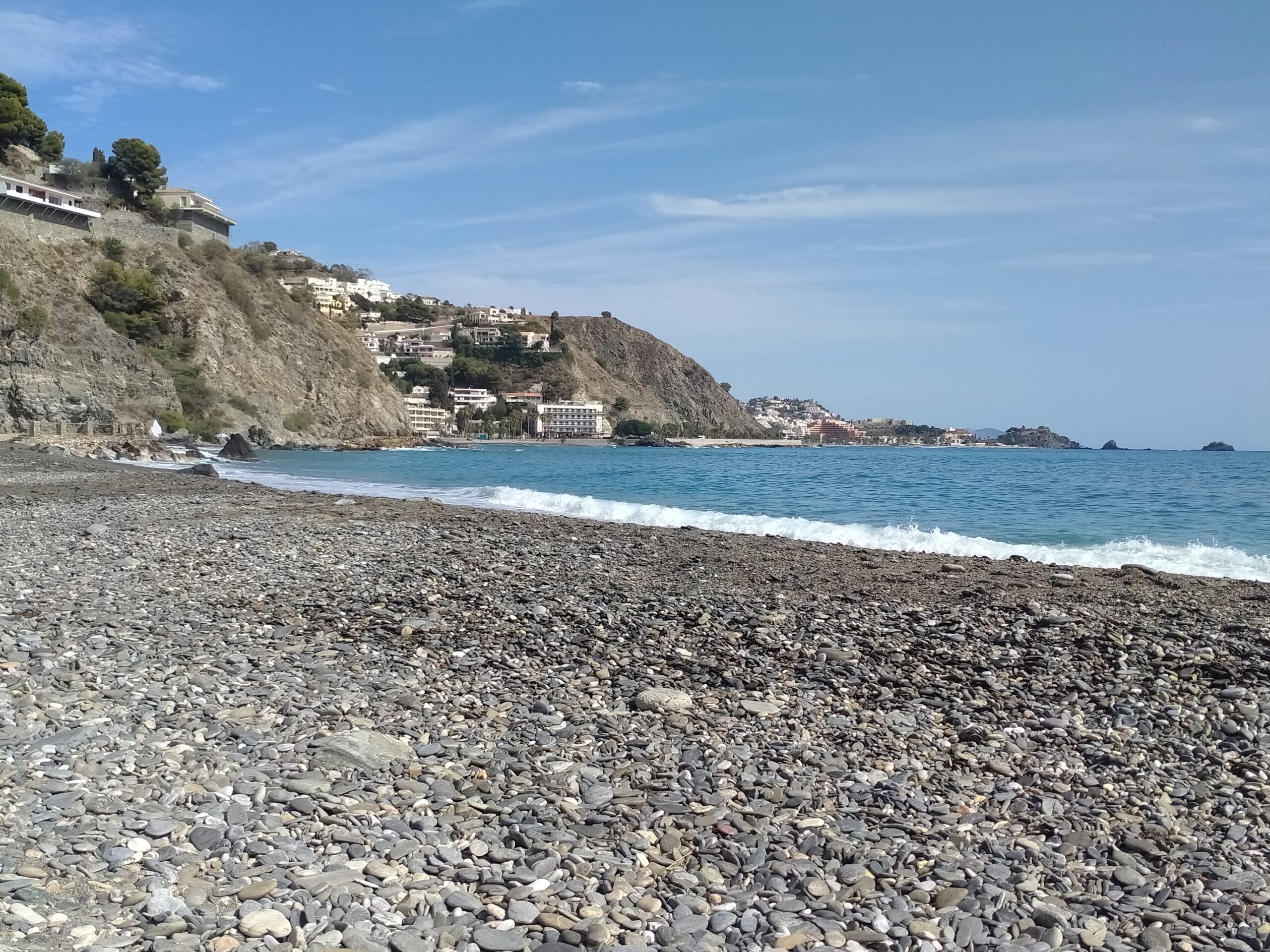
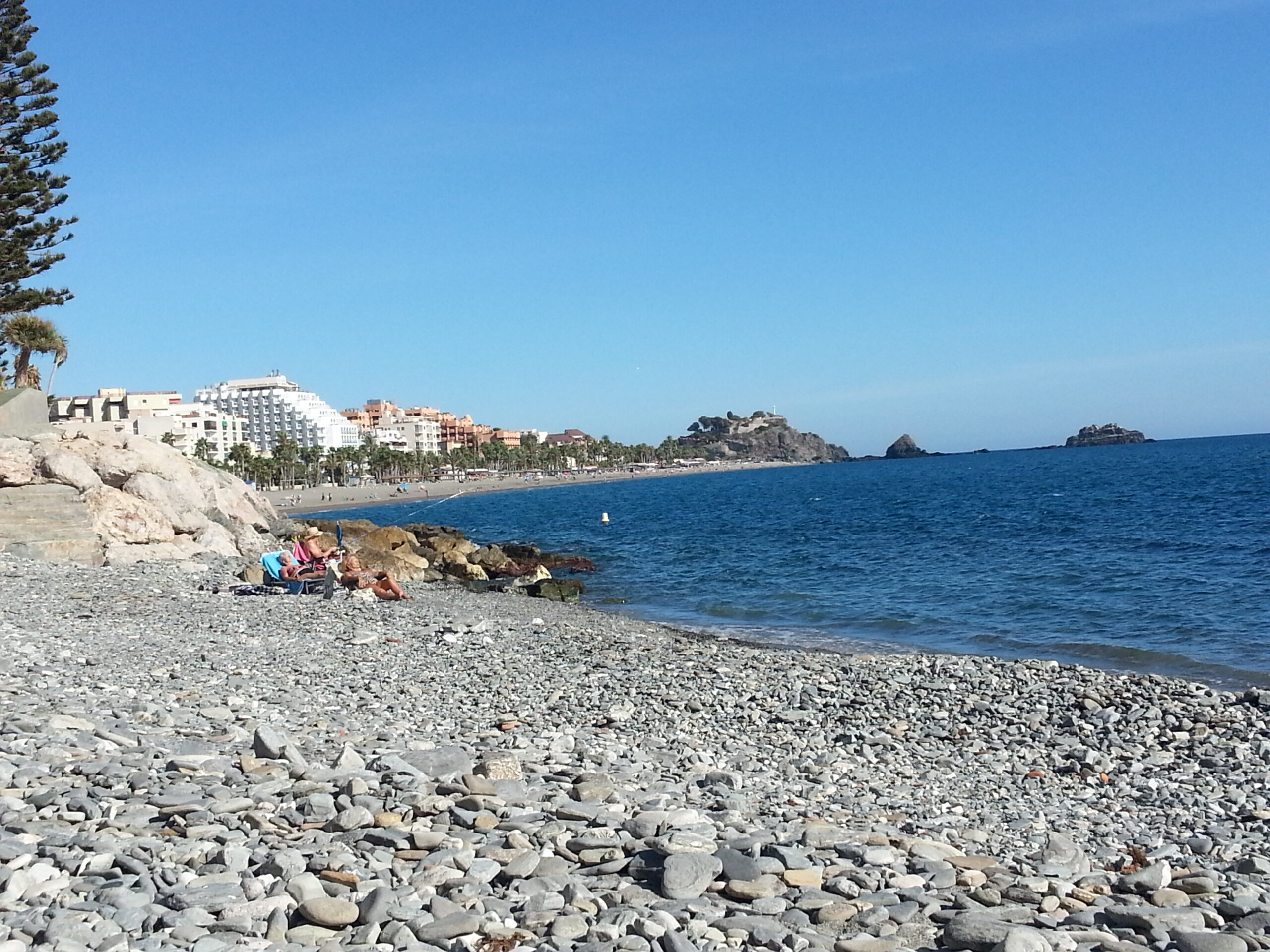
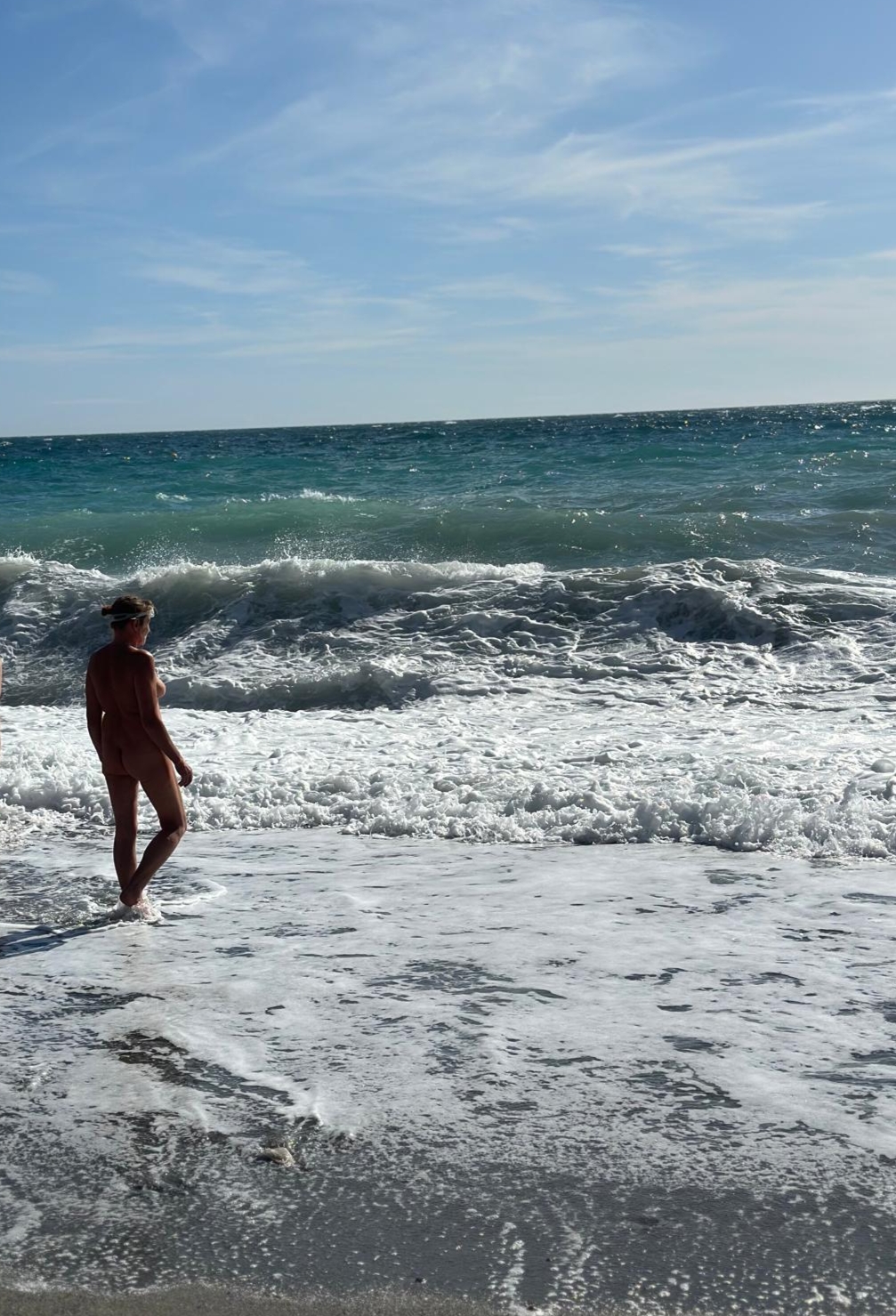
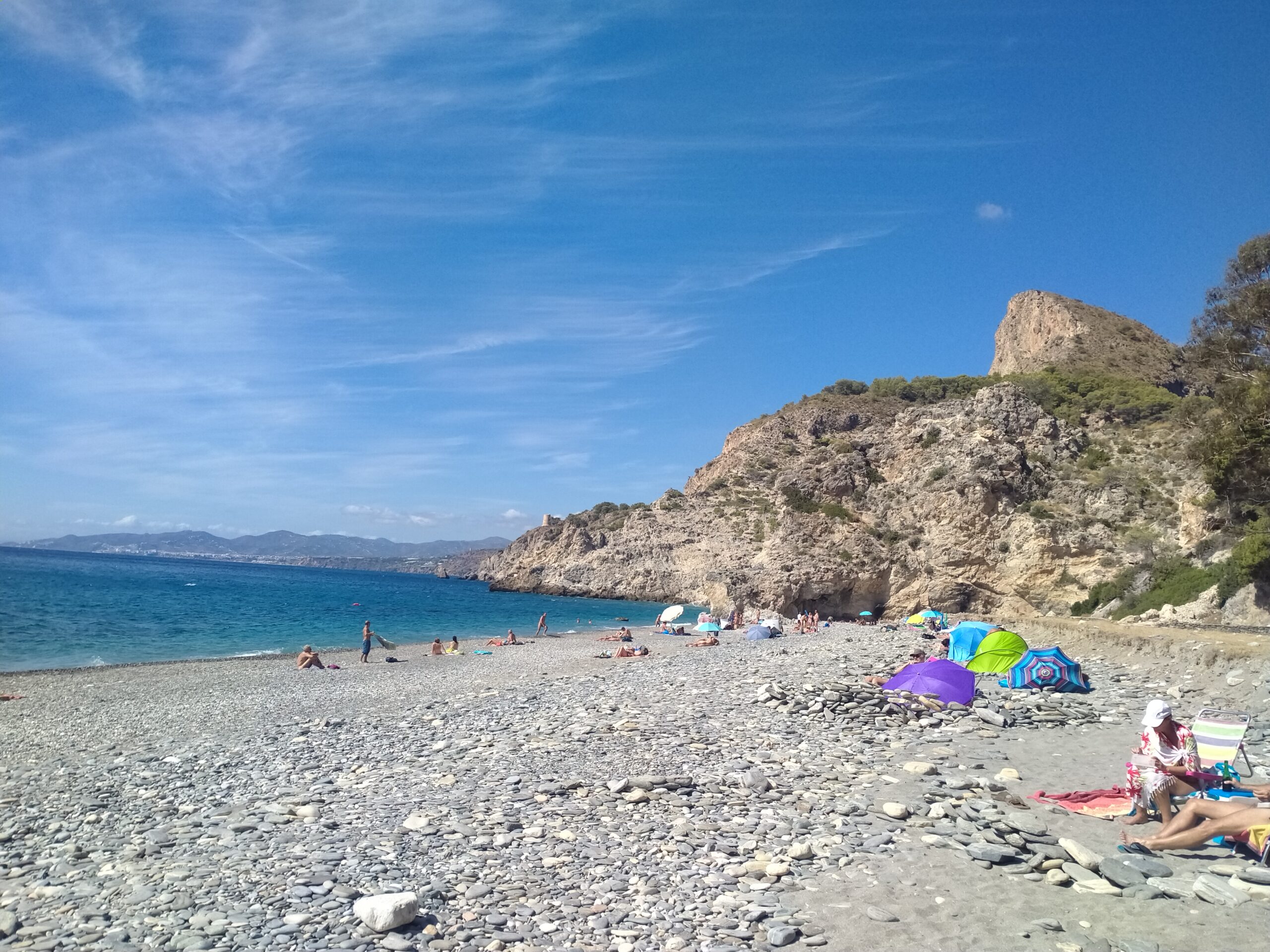
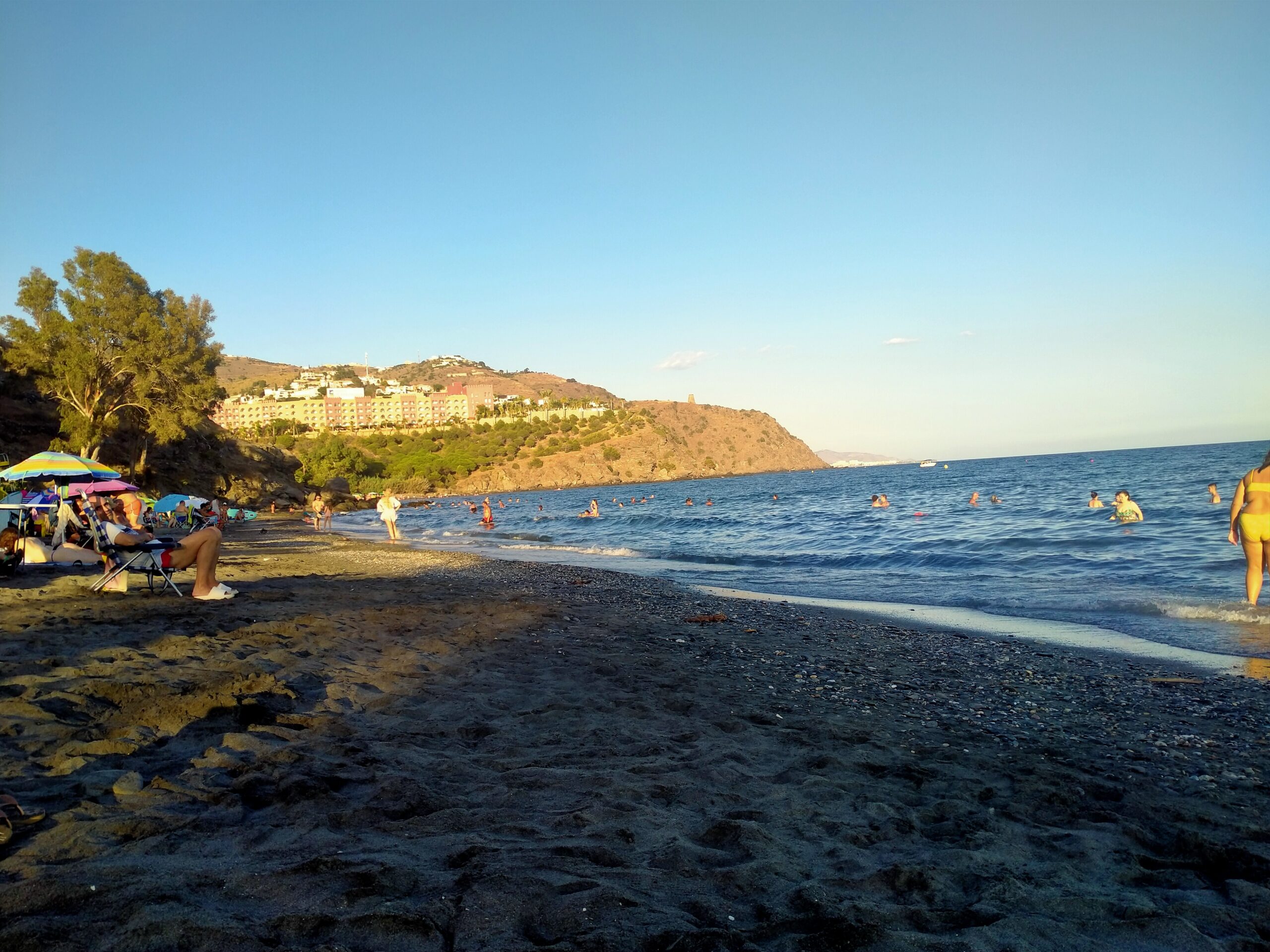
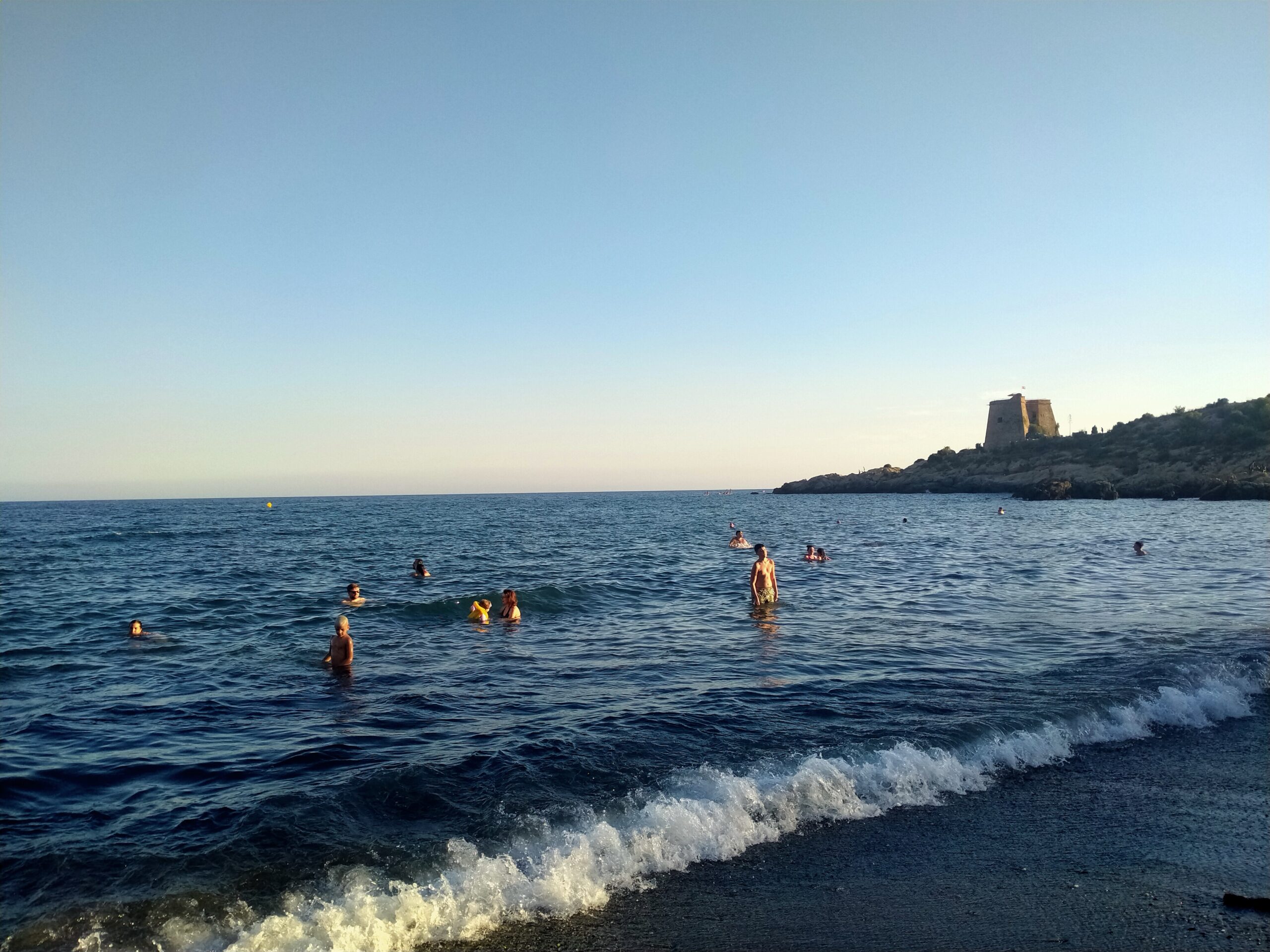
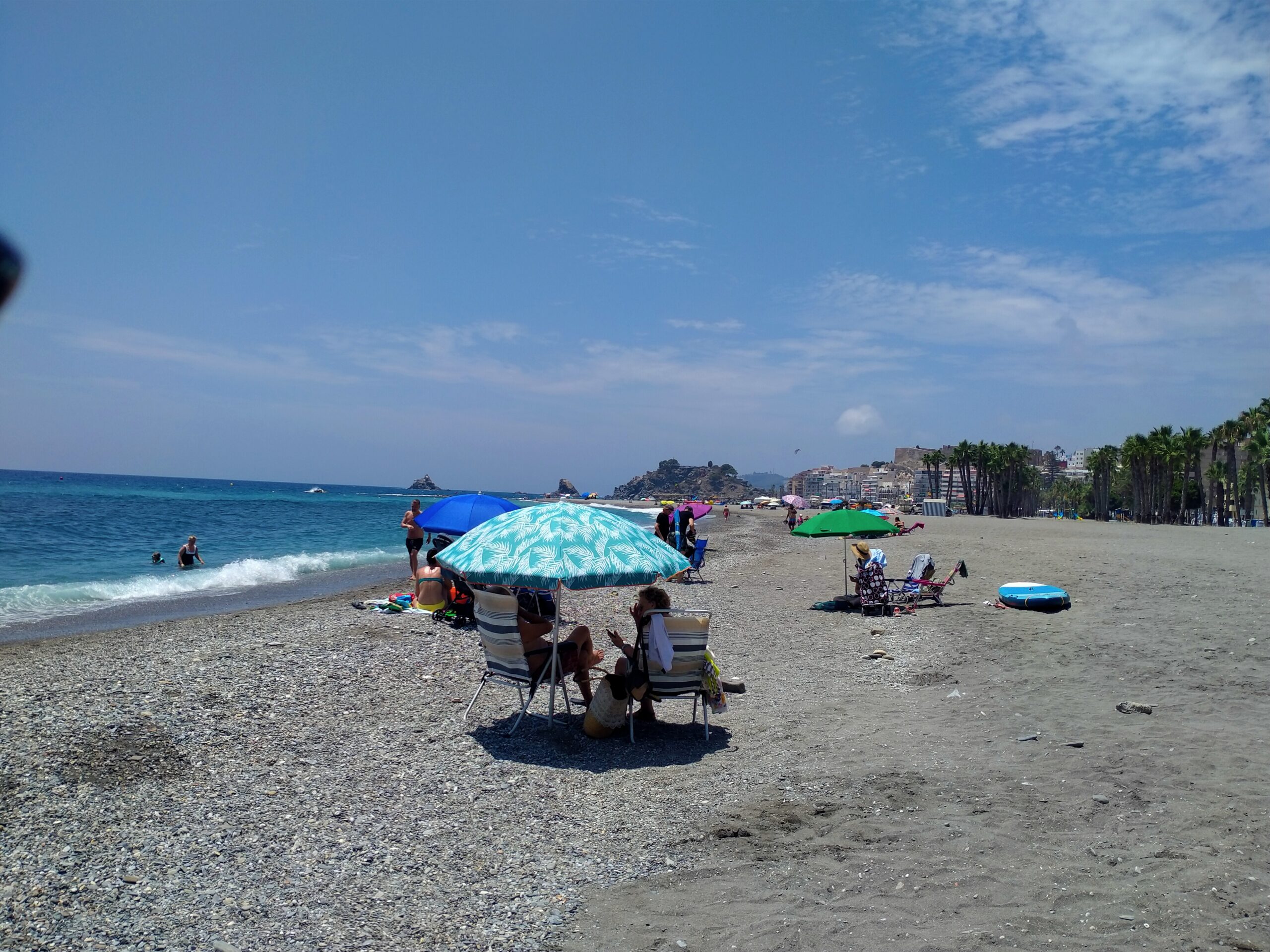
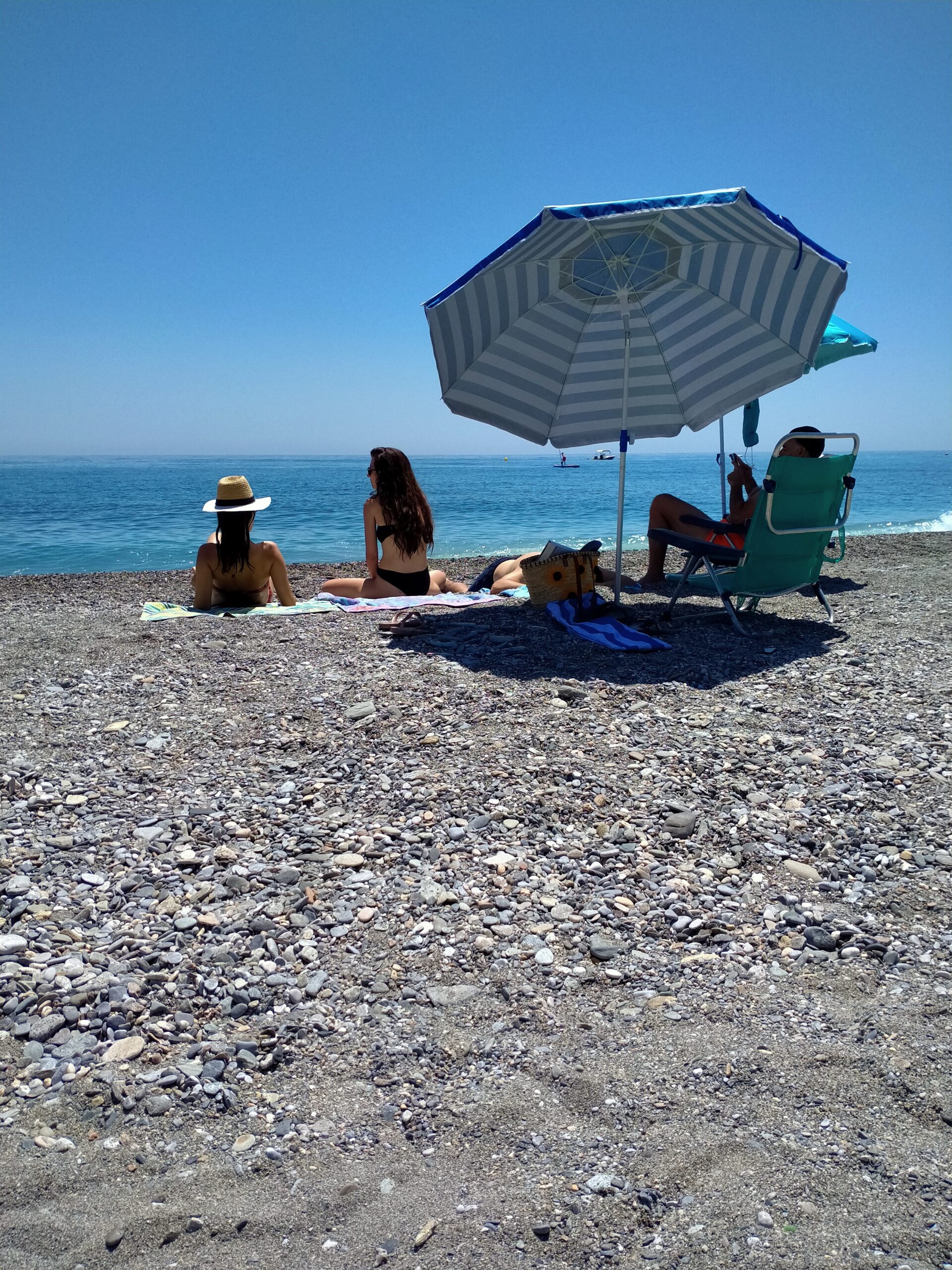
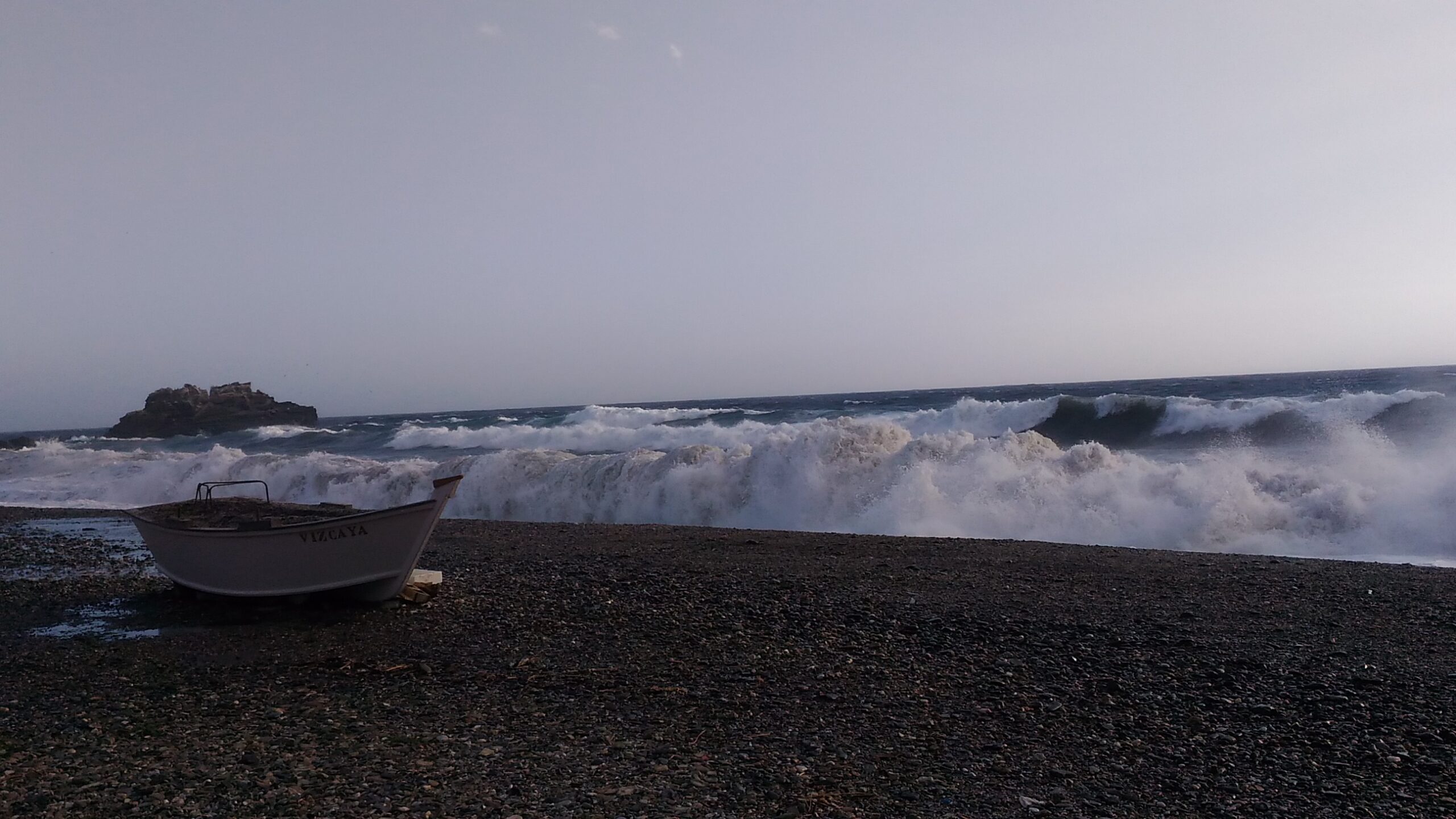
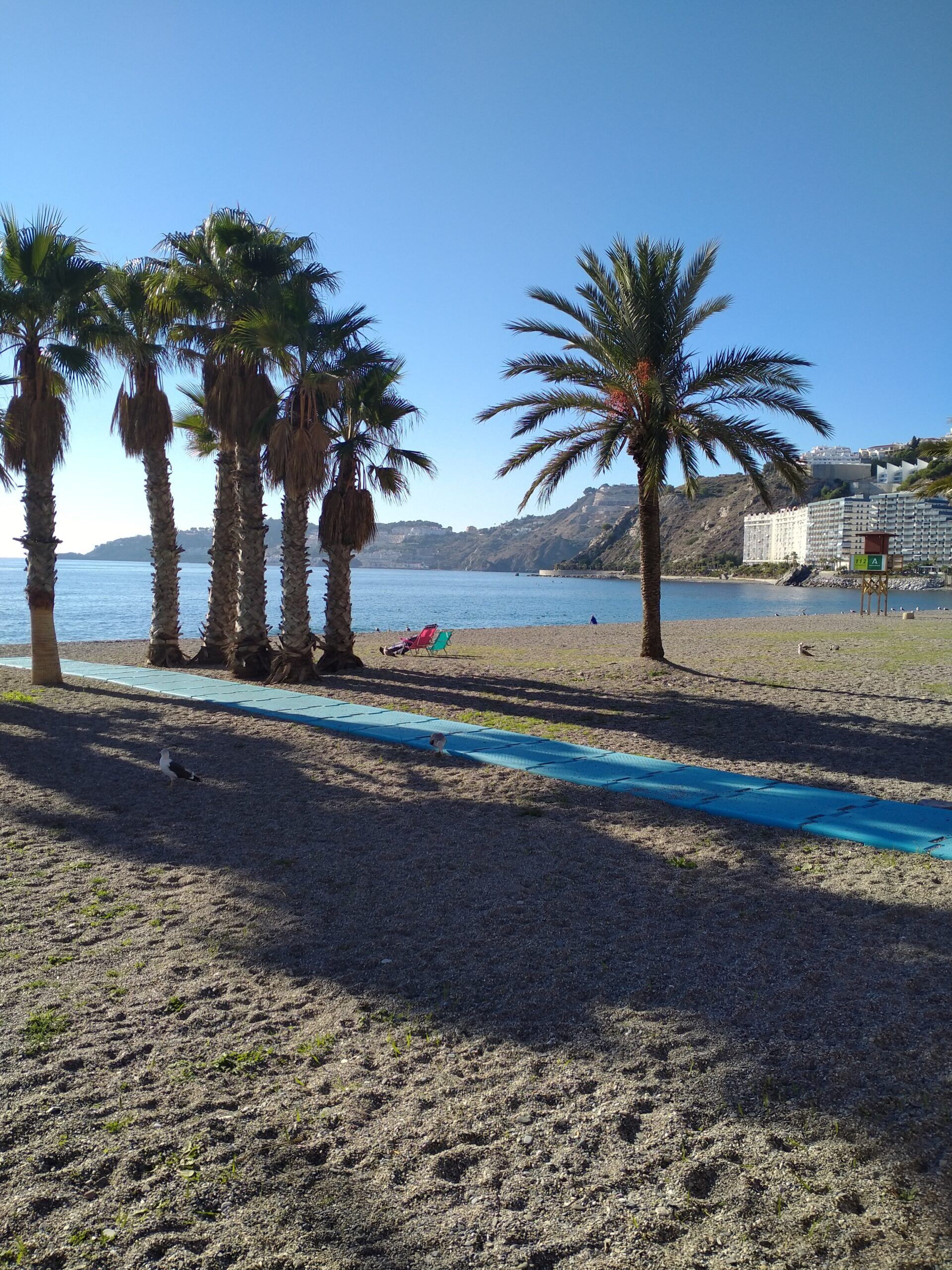
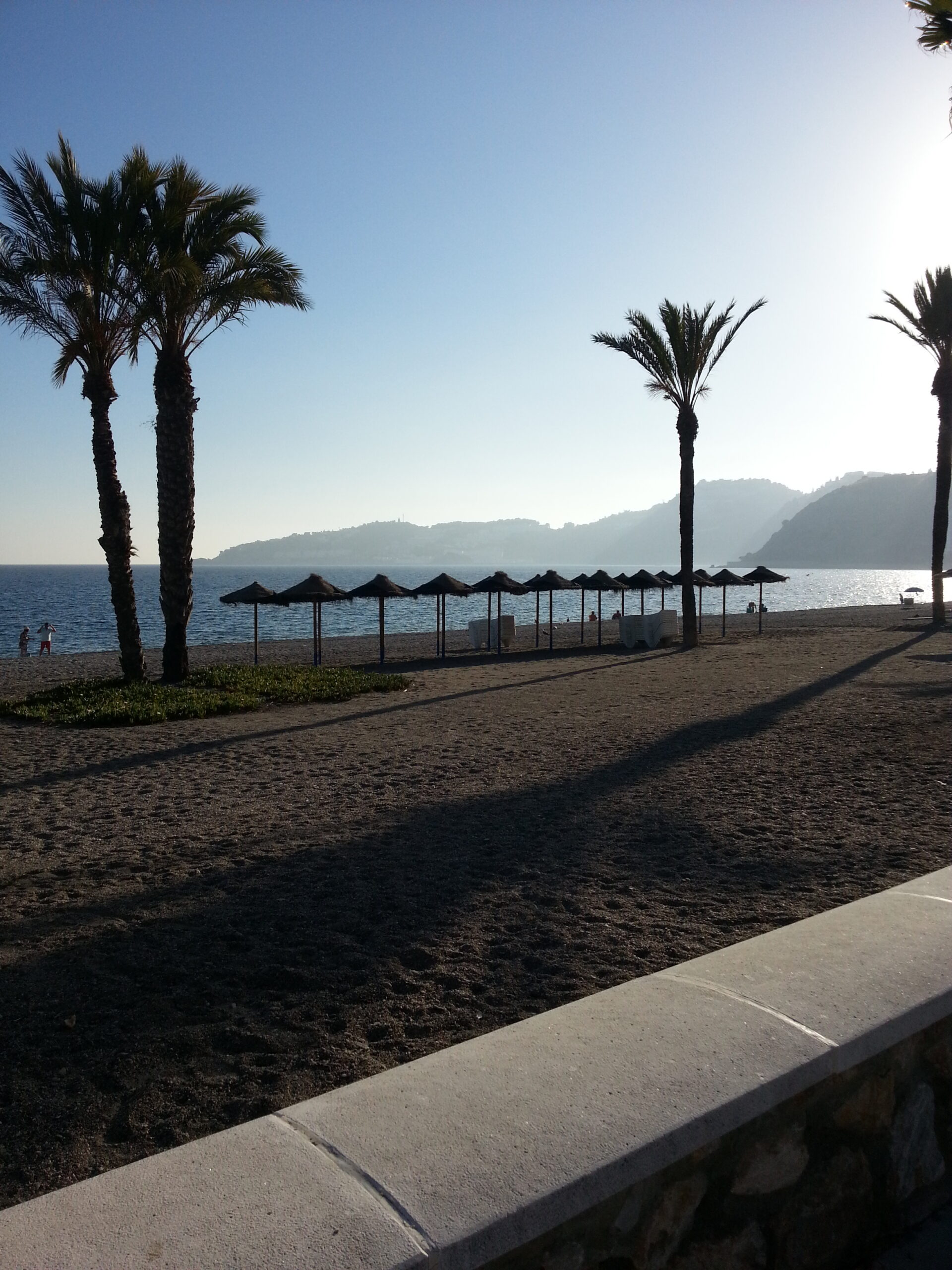
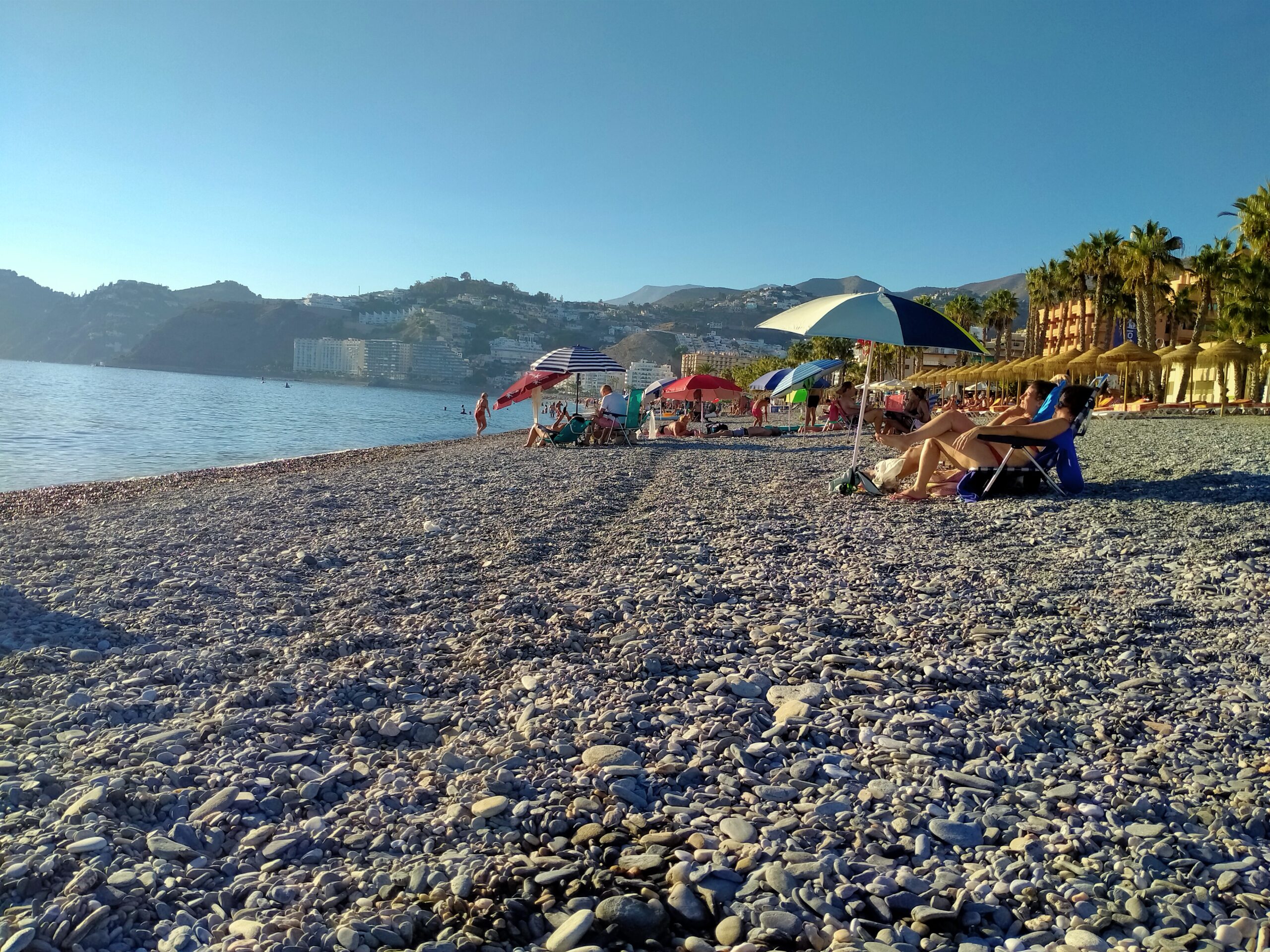
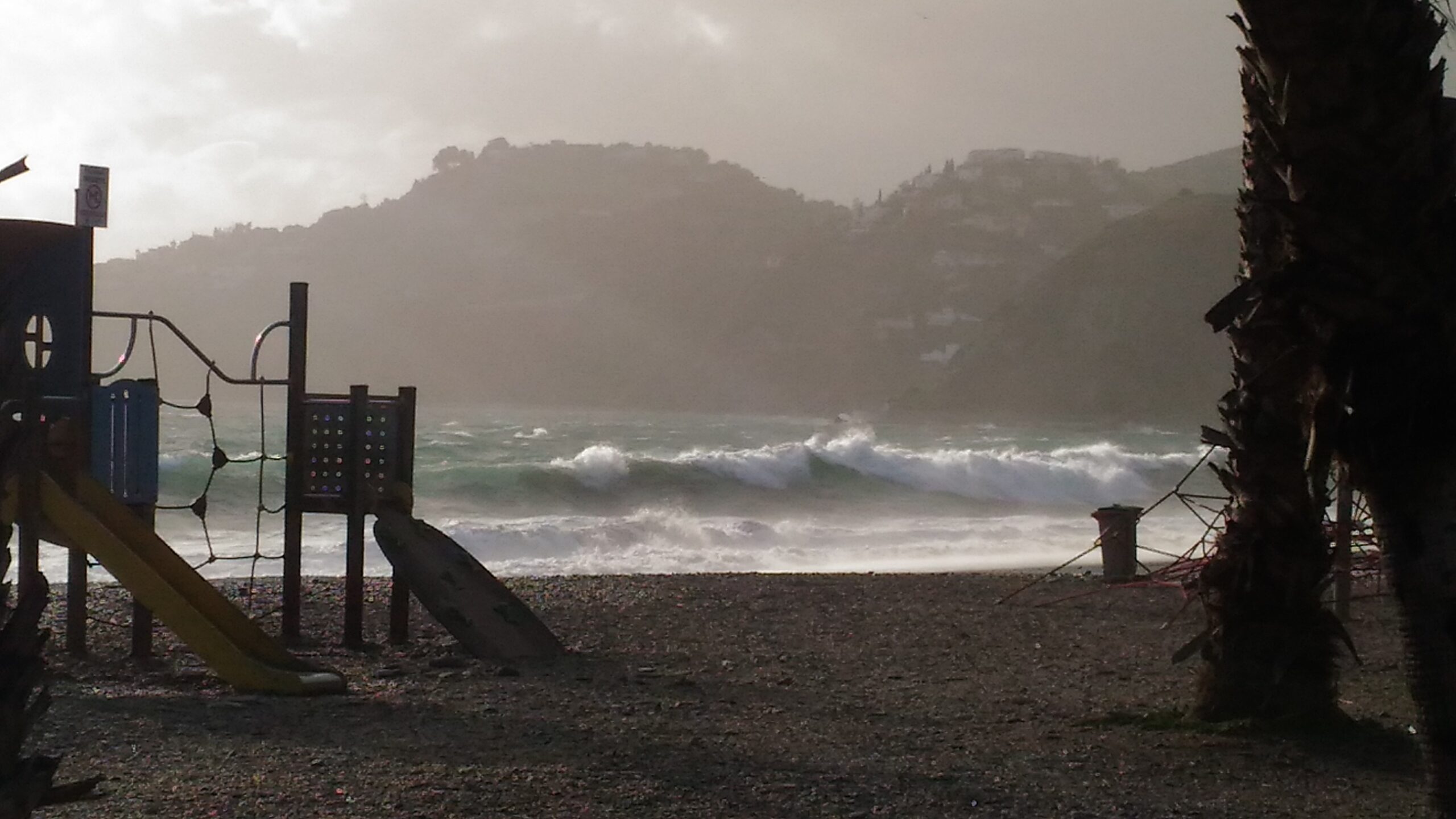
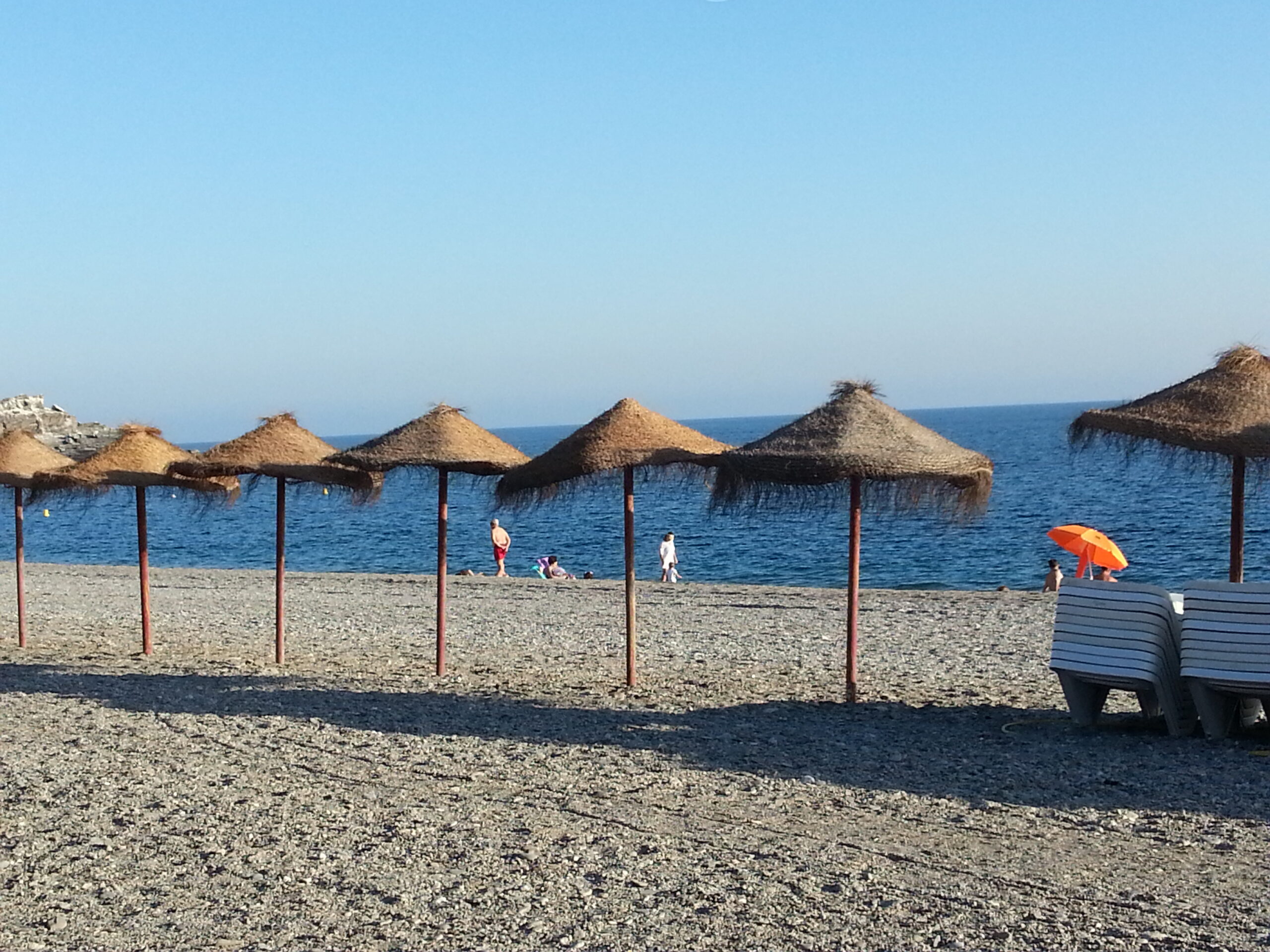
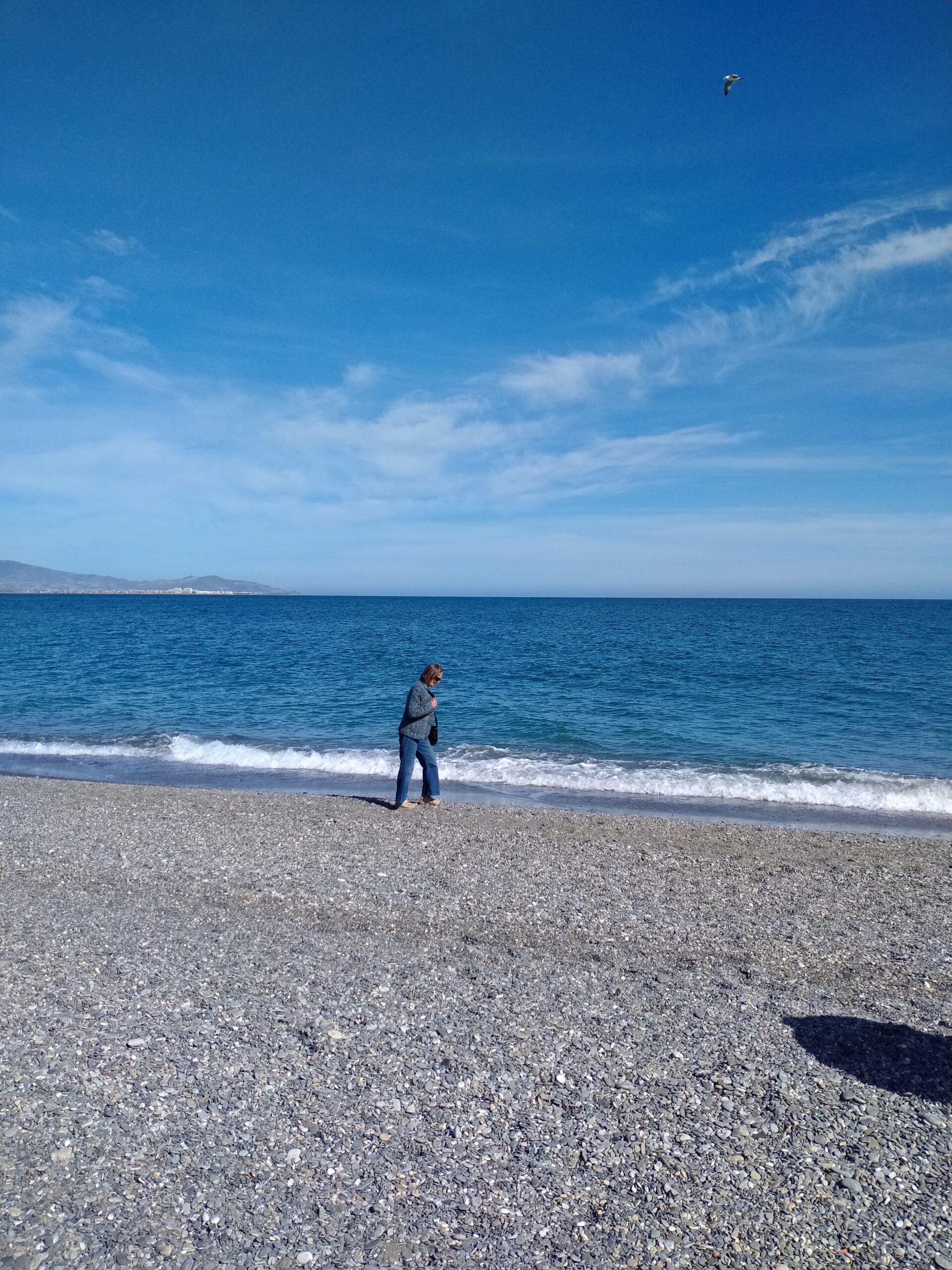
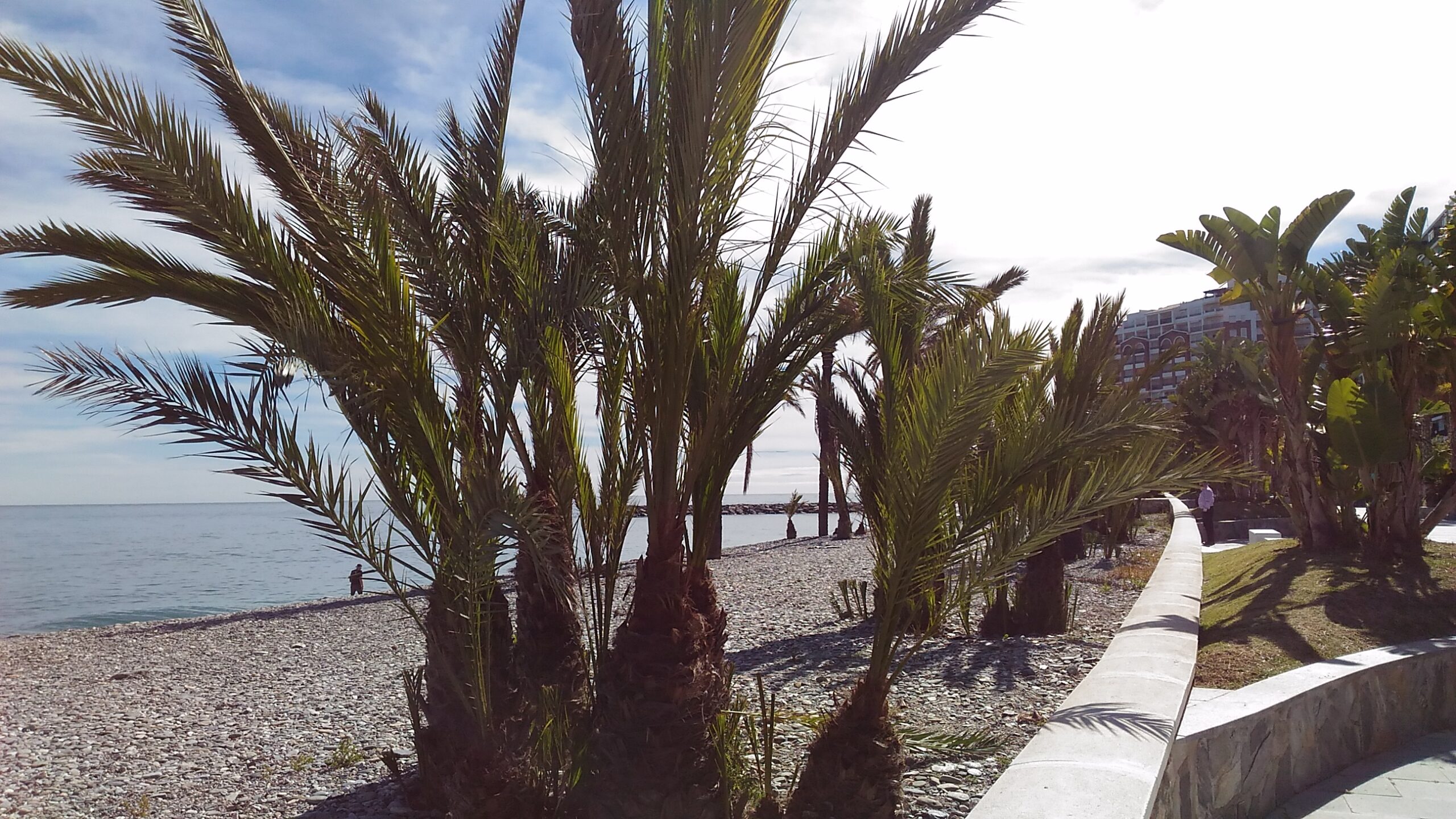
- Beaches: Almuñecar and La Herradura have a total of 19 km various beaches, there is something for everyone. Playa San Cristobal, Playa de Cotobro, Playa de Velilla, and La Herradura Bay are perfect for swimming, sunbathing, water sports, and diving. Playa Pozuelo and Calabajío: ideal for small children, Playa de Cantarijan in the natural reserve Acantilados de Cerro Gordo: extensive nudist beach.
- La Herradura and Punta de la Mona: diving centers, a unique seabed reserve in Europe, which attracts the best divers every year, offers PADI courses and numerous sea trips.
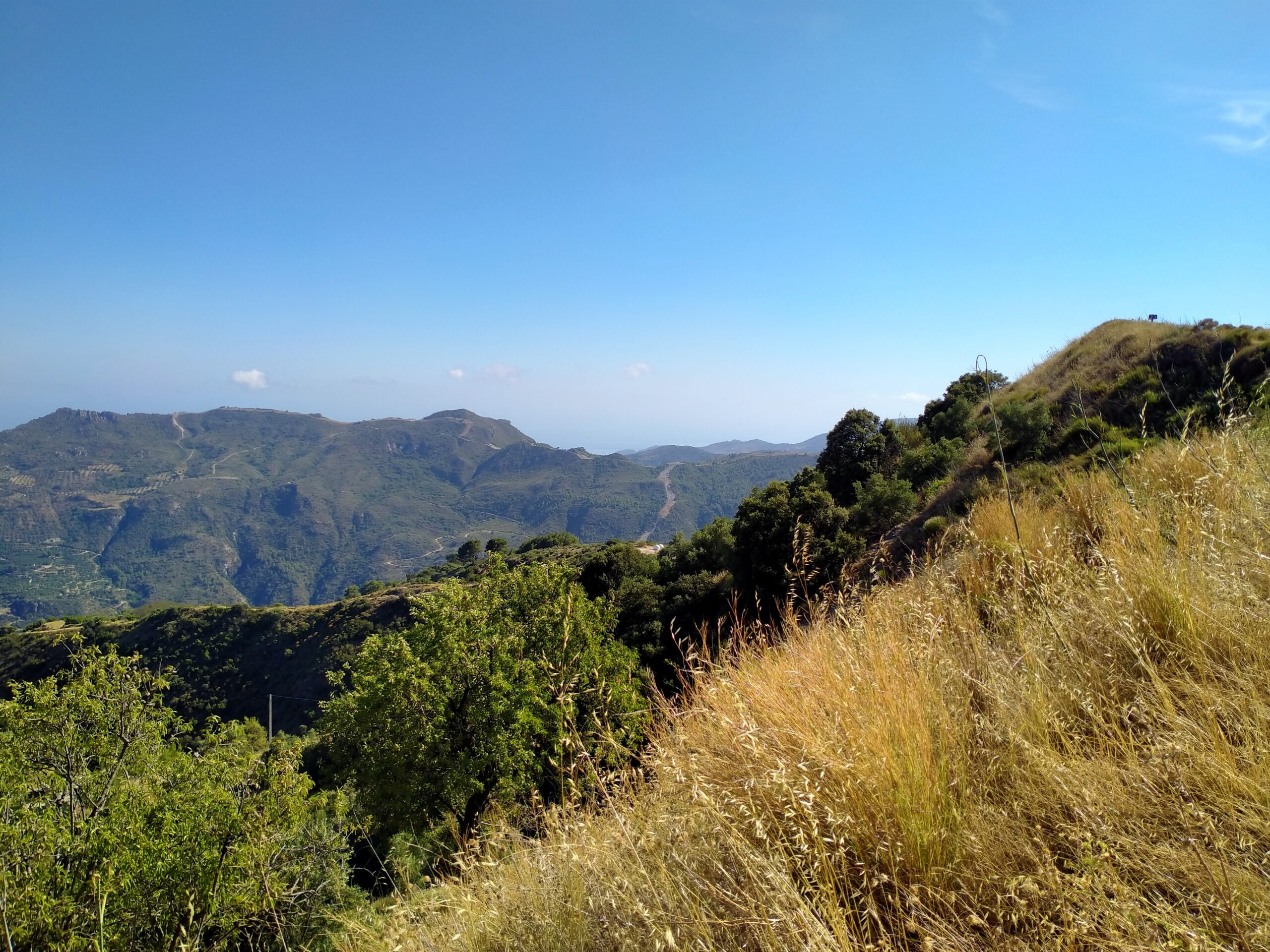
- Otivar, Jete and Lentegi, “pueblos blancos”, starting points for hiking, paragliding and cycling.
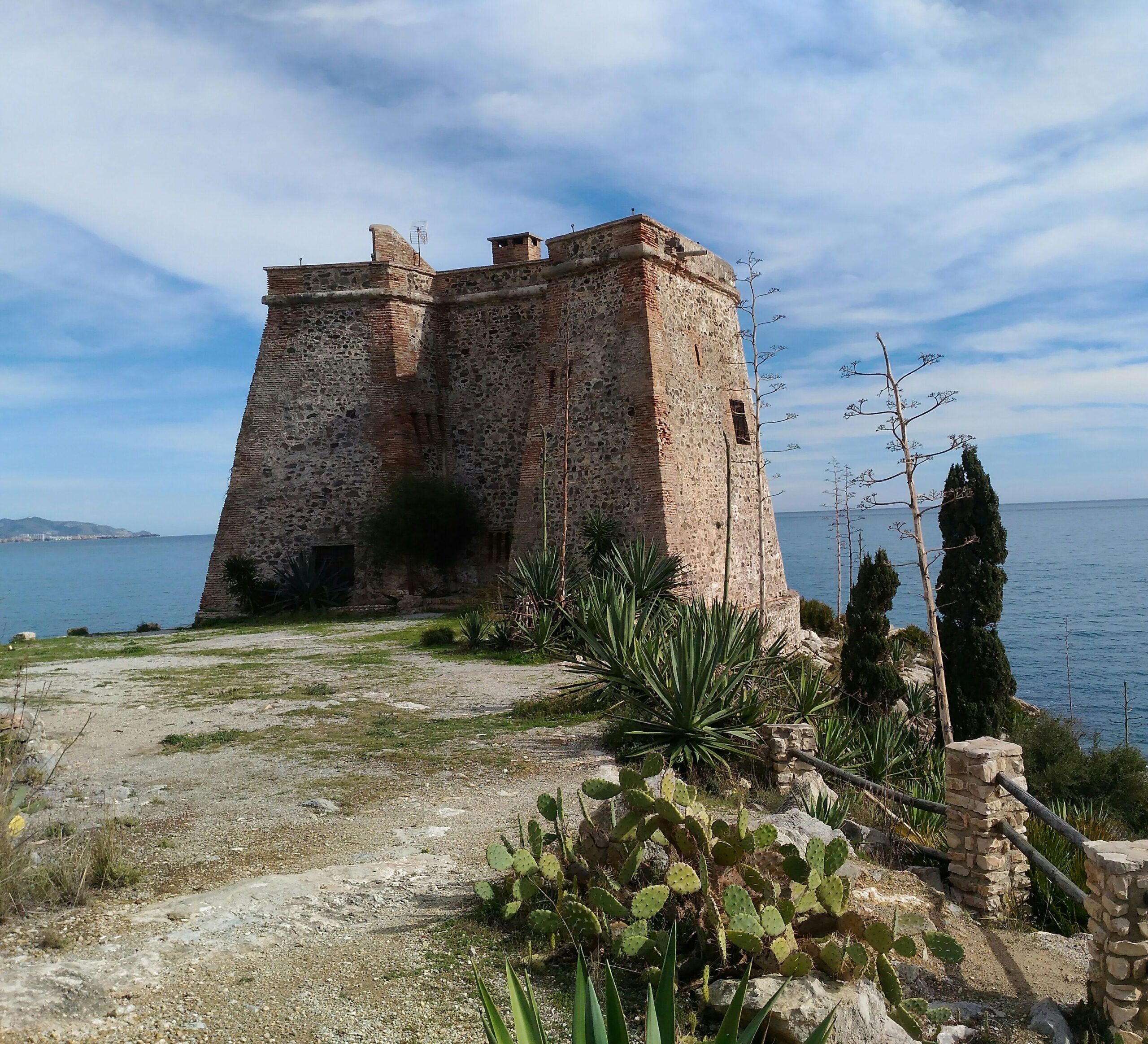
- Salobrena: “pueblo blanco”, fortress sourranded by ld time district “albaicín” situated on a spectacular rock.
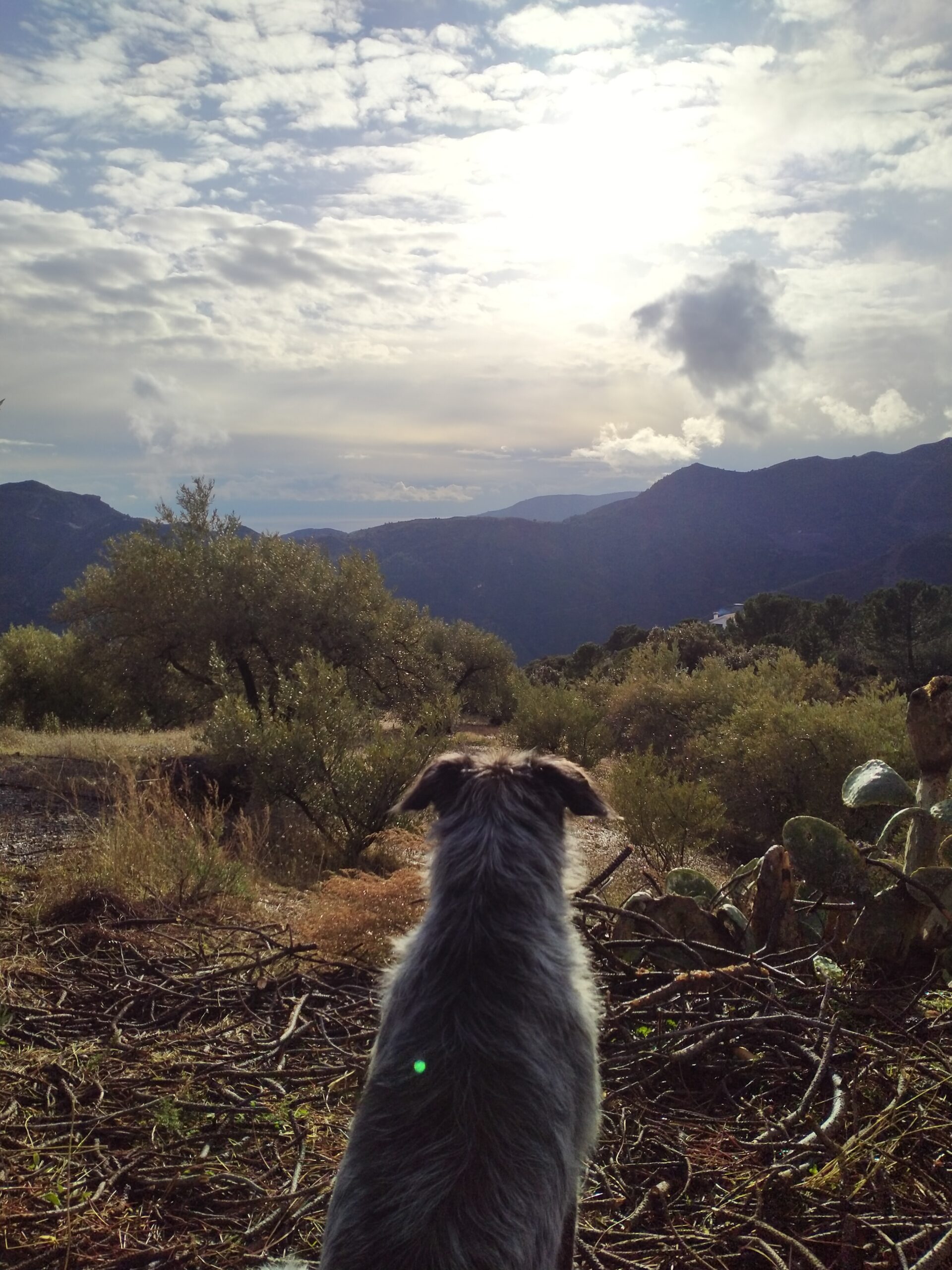
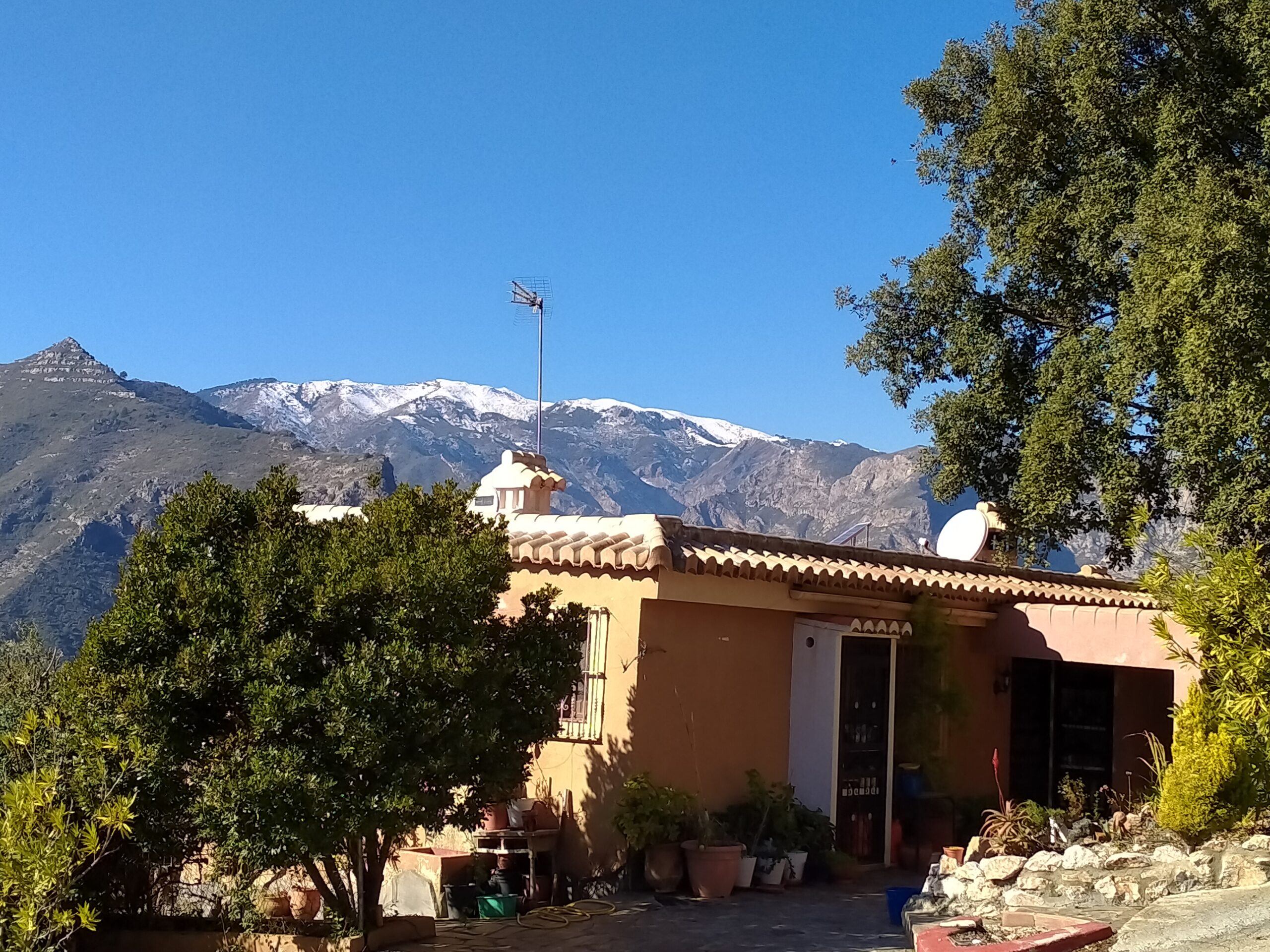
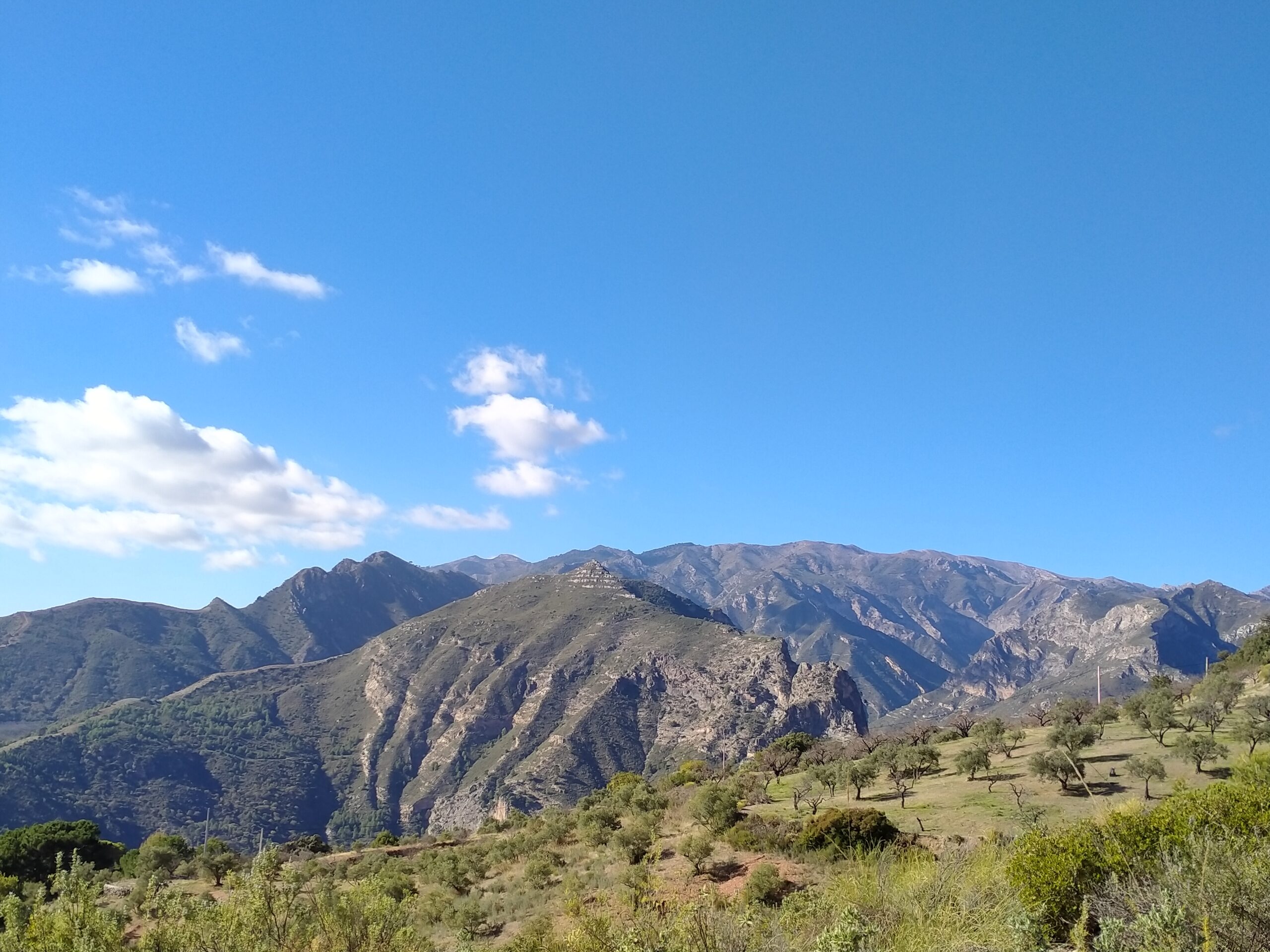
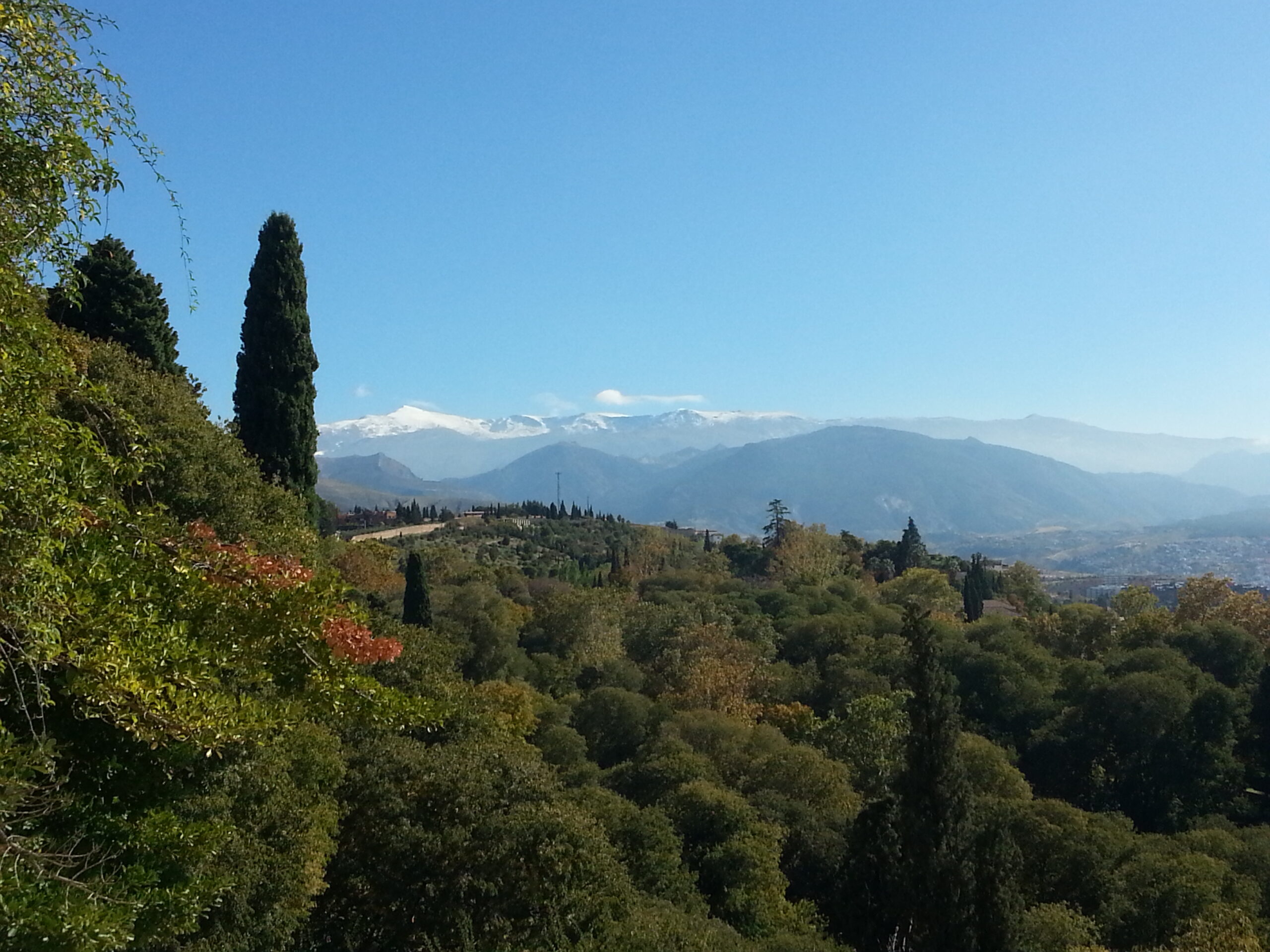
- National Reserve Sierra Nevada and the Alpujarra region: mountain trails to the highest peak of the Iberian Peninsula Mulhacén (3,479 m above sea level) and Pico Veleta (3,396 m above sea level) as well as routes through the historic towns situated on their slopes, known for an extraordinary landscapes.
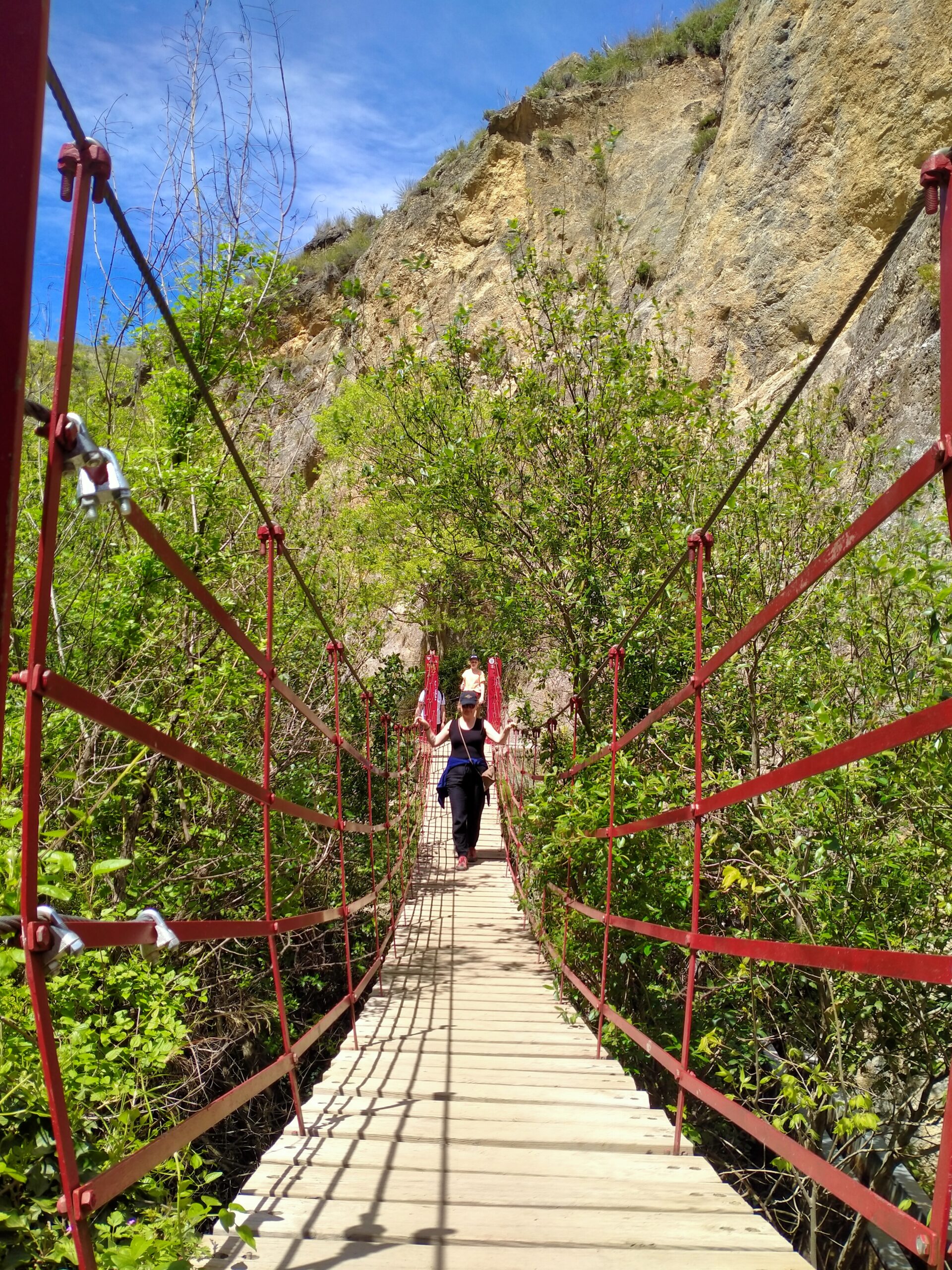
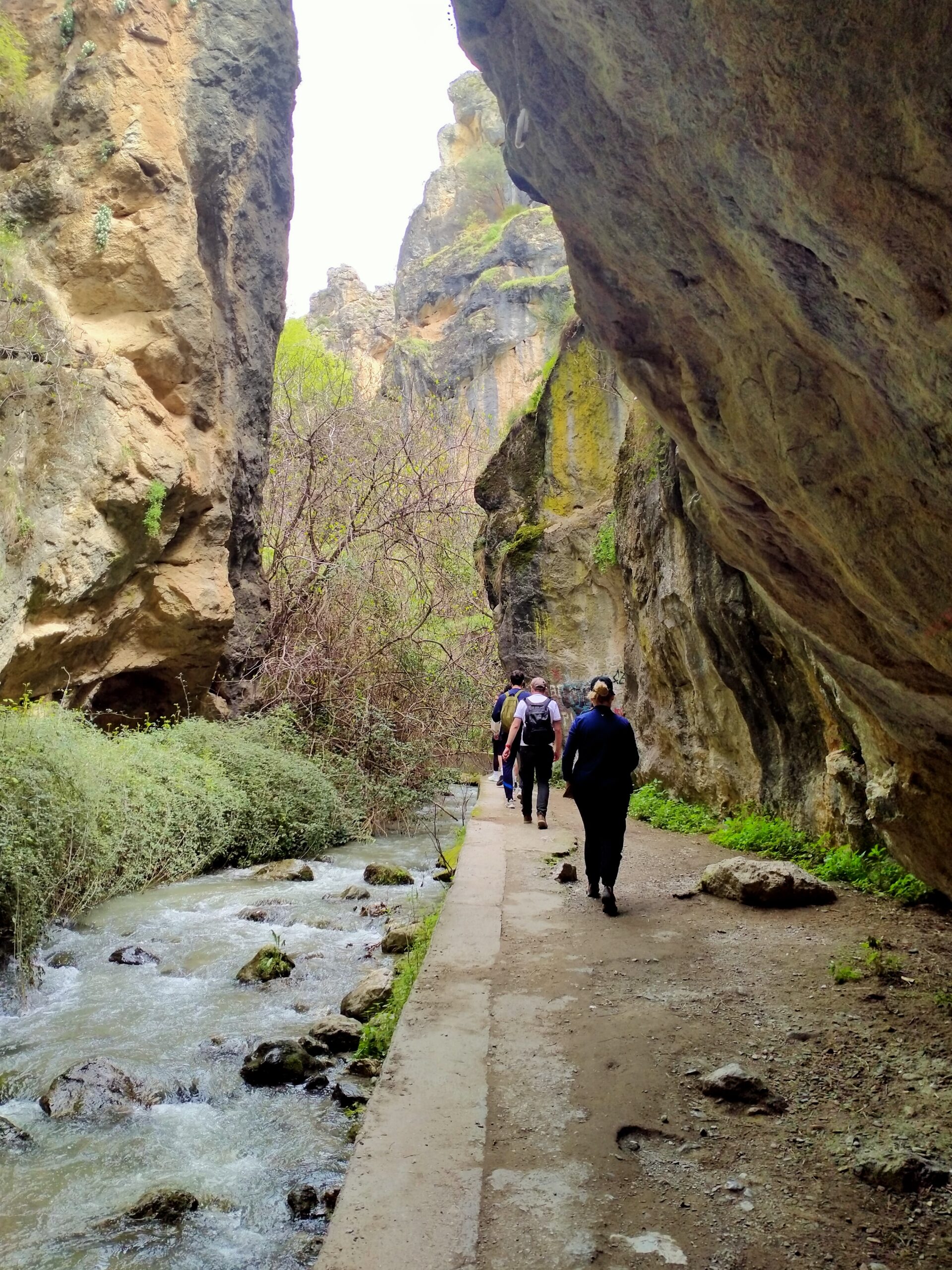
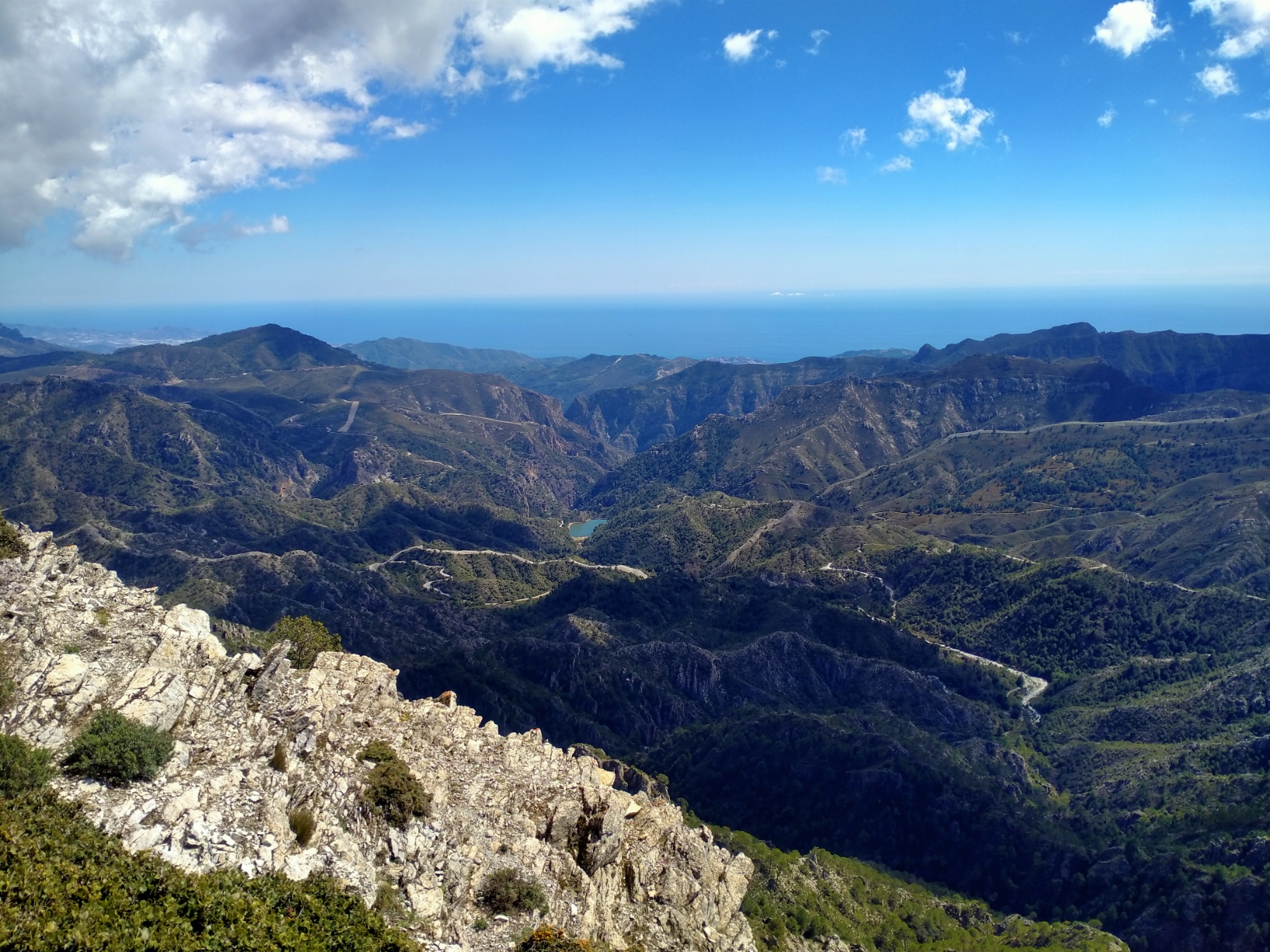
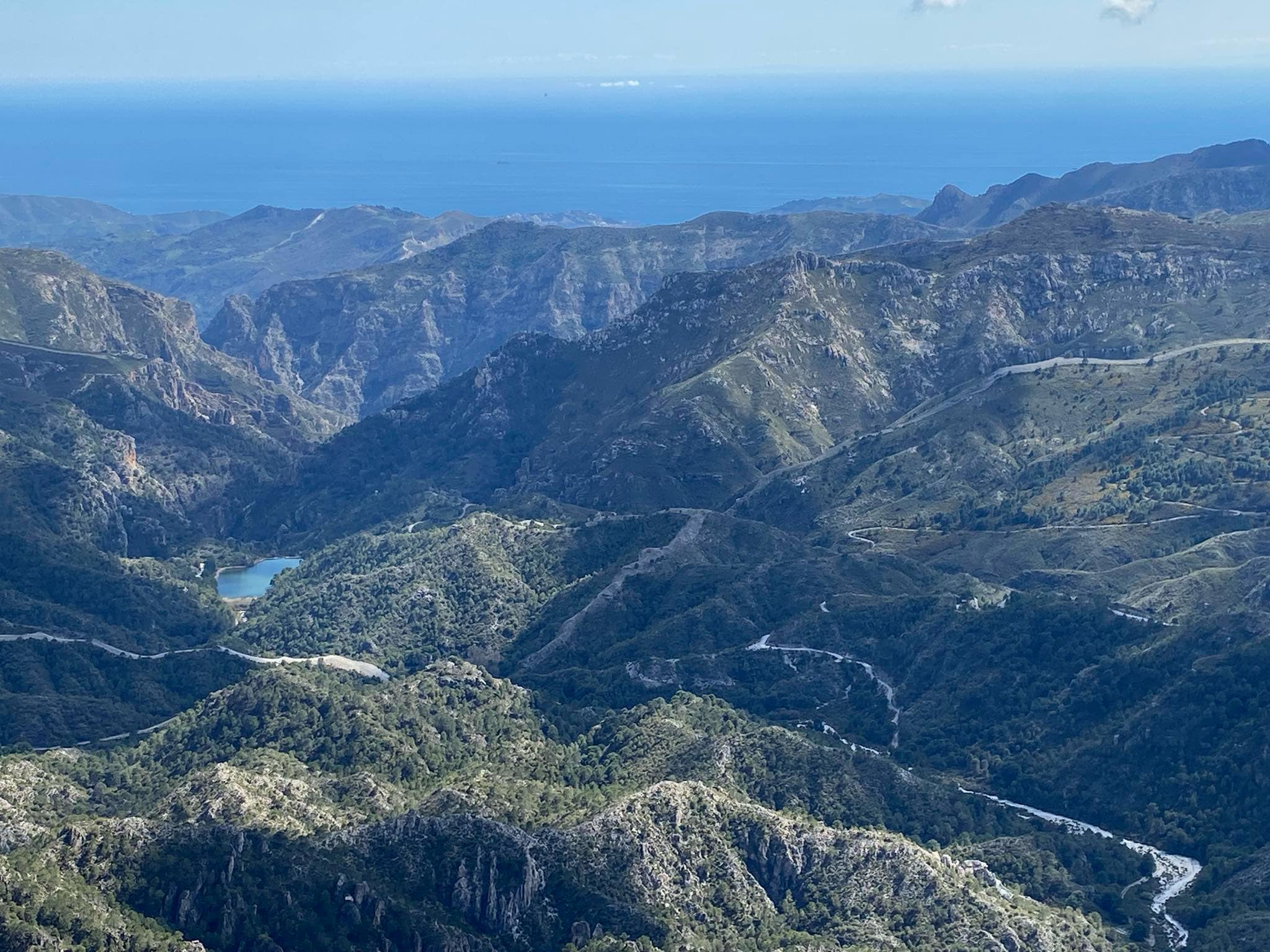
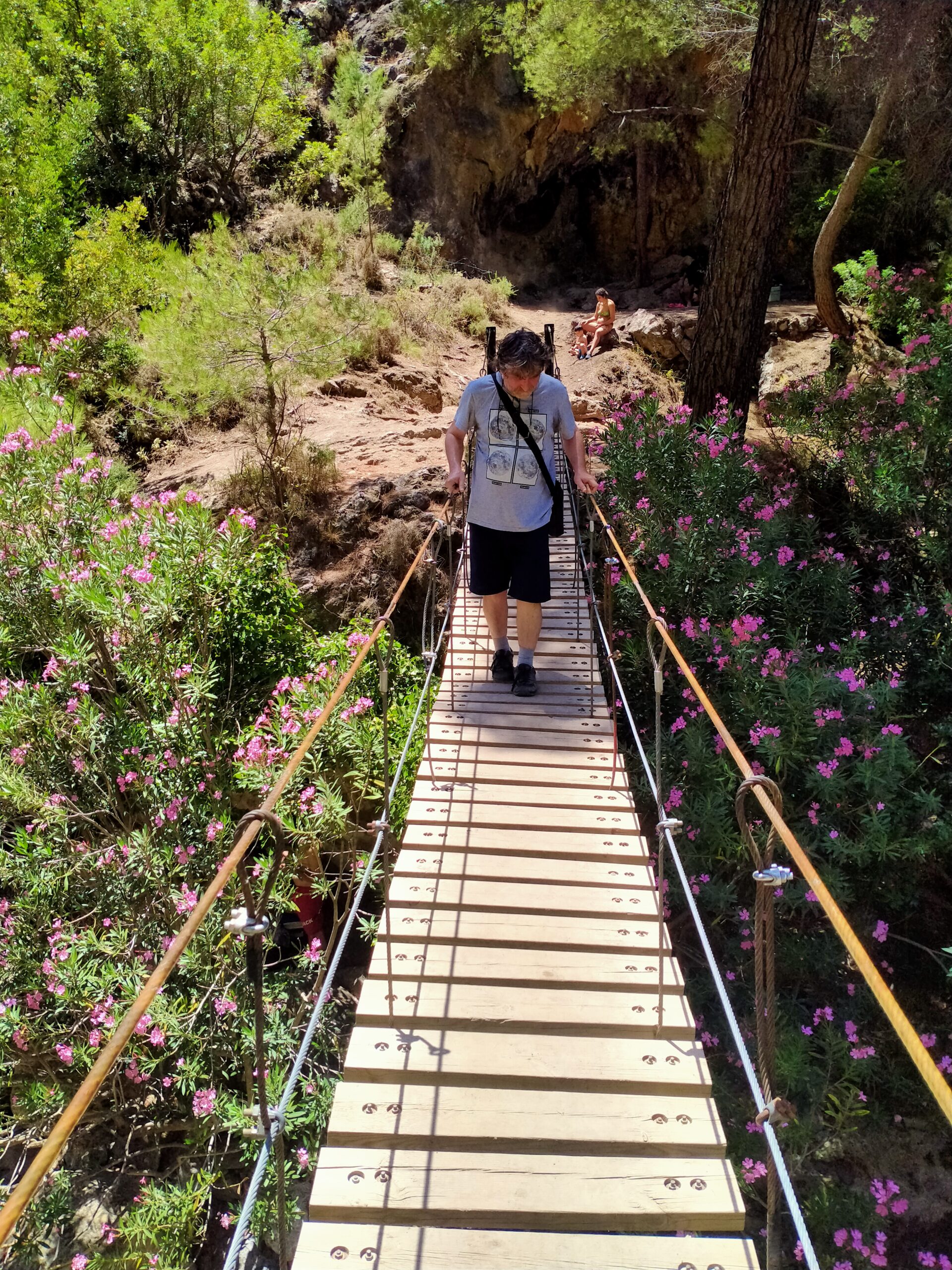
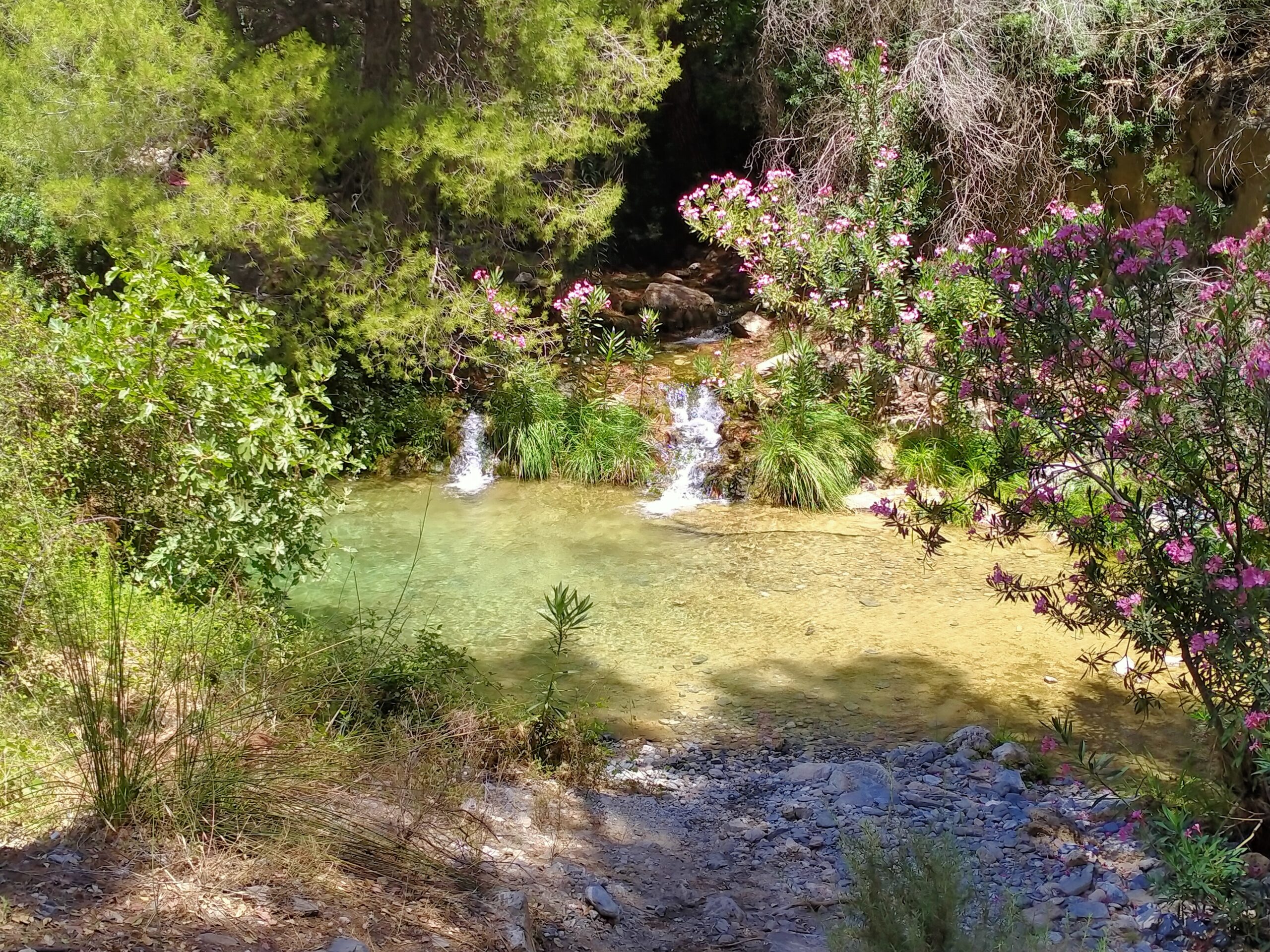
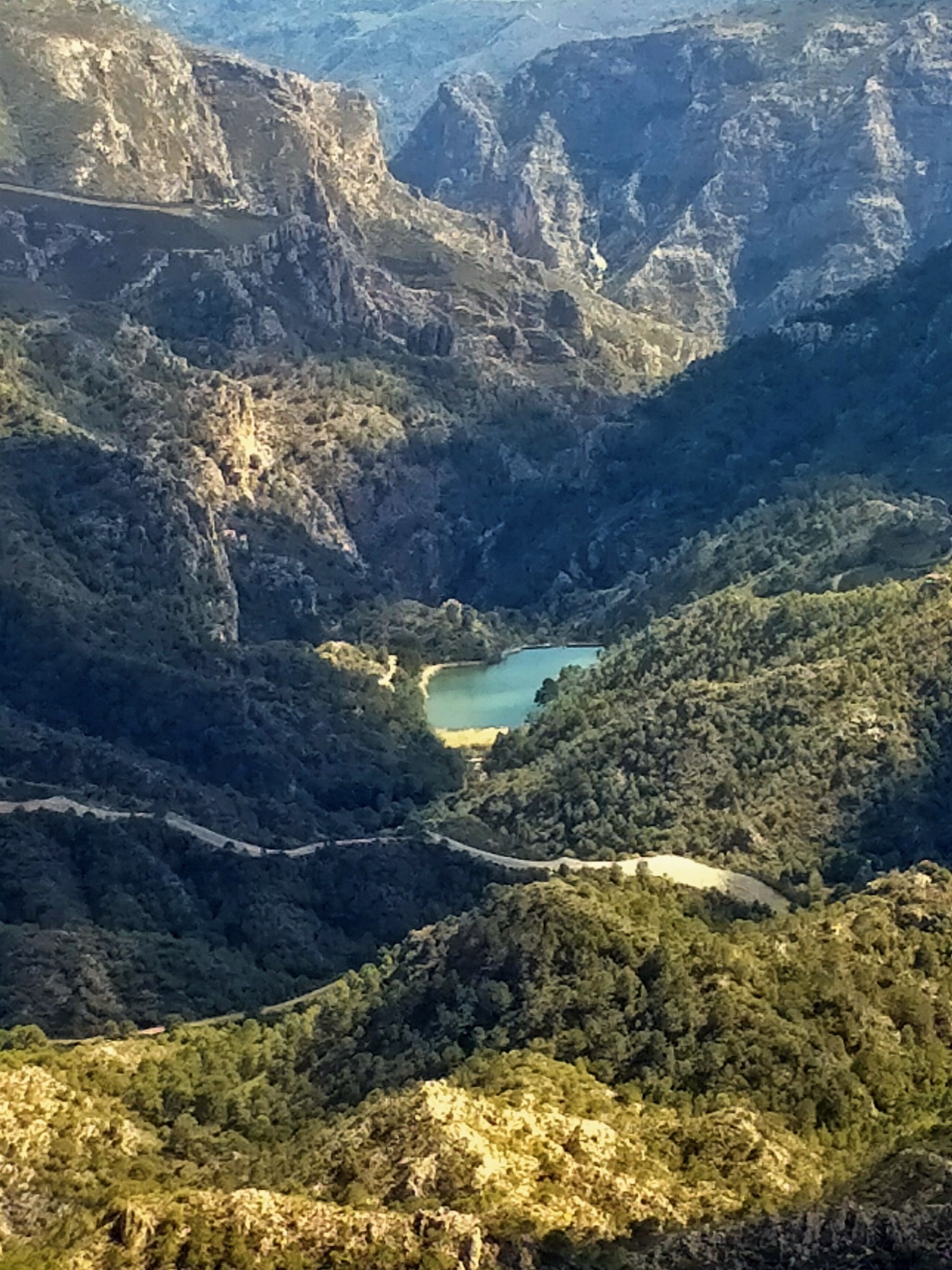
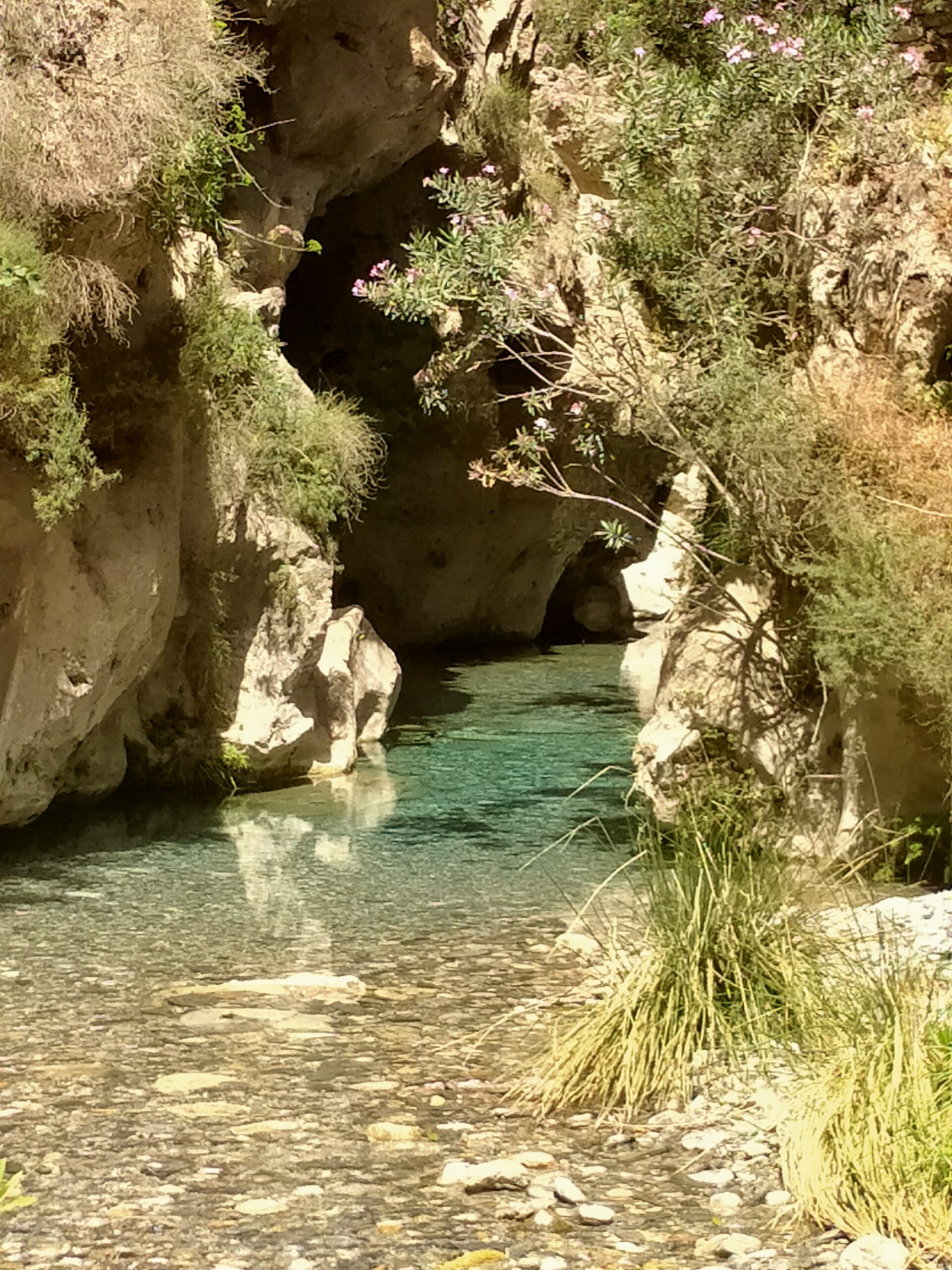
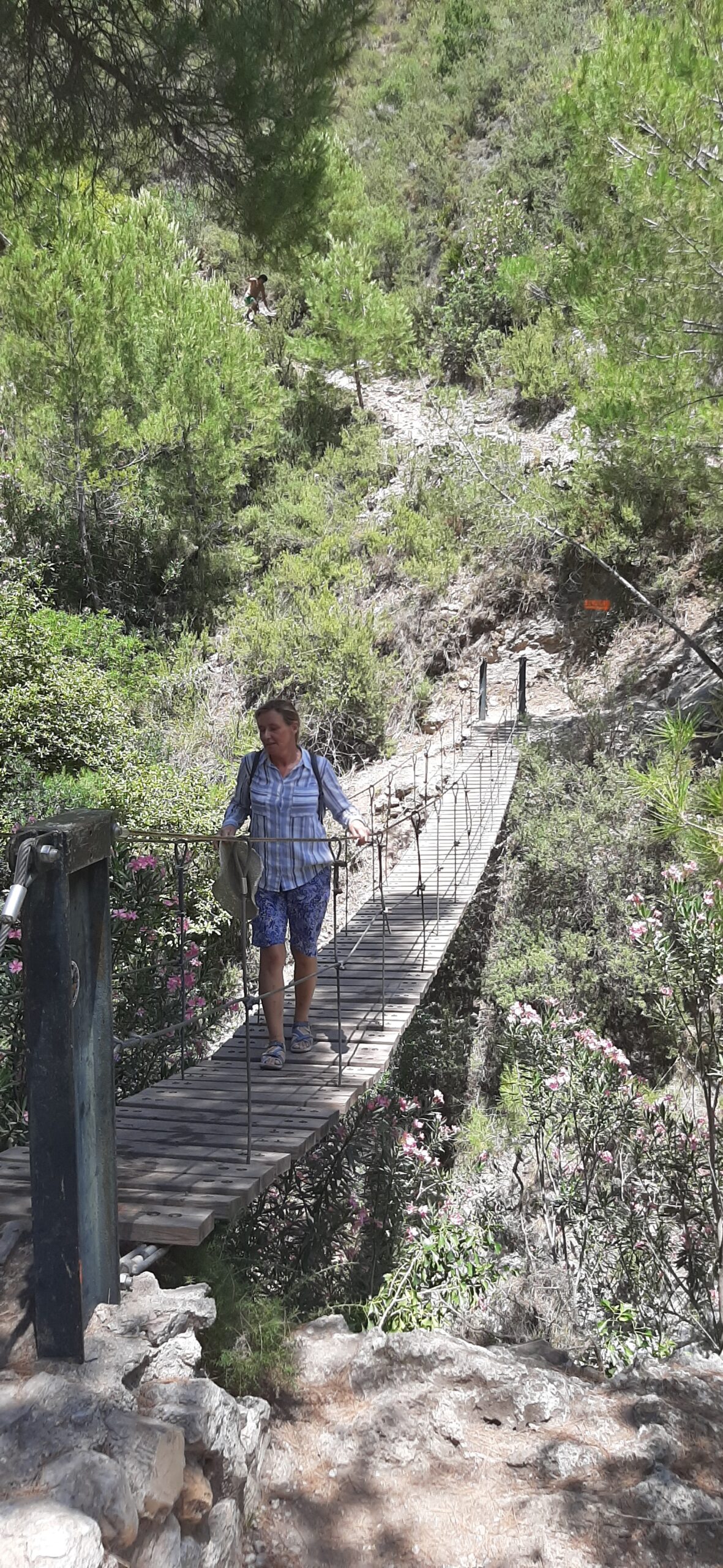
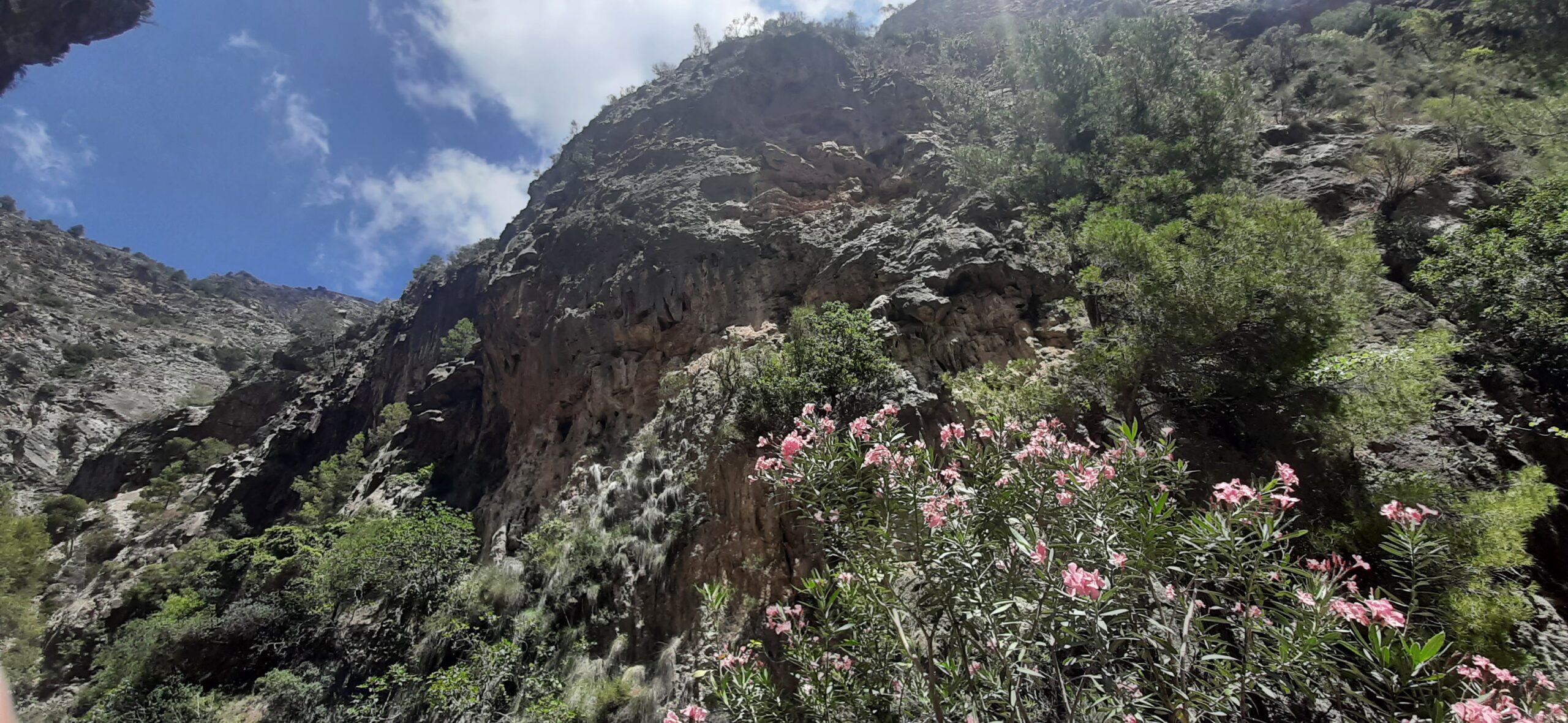
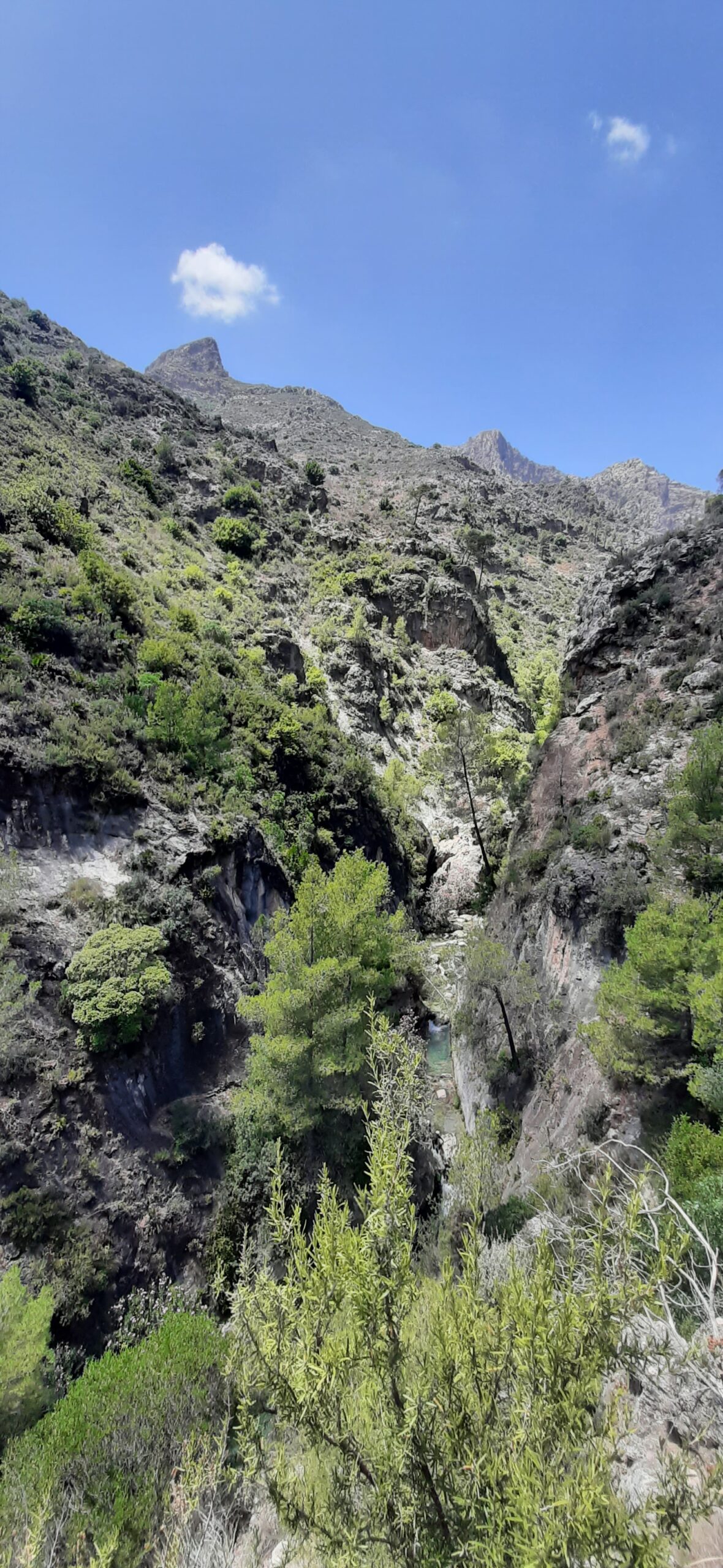
- National Reserve Sierra de Alhama, Tejeda y Almijara: hiking trails, including a popular hiking and water trail Rio Verde.
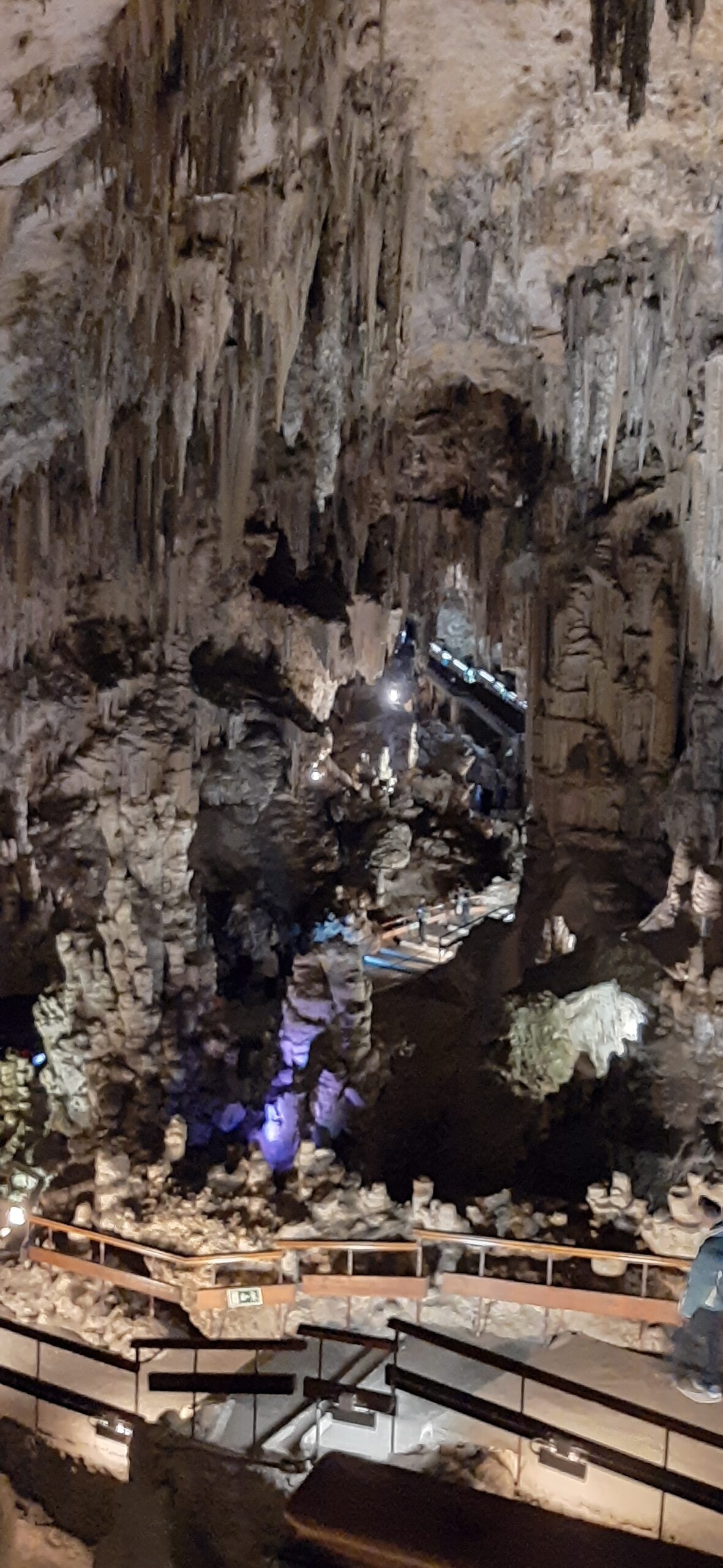
- Cuevas de Nerja: a huge cave, famous for its spectacular rock formations, including one of the world’s largest stalagmites, with archaeological remains of human activity from the Paleolithic period to the Bronze Age.
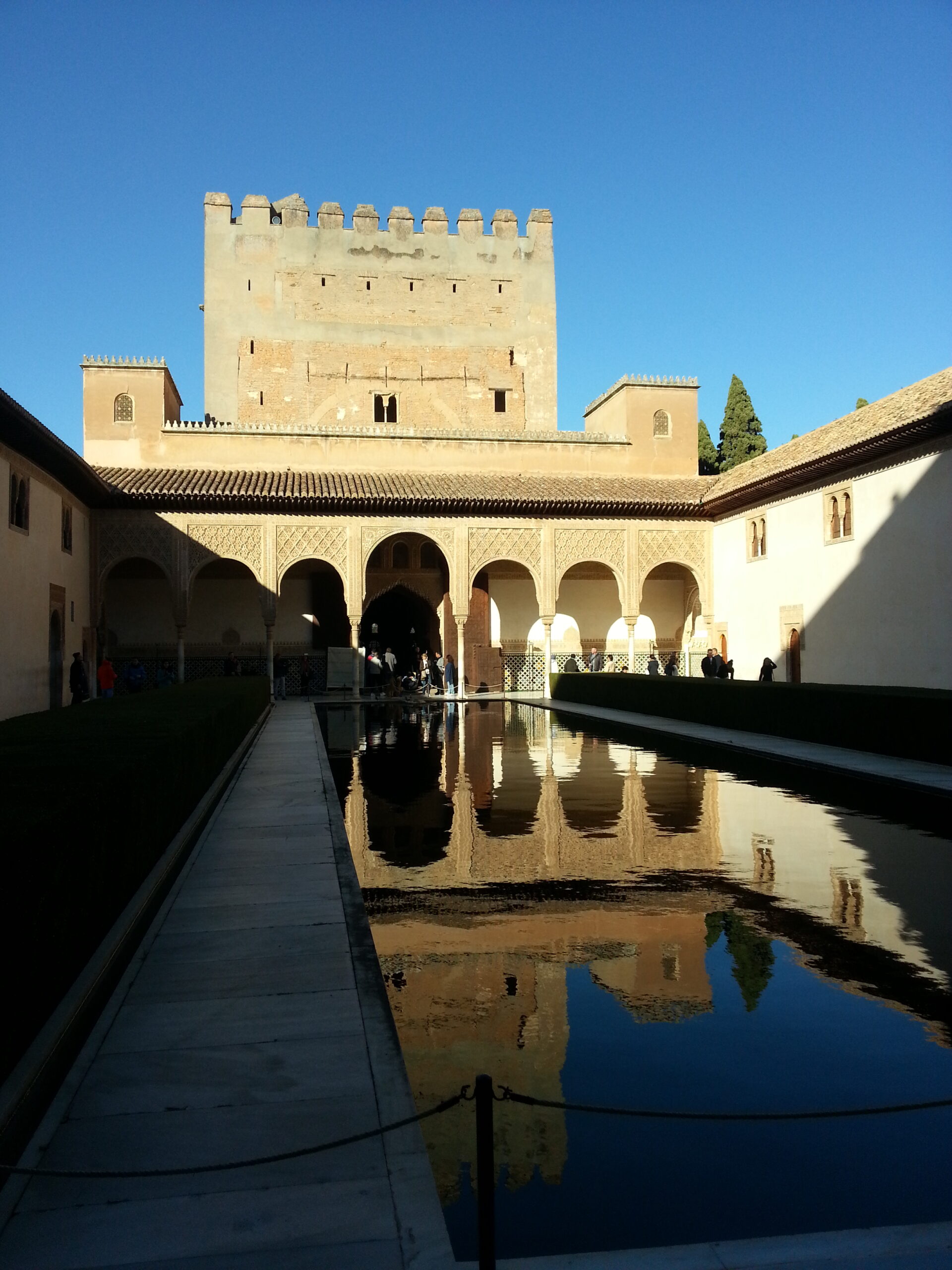
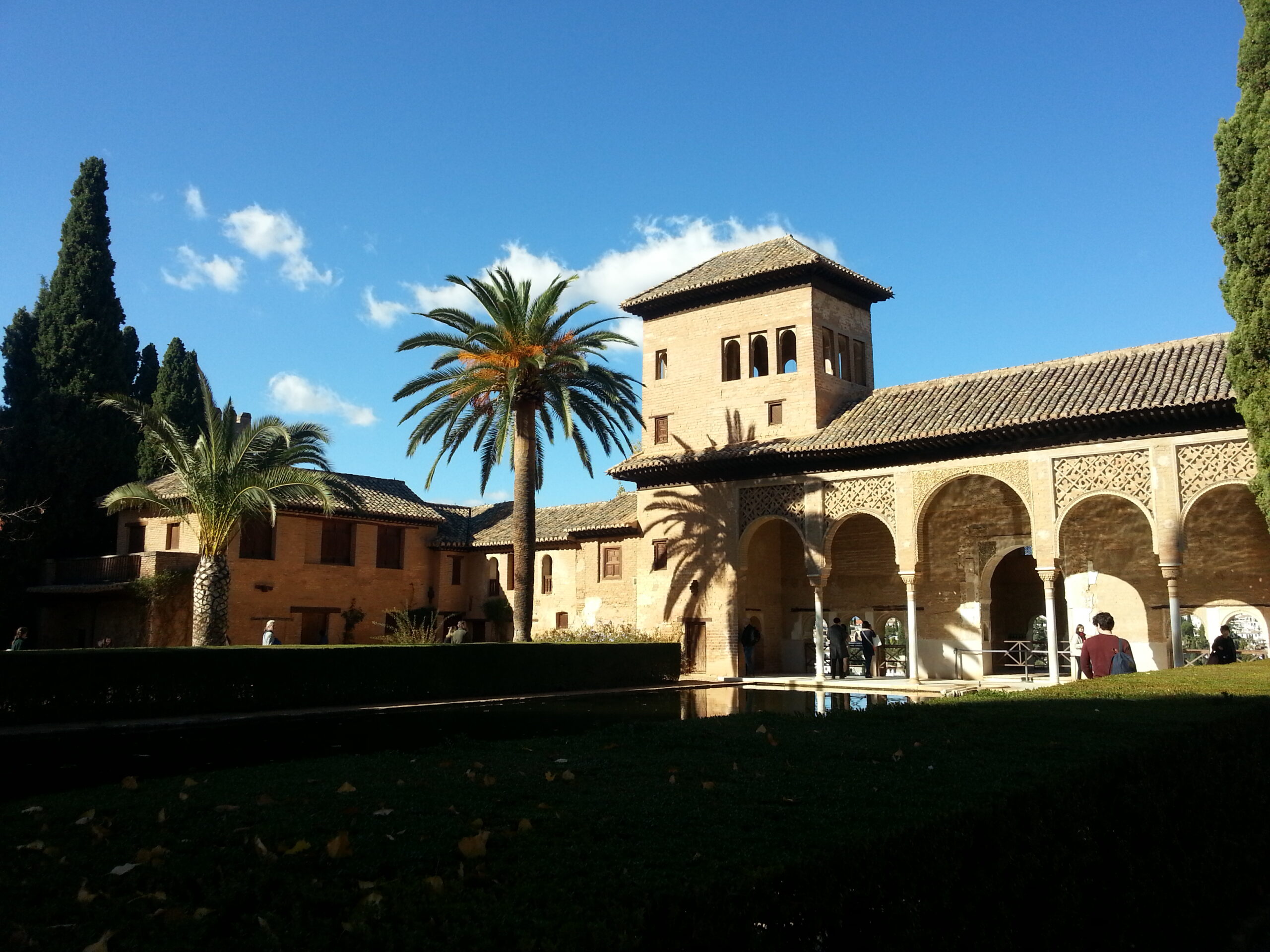
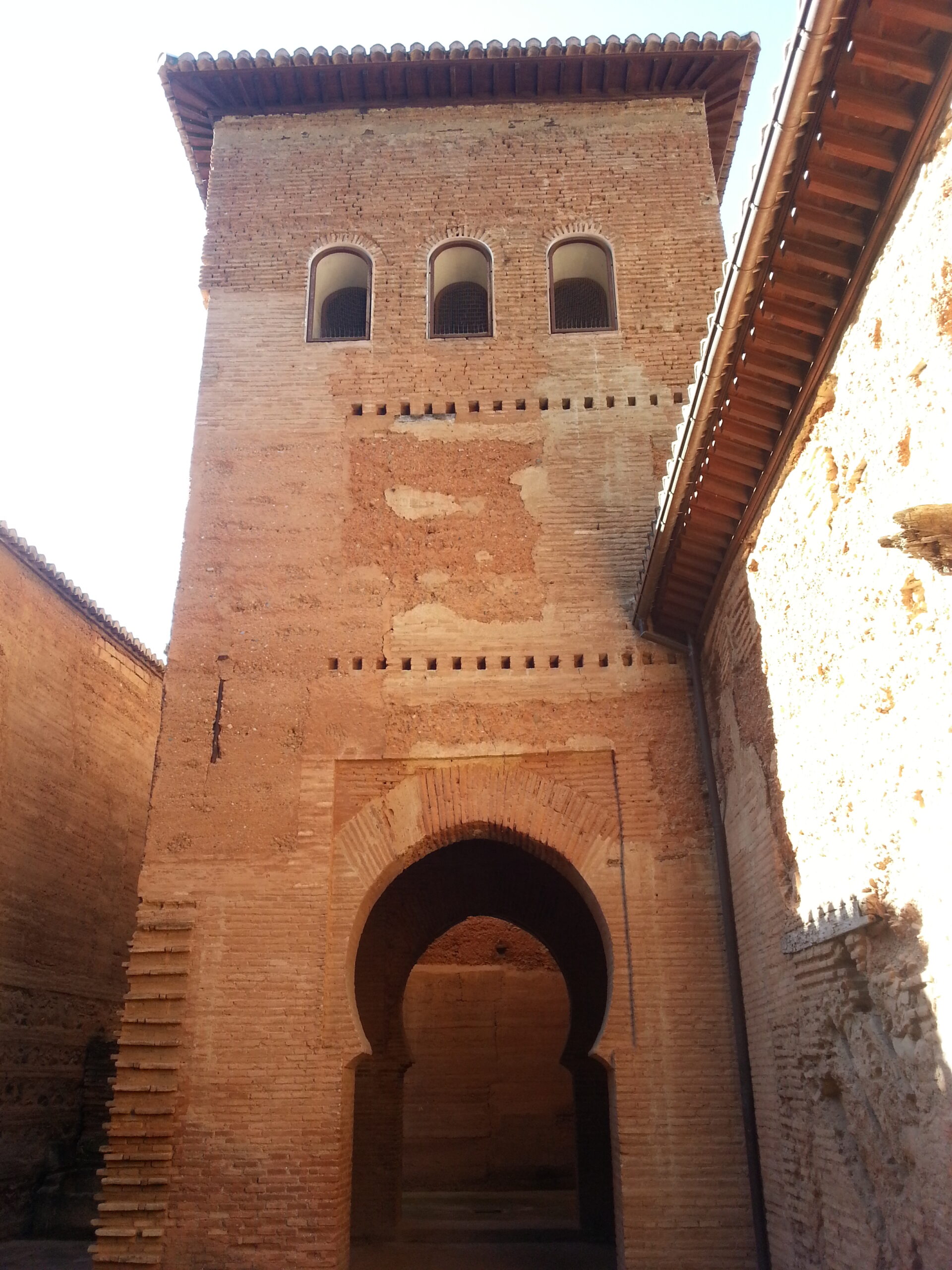
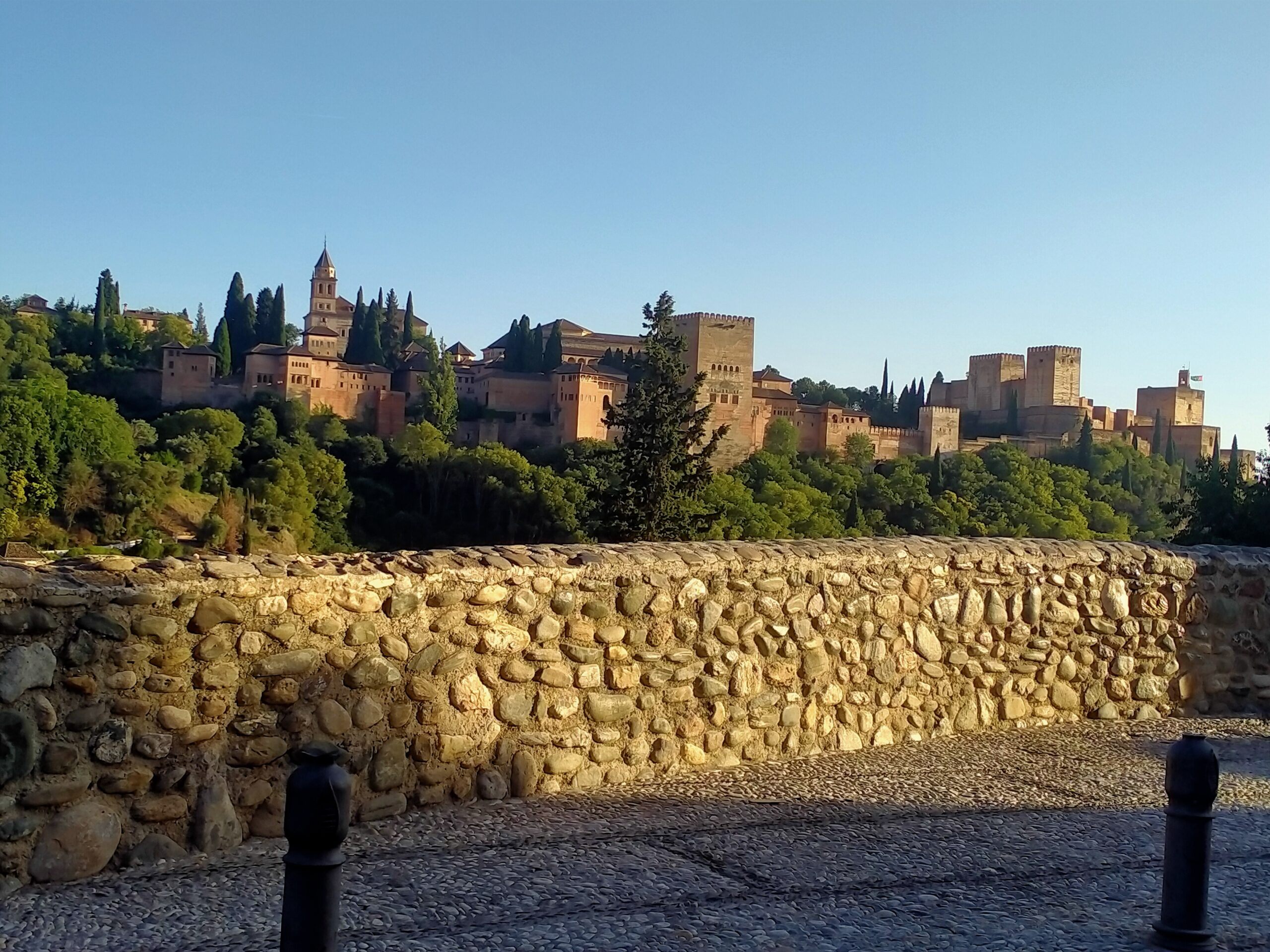
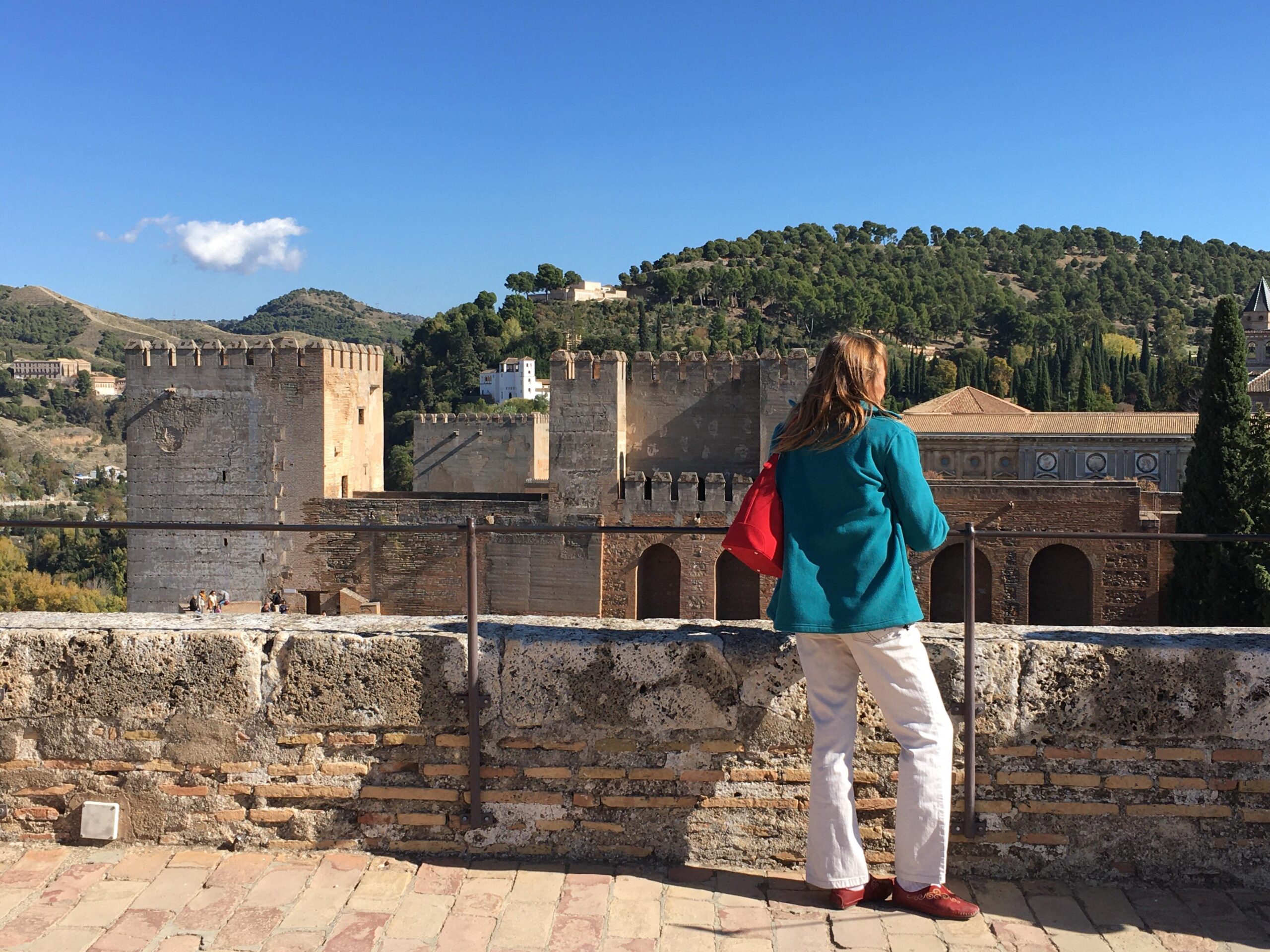
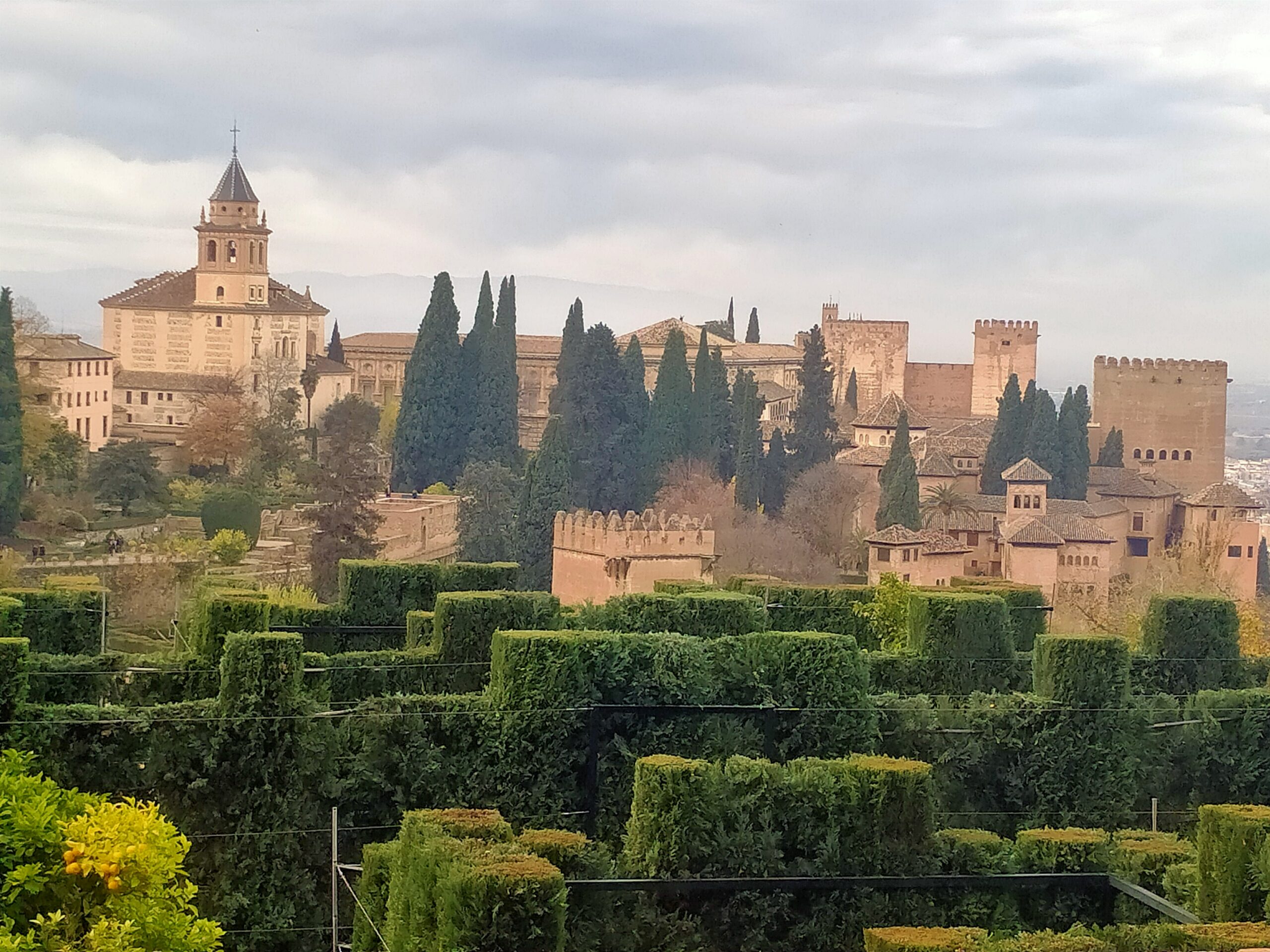
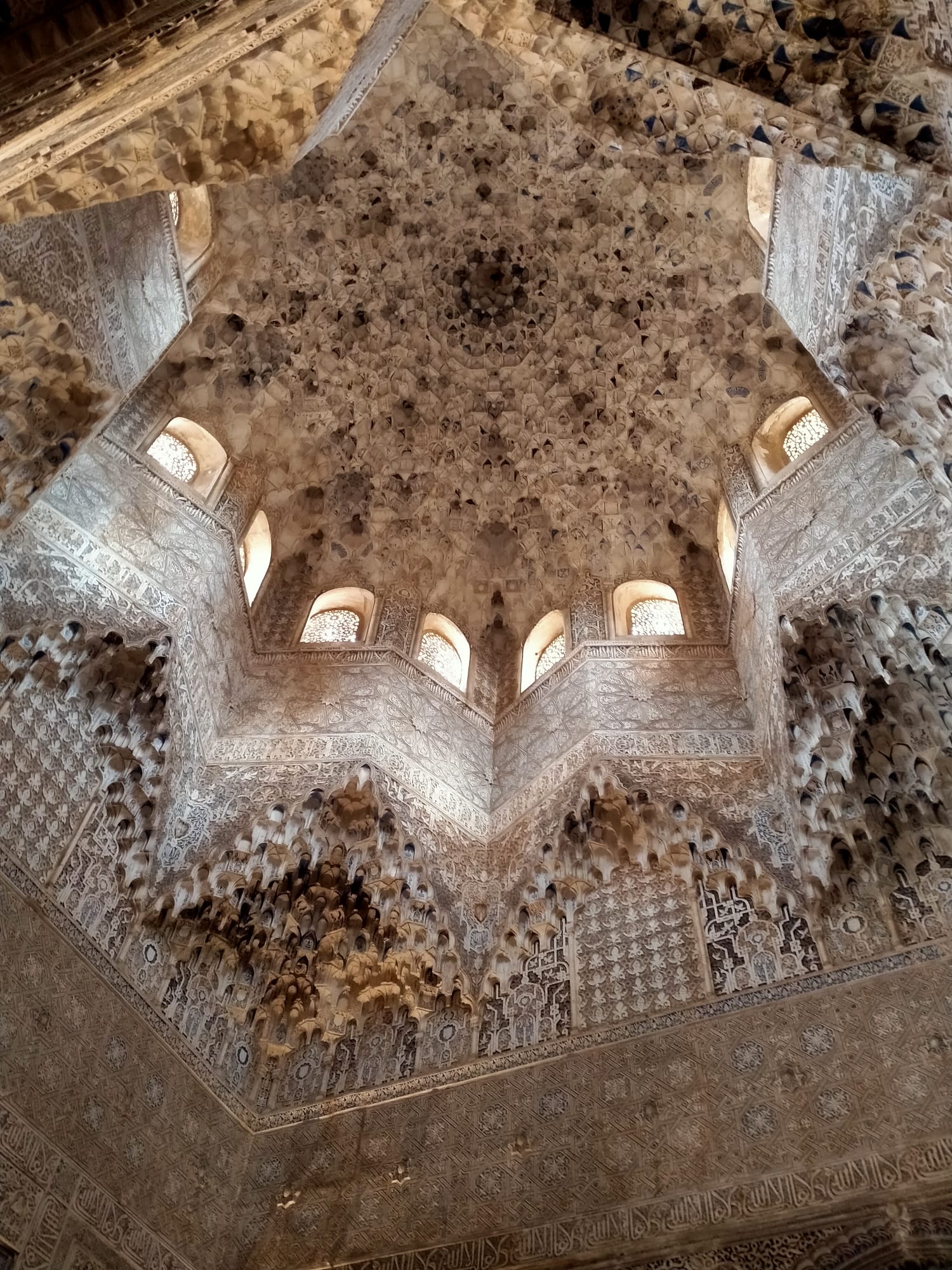
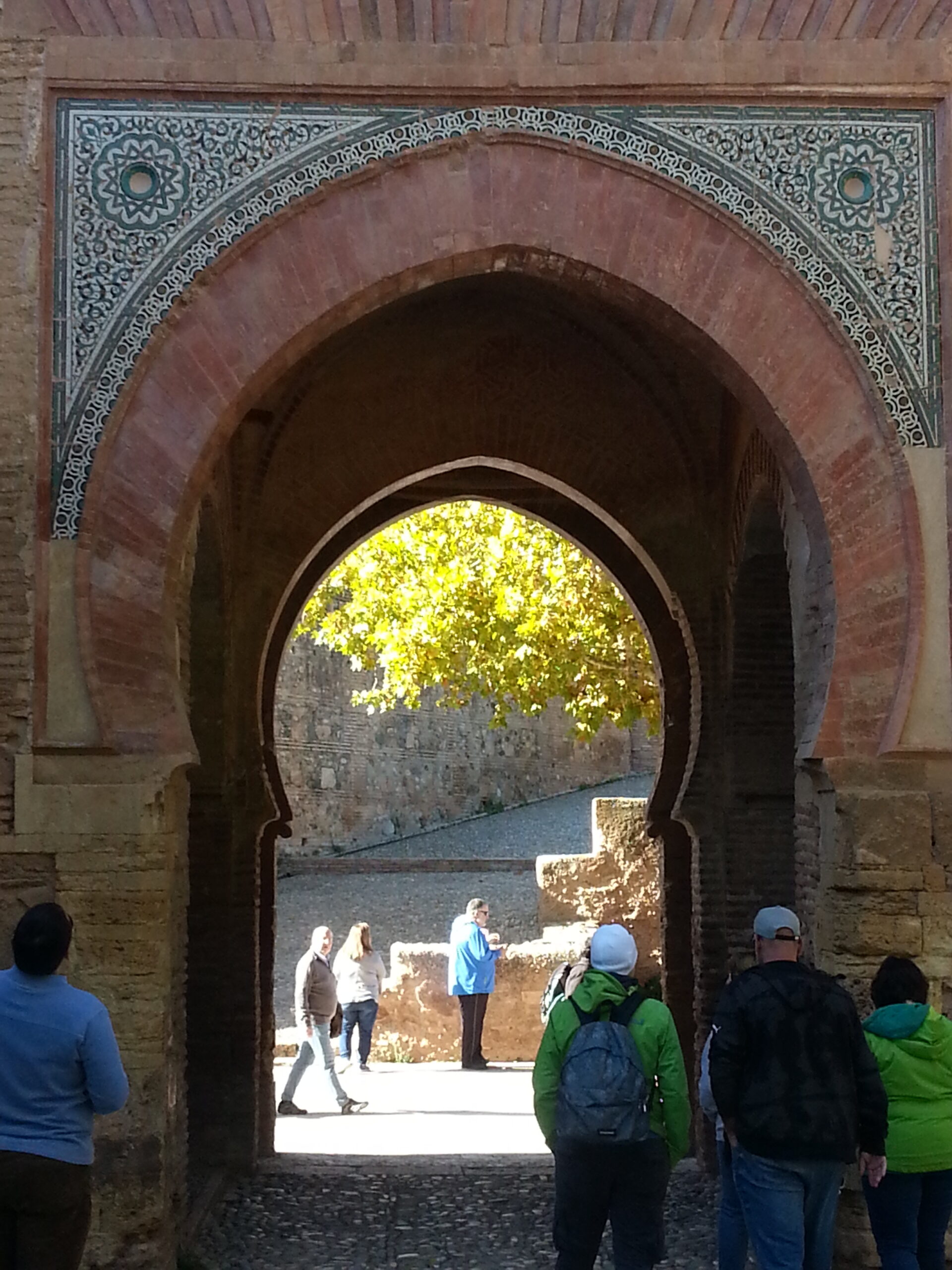
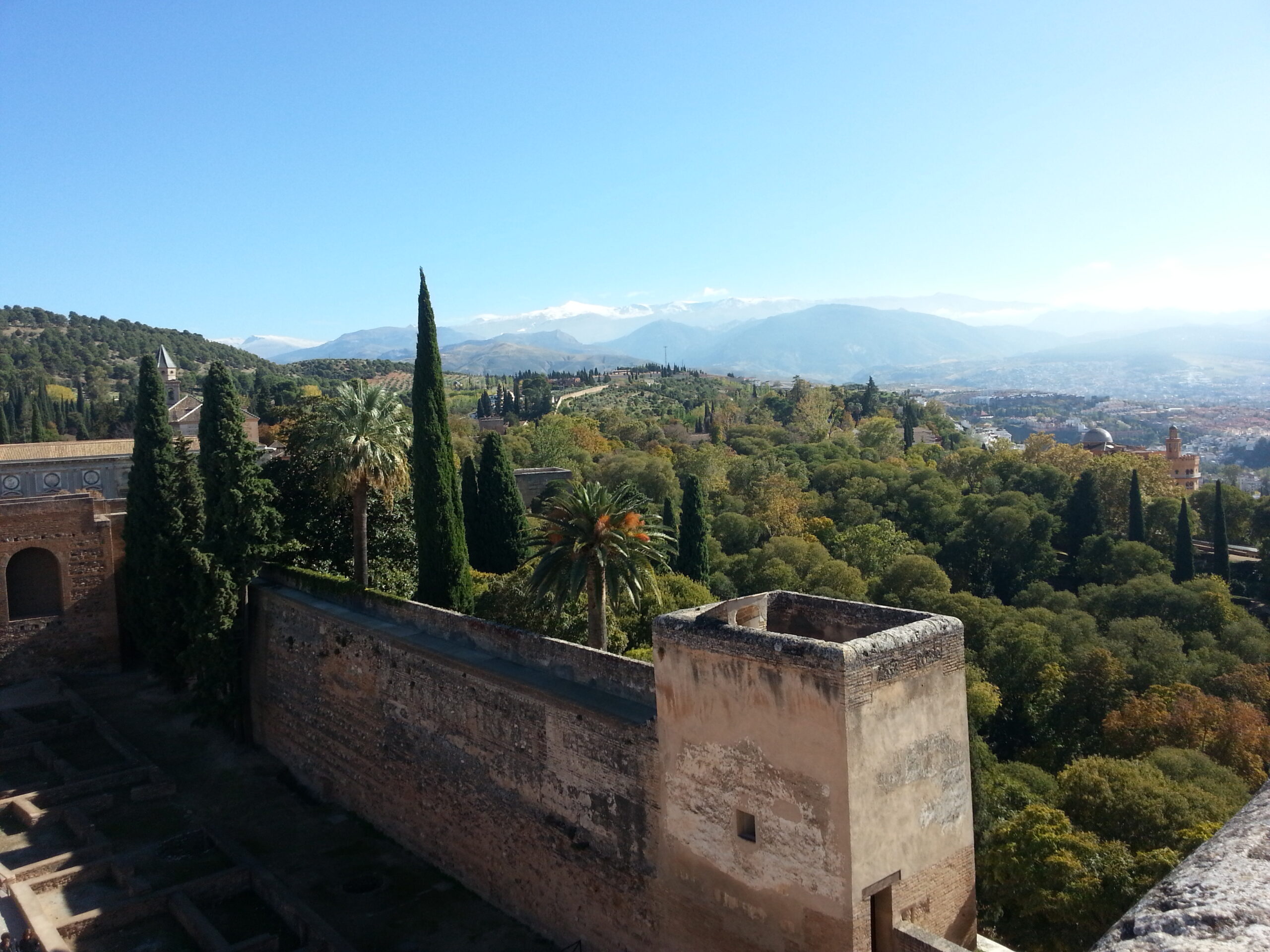
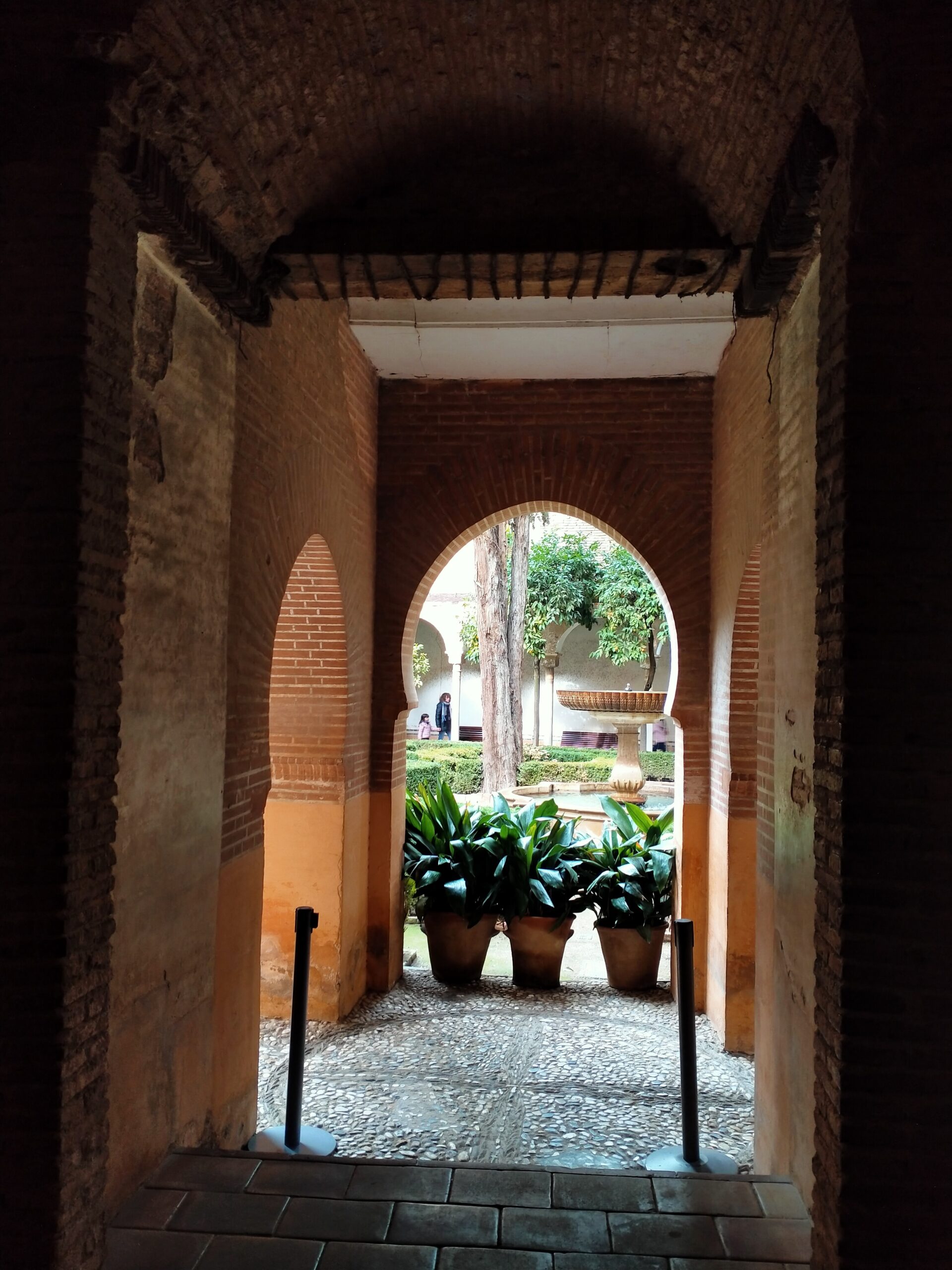
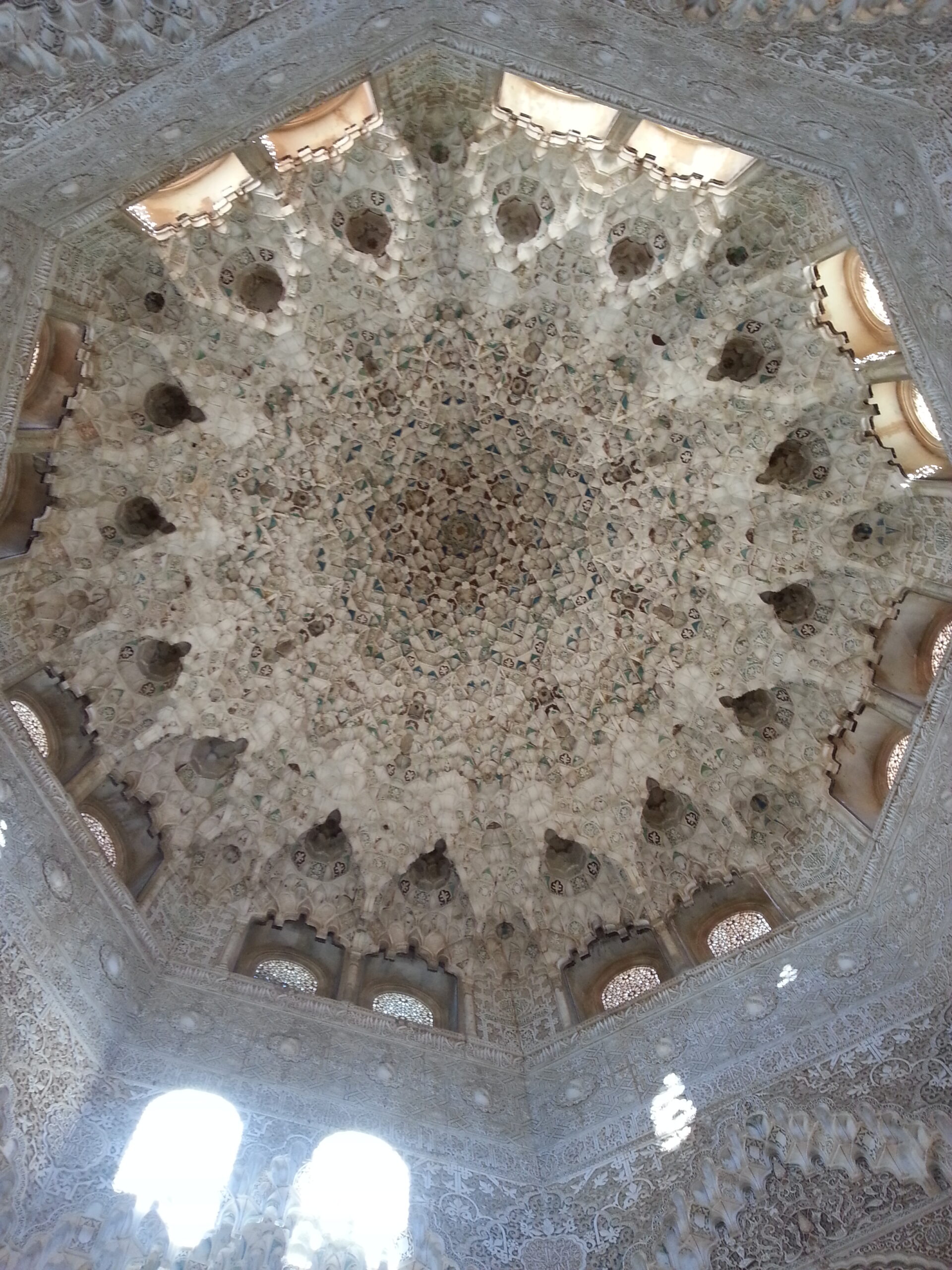
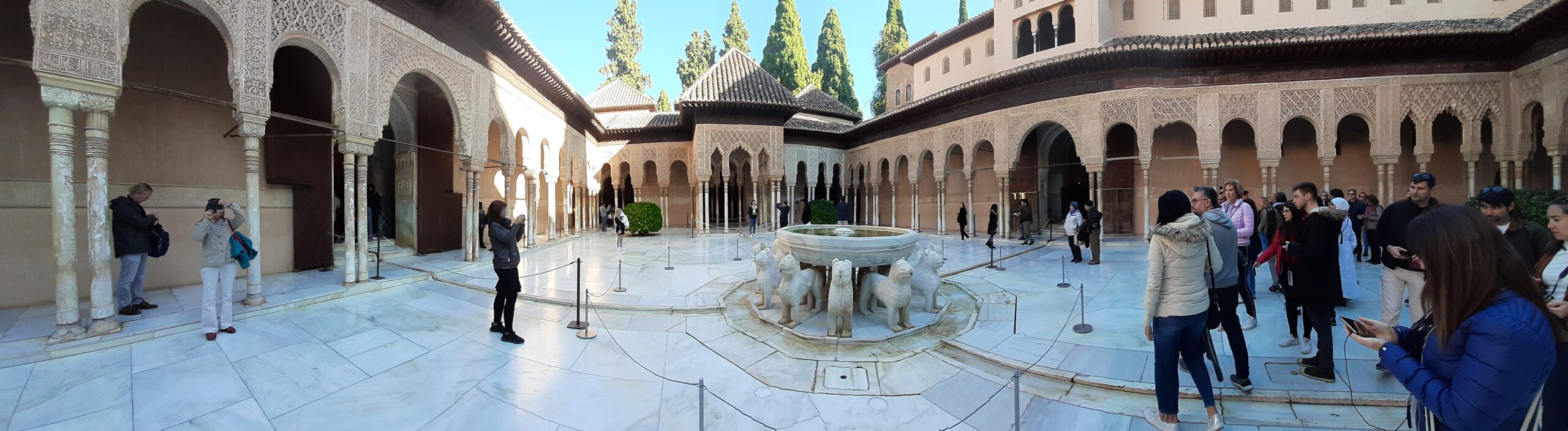
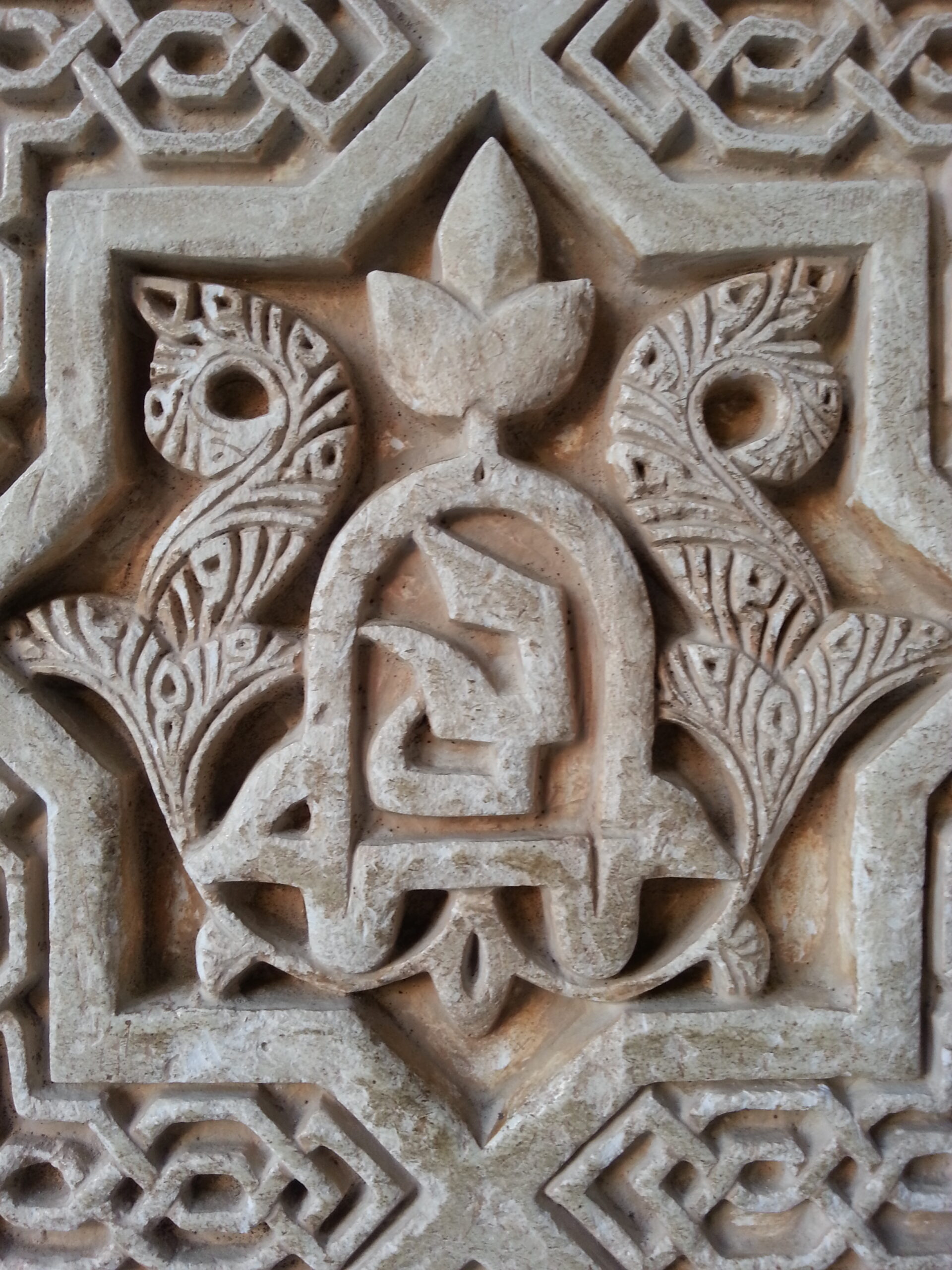
- Granada and Alhambra: a testimony to the splendour of Muslim period culture in Spain, flamenco center, a must-see during a holiday in Almuñecar.
- Cordoba: the largest city in the Mediterranean in the Muslim period with famous La Mezquita, a mosque converted into a cathedral, one of the most magnificent monuments of Islamic architecture in the world.
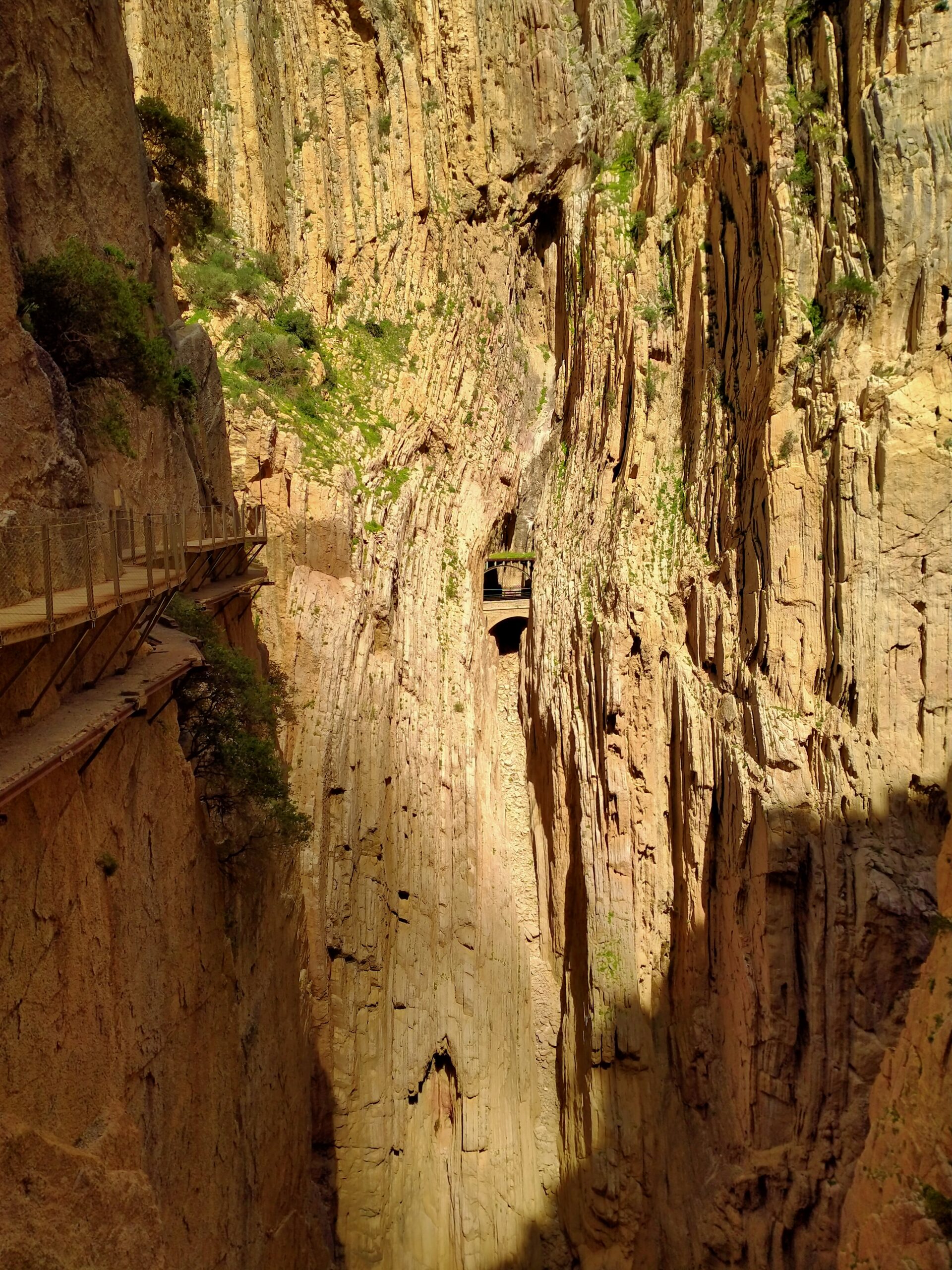
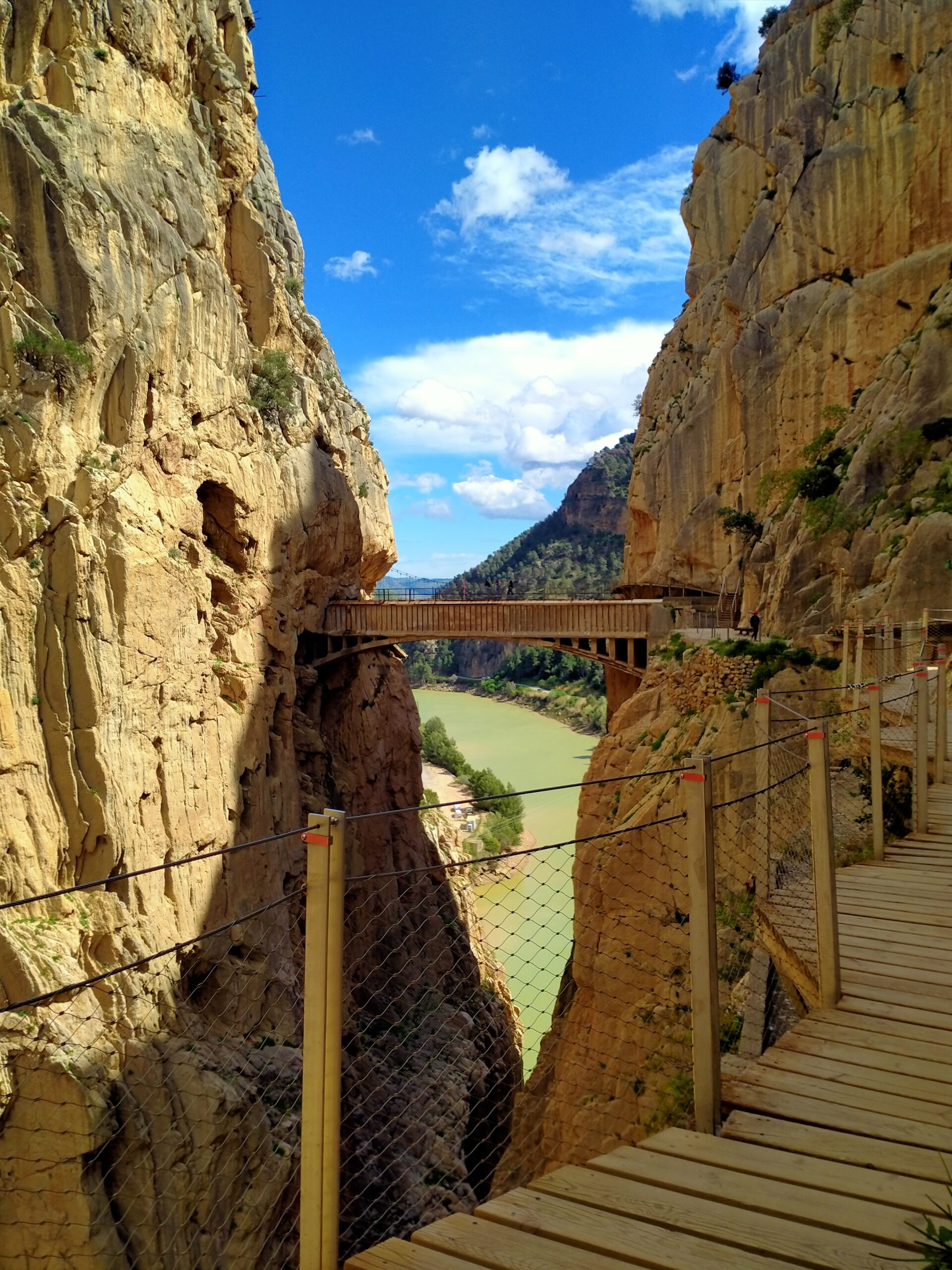
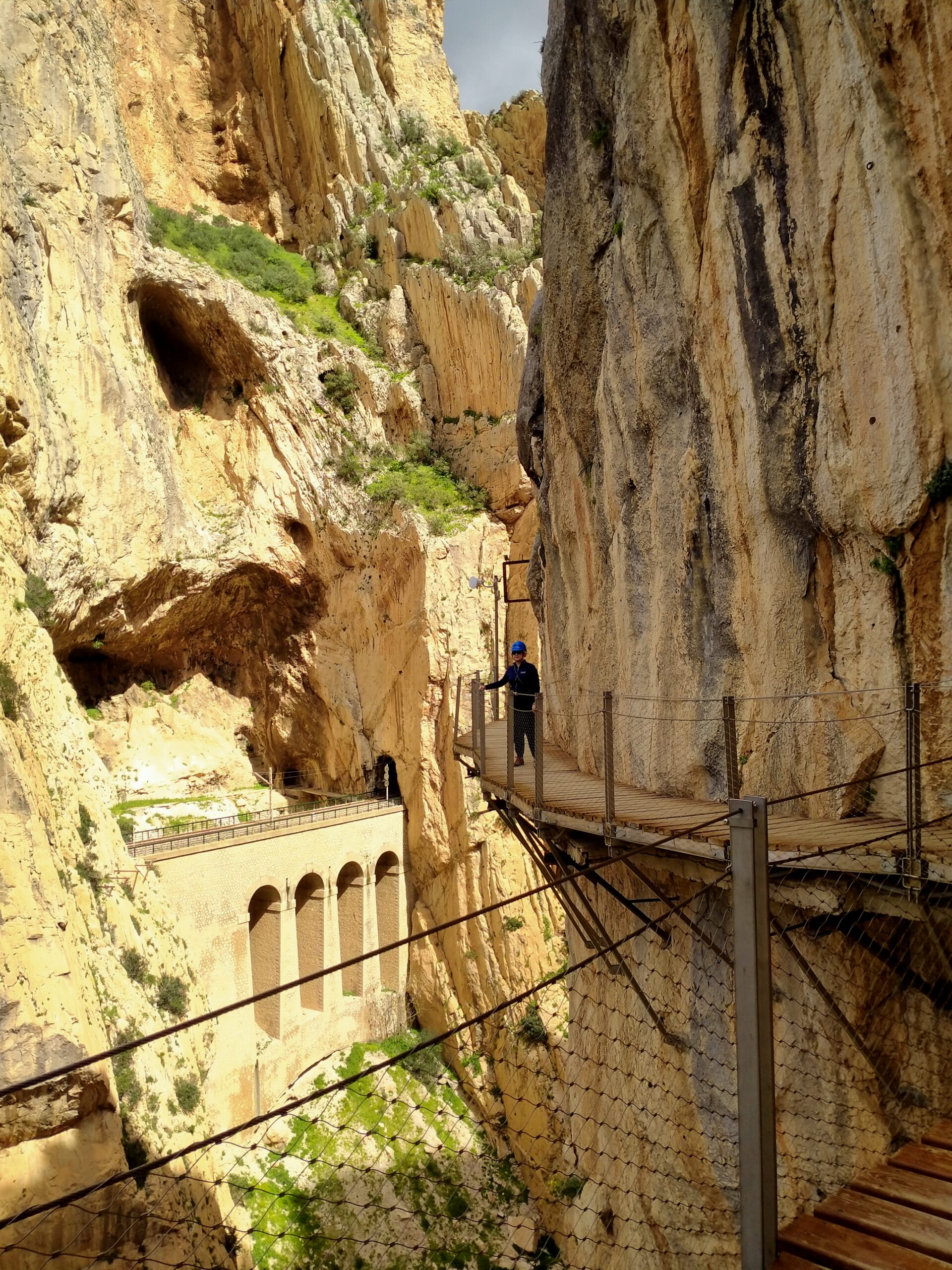
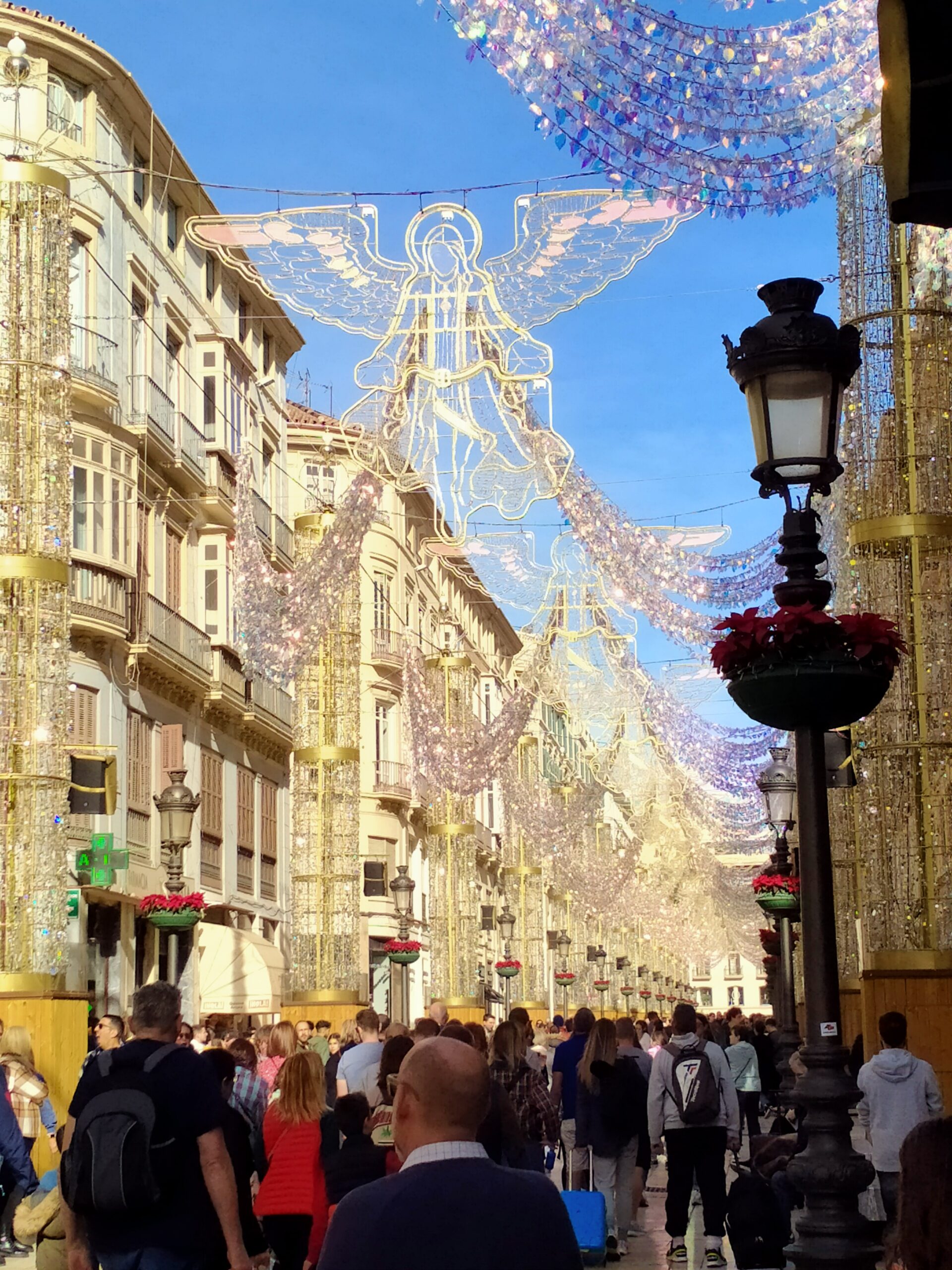
- Malaga: one of the most beautiful cities in Spain. The start point for the famous route Caminito de Rey and a ferry port from which you can easily make a trip to Morocco.
- Seville, the magnificent capital of Andalusia, famous for its numerous monuments: it’s a longer trip (3.5 hours by car) but definitely worth a visit if you have more time.